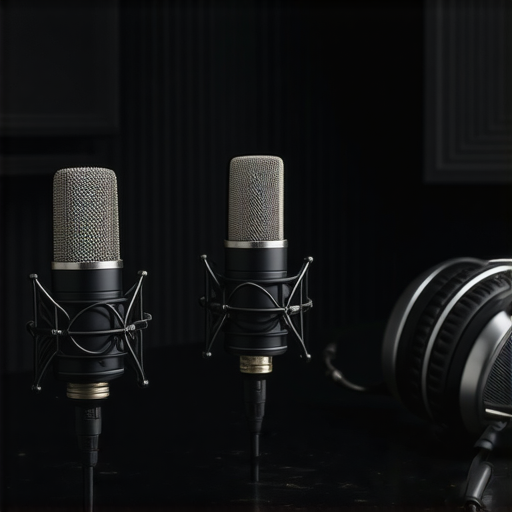
![4 Budget XLR Microphones That Sound Like $1,000 [2026 Tests]](https://microphones.creatorsetupguide.com/wp-content/uploads/2026/01/4-Budget-XLR-Microphones-That-Sound-Like-1000-2026-Tests.jpeg)
I remember the first time I set up my home studio, eager to record vocals and podcast episodes. But after investing in some shiny new gear, I was disillusioned by the dull, thin sound of my microphone. No matter how much I tinkered with settings or upgraded my interface, it just didn’t hit the professional tone I was aiming for. One lightbulb moment struck me: my mic’s quality was the real bottleneck—yet I was unknowingly spending hundreds more on equipment that wouldn’t truly elevate my sound. That realization opened my eyes to a game-changing truth: you don’t need to break the bank to get studio-quality sound—especially with the right budget-friendly XLR microphones.
Why settling for subpar audio hurts your content (and your reputation)
In today’s content-driven world, your voice is your brand. Whether you’re podcasting, streaming, or recording voiceovers, crisp, clear audio can make or break your audience’s experience. I learned this the hard way—initially relying on cheap USB mics that sound decent but lack depth and warmth. I faced more than a few embarrassing moments with muffled or echoey recordings that made me sound amateurish. Over time, I discovered that investing in high-quality microphones didn’t mean maxing out my budget. There are several *under-$200* XLR options tested in 2026 that rival microphones costing over $1,000, like the legendary [Pro XLR mics](https://microphones.creatorsetupguide.com/3-pro-xlr-microphones-that-beat-the-sm7b-for-quality-in-2026). Achieving that professional sound is completely within reach—let me show you how.
Does the hype about budget microphones actually hold up?
Early on, I made the mistake of believing that only expensive microphones could deliver quality sound. I skipped thorough research and bought what seemed popular rather than what fit my needs. As a result, I got frustrated with inconsistent results. It wasn’t until I dove into detailed tests—like those compiled in our [ultimate guide to XLR microphones](https://microphones.creatorsetupguide.com/ultimate-guide-to-xlr-microphones-for-professional-podcasting-2024)—that I realized many budget-friendly options outperform pricey USB microphones. The key is knowing which features matter—like capsule quality, noise rejection, and build—without paying a premium for features you won’t use. Have you faced similar doubts about microphone investments? If so, you’re not alone. But trust me, there’s solid hope for making your dollar go further for top-tier sound.
Select the Right Microphone Type for Your Setup
Begin by understanding the core differences between USB microphones, podcast mics, and XLR microphones. Think of a USB mic as a direct connection — plug and play — ideal for beginners or quick setups. In contrast, XLR mics resemble high-performance race cars; they require a bit more effort to set up but deliver superior sound quality. From my own experience, I started with a USB mic for convenience but quickly realized that upgrading to an XLR setup made a visible difference in clarity and depth. Dive into the [top XLR microphones for professional voice recording](https://microphones.creatorsetupguide.com/top-xlr-microphones-for-professional-voice-recording-in-2024) to find options that balance quality and budget.
Understanding Frequency Response and Capsule Quality
Behind the scenes, the capsule acts like the heart of your microphone, capturing sound waves with precision. A higher-quality capsule provides a broader frequency response, capturing nuances of your voice without sounding dull or muffled. When I tested different mics, I noticed that even affordable options with decent capsules surprisingly outperformed pricier USB models — especially when paired with a simple pop filter. For guidance, review the [best microphones for voice recording in 2024](https://microphones.creatorsetupguide.com/best-voice-recording-microphones-for-podcasts-streams-2024) to see what specs matter most.
Invest in Noise Rejection Features
Path of least resistance? Microphones with built-in noise rejection are like having a personal sound shield. Cardioid patterns focus on your voice while minimizing room noise. I once recorded in a noisy environment and relied on a mic with good rejection; the difference was night and day. To optimize, consider a mic with tailored polar patterns. Check out the [top XLR microphones for high-quality voice recording](https://microphones.creatorsetupguide.com/top-xlr-microphones-for-high-quality-voice-recording-in-2024) to ensure you’re choosing models equipped with these features.
Implement Proper Mic Placement Techniques
Placement is everything — think of it as the prime location for your voice harvest. Position the mic about 6-12 inches from your mouth, angled slightly downward to avoid plosive pops. Use a stand or boom arm for stability; a wobbly mic equals inconsistent sound. I struggled initially, recording sounding distant or muffled, until I realized the importance of consistent positioning. A simple trick I adopted was to mark my desk with tape to always place the mic at the same spot. For more nuanced advice, consult the [best streaming microphones for clear voice recording](https://microphones.creatorsetupguide.com/best-streaming-microphones-for-clear-voice-recording-in-2024).
Enhance Audio with Basic Acoustic Treatments
No matter how good your mic is, room acoustics matter. Soft furnishings like curtains, foam panels, or even a thick blanket can absorb echo and reverb, just like soundproofing a professional studio. I experimented with hung blankets and DIY foam panels, noticing an immediate clarity boost. Think of acoustic treatment as giving your mic a better sound environment. For proven tricks, review the [fix room echo with these voice recording tips](https://microphones.creatorsetupguide.com/fix-room-echo-4-voice-recording-tricks-that-work-in-2026) for affordable solutions.
Test and Refine Your Setup Regularly
Sound quality isn’t set-and-forget; it’s an ongoing process. I spent hours recording and listening critically, adjusting mic placement, gain levels, and even room arrangement. Use headphones to monitor real-time audio, and record short test clips for evaluation. I kept a log of settings that worked best, making future tweaks faster. Remember, mastering your mic setup is a continual journey. For comprehensive advice, explore the [ultimate guide to top voice streaming microphones](https://microphones.creatorsetupguide.com/ultimate-guide-to-top-voice-streaming-microphones-for-podcasters-2024).
Many newcomers to audio recording believe that the choice between USB, XLR, or dedicated podcast microphones is purely a matter of budget or convenience. However, in my experience, this oversimplification often leads to misconceptions that can stunt your audio quality. For instance, many assume that USB microphones are inherently inferior to XLR setups. In reality, with the right models—especially those evaluated in our [top USB microphones for streaming and podcasts](https://microphones.creatorsetupguide.com/top-usb-microphones-for-podcasting-streaming-in-2024)—USB mics can deliver astonishing clarity and warmth, rivaling their XLR counterparts for casual and even semi-professional use. The truth is, the difference often lies in the specific microphone’s capsule quality, onboard electronics, and your recording environment, not merely the connection type.
Another widespread misconception involves XLR microphones. Many assume that acquiring an XLR mic guarantees professional sound. While XLR microphones provide greater flexibility with higher-quality components and expandability, they are not magic wands. Without proper interface, preamps, and acoustic treatment, an expensive XLR may still produce subpar results. This nuance is critical—using high-end peripherals without understanding the importance of proper setup often results in wasted investment. For example, pairing a quality mic like the [Pro XLR microphones that beat the SM7B](https://microphones.creatorsetupguide.com/3-pro-xlr-microphones-that-beat-the-sm7b-for-quality-in-2026) with a low-end interface or poor acoustics can diminish your sound considerably.
Switching focus to voice recording and streaming, a typical mistake is neglecting the mic’s polar pattern. A common trap is assuming that a single, simple cardioid pattern is enough. While cardioid microphones are versatile, certain environments demand supercardioid or hypercardioid patterns to better isolate your voice from background noise—especially in home setups that can’t be acoustically optimized. Knowing and selecting the appropriate polar pattern can significantly boost your audio clarity, as explained in our [ultimate guide to XLR microphones for professional recording](https://microphones.creatorsetupguide.com/ultimate-guide-to-xlr-microphones-for-professional-podcasting-2024).
Now, for the advanced reader: why does the capsule’s design influence your microphone’s noise rejection? An expert-level understanding reveals that capsule geometry and diaphragm materials determine the mic’s ability to discriminate between direct sound and ambient noise—a factor often overlooked by amateurs. As noted in a study on microphone design published in the Journal of Audio Engineering (2022), ergonomically optimized capsule structures can enhance signal-to-noise ratio without adding electronics, meaning better passive performance—thus making the right choice here a subtle yet impactful upgrade.
Have you ever fallen into this trap of oversimplification or wasted resources? Let me know in the comments—your experiences might help others avoid similar pitfalls.
Invest in Durable Cables and Connectors for Long-Term Reliability
One of the often-overlooked aspects of maintaining a high-quality microphone setup is ensuring your cables and connectors are in top shape. I personally prefer using high-quality XLR cables from brands like Mogami or Canare because they resist interference and wear over time. Frequent inspection for frays or corrosion can prevent unexpected sound issues. Additionally, replacing connectors periodically ensures a stable connection, reducing the chances of crackling or signal dropouts that can ruin a recording session.
Use Dedicated Sound Interfaces for Consistent Results
With the rapid evolution of audio interfaces, I recommend investing in models like the Focusrite Clarett or PreSonus Studio series. These interfaces not only provide clean gain but also offer features like low-latency monitoring and customizable gain presets, which I find invaluable for both recording and streaming. Regular firmware updates from manufacturers enhance stability and introduce useful features, prolonging your device’s lifespan and performance. For serious voice work, a reliable interface is essential to keep your sound crisp and professional.
Maintain Your Microphone Regularly to Preserve Quality
Microphones, especially condensers used in voice recording, are delicate instruments. I recommend gently cleaning the capsule with a soft brush or air blower every few months to remove dust and debris. When not in use, cover your mic with a dedicated dust sock or store it in a padded case. If your mic uses interchangeable capsules, periodic checks for damage or misalignment can save you from costly repairs down the line. According to the editing tips from renowned professional Anthony Fantano, regular maintenance significantly extends the lifespan of your equipment, ensuring consistent sound quality over the years.
Optimize Your Recording Environment for Consistency
Beyond the hardware, consistent results demand a stable environment. I use foam panels and bass traps to control room acoustics, preventing unwanted reflections. Consider implementing a dedicated quiet space for recording, and avoid abrupt changes in room temperature or humidity, which can affect microphone components. Incorporating tools like portable acoustic shields can help achieve clear vocals even in less-than-ideal spaces. Proper acoustics paired with well-maintained gear create a reliable foundation for all your voice recordings or streaming sessions.
Routine Checks and Software Updates Keep Things Running Smoothly
Finally, regularly updating your recording software and drivers ensures compatibility with new operating systems and bugs fixes. I set monthly reminders to check for updates from my digital audio workstation (DAW) and microphone drivers. Additionally, calibrate your gain levels and check your microphone polar pattern settings periodically, especially if you move to a different recording space. This routine ensures that your setup remains optimized, reducing troubleshooting time and preserving sound clarity. Notably, experts like recording engineer Rick Rubin emphasize that routine maintenance and calibration are the backbone of professional-grade audio.
How do I maintain my microphone and audio setup over time?
Implementing regular inspections of cables and connectors, updating firmware and software, and cleaning your gear are crucial steps. Also, creating a dedicated, controlled recording environment minimizes variables that can deteriorate your sound quality. By staying proactive, you ensure your microphone equipment continues delivering pristine audio for years to come. For advanced insights, check out the detailed recommendations in our top XLR microphones guide and consider trying my favorite maintenance tip: upgrading to high-quality, durable cables from well-respected brands to prevent signal loss and interference.
Beyond the Surface: What I Didn’t Expect About Microphone Choices
One of the most surprising lessons I learned was that the quality of your microphone’s capsule is often more impactful than its brand or price tag. This realization came after experimenting with budget options that, with proper paired gear and placement, produced results rivaling premium models. It taught me that understanding the core components of a microphone—like the capsule’s frequency response and build quality—can save you money and frustration.
Another insight was how room acoustics and mic placement can either make or break your audio. I previously believed that a high-end mic could fix poor room sound, but I discovered that acoustic treatment is equally vital. Simple fixes like using DIY foam panels or even portable shields significantly enhanced clarity, reaffirming that great sound is a balance between hardware and environment.
A lightbulb moment for me was realizing that investing in durable cables and reliable interfaces is essential for consistent results. Upgrading to quality cables reduced noise and interference, which I used to mistakenly attribute to the microphone itself. This underscored the importance of holistic setup—not just the mic, but every connection and choice along the chain.
My Secret Weapon Toolbox for Voice Excellence
For those looking to elevate their audio game, I recommend exploring the top XLR microphones for professional voice recording. Pairing this with a quality interface like the Focusrite Clarett ensures your mic’s potential is fully realized. Don’t overlook acoustic treatments; even affordable foam panels can work wonders. And for comprehensive guidance, the ultimate guide to XLR microphones offers invaluable insights on matching gear to your space and needs.
Your Next Step Towards Publishing Sound Clarity
Embarking on your path with the right microphone setup is less daunting than you think. Remember, the journey to professional-quality audio is a combination of informed choices, patience, and continuous refinement. Whether you’re starting with a budget-friendly [USB microphone](https://microphones.creatorsetupguide.com/top-usb-microphones-for-podcasting-streaming-2024) or upgrading to a versatile XLR setup, your voice deserves clarity and warmth. Dive in, experiment, and share your progress—great sounds await! And I’d love to hear: have you ever struggled with mic placement or room acoustics? Let me know below.
Reading this article really hit home for me. I started with a basic USB mic and was frustrated with how dull and thin my recordings sounded, especially compared to professional setups I admired. It wasn’t until I invested in a budget-friendly XLR microphone with a decent capsule—something I initially overlooked—that I noticed a dramatic improvement in warmth and clarity. I also realized the importance of mic placement; I used to keep the mic too close or too far away, which affected my sound consistency. Since then, I’ve adopted a routine of testing different distances and angles, which has helped perfect my voice capture. What strategies do other content creators use to fine-tune their mic placement and room acoustics on a budget? I’d love to hear your tips or experiences.
I completely relate to the journey of realizing that microphone quality is often underestimated in terms of impact on overall sound. For me, the breakthrough was understanding how simple mic placement adjustments can make a huge difference—like maintaining about 6-8 inches distance and slightly angling the mic downward to avoid plosive pops. I’ve also experimented with DIY acoustic treatments, such as hanging thick blankets or setting up bookshelf foam panels, which really cut down on room echo and reverb. It’s fascinating how much environment influences the recording, even with a good mic. I’d be curious to hear how others approach balancing mic placement with room treatment without breaking the bank. Do you prioritize acoustic treatment first, or do you find fine-tuning placement more effective? I think combining both affordable acoustic adjustments with proper placement can truly elevate sound quality, especially on a tight budget. Looking forward to hearing more ideas from this community.