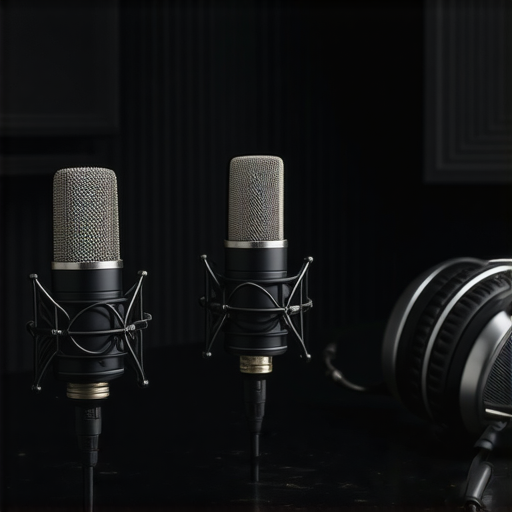
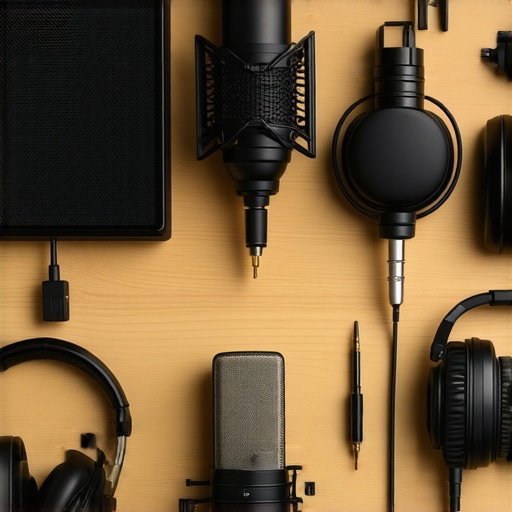
I remember the exact moment I realized my microphone was holding me back. I was mid-recording, voice booming into my cheap USB mic, when suddenly the audio crackled and distorted. Frustration crept in. It wasn’t just a bad day; it was a wake-up call. I had spent hours setting up my studio, but overlooked one crucial piece—the microphone. That lightbulb moment led me down a path of discovery, and honestly, it transformed my entire approach to podcasting and streaming.
So, if you’ve ever felt like your voice sounds more like a robot than a human, or if your viewers complain about poor audio quality, you’re not alone. The right microphone can make or break your content in 2024. Today, I’m here to help you cut through the noise—literally—and find the best options tailored for your needs. Whether you’re just starting or looking to upgrade, I’ll guide you through the top picks, the common pitfalls, and what to look for in your next microphone. Trust me, once you switch to a quality mic, your audience will notice the difference—and so will you.
Why Picking the Right Microphone Matters More Than Ever
In 2024, good audio isn’t just a luxury; it’s an expectation. According to a survey by Creator Setup Guide, nearly 70% of viewers will tune out if the audio quality drops below a certain threshold. That’s a huge chunk of potential fans lost because of something as fixable as your mic choice.
Yet, many creators still rely on entry-level gear or worse, neglect audio altogether. I’ve seen countless new streamers invest hundreds in cameras and lighting, but skimp on their microphone. My early mistake was exactly that. I thought a decent headset mic would do the trick. Big mistake. The difference a dedicated microphone makes is staggering. It’s like upgrading from a bicycle to a sports car—suddenly, everything feels faster, smoother, more professional.
If you’re tired of your voice sounding distant, muffled, or just plain bad, don’t worry. The solution isn’t as complicated as you might think. Today’s market offers a range of options, from beginner-friendly USB mics to high-end XLR setups for professional-grade audio. The key is understanding what fits your budget and goals. Ready to find out which microphone will elevate your content and make your voice truly shine? Let’s dive in.
Is Your Microphone Choice Actually Worth the Hype?
One mistake I made early on was chasing after the most popular or expensive gear without considering my specific needs. I bought a fancy condenser mic because everyone said it was the best, but it picked up every room noise and gave me a headache trying to tame it. The truth? Not every microphone is suitable for every environment or use case. That’s why I always recommend doing your homework before pulling out your wallet.
In this guide, I’ll share insights based on real experience and expert opinions to help you avoid my pitfalls. Whether you want clear, professional sound or just want your voice heard without stressing over technical details, I’ve got you covered. Ready to make your audio as compelling as your content? Great. Let’s get started with understanding the different types of microphones and which ones are best for your setup.
Select the Right Microphone for Your Environment
Before diving into specific models, assess your space. If you record in a noisy or echo-prone room, a dynamic microphone can be your best friend because it picks up less ambient noise. Conversely, if your space is quiet and well-treated, a condenser microphone will deliver richer, more detailed sound. I once set up a basic condenser mic in a room with lots of echo, which resulted in muffled, distant audio. After switching to a dynamic mic and adding some soundproofing, my voice became crisp and professional. Check out this guide to understand the different microphone types and their ideal environments.
Decide Between USB and XLR Mics Based on Your Needs
USB microphones are like plug-and-play tools—perfect for beginners or those who want quick setup without extra gear. They connect directly to your computer and are generally more affordable. I started with a popular USB mic, which was super convenient but limited in upgrade options. On the other hand, XLR microphones require an audio interface but offer superior sound quality and flexibility. If you’re aiming for a professional studio setup, investing in an XLR mic is the way to go. Explore the best USB & XLR options for 2024 to find what fits your budget and goals.
Upgrade Your Audio Interface for Better Sound
If you choose an XLR microphone, pairing it with a quality audio interface is crucial. Think of it as the engine that powers your microphone’s sound. A good interface ensures clean, noise-free audio and provides controls like gain adjustment. I initially used a basic interface, but after upgrading to a mid-range model, my recordings sounded clearer and more balanced. Make sure your interface has enough inputs for future expansion and features like phantom power if you go with condenser mics. For expert recommendations, see this guide.
Optimize Your Microphone Placement and Settings
Proper placement is key. Keep the mic about 6-12 inches from your mouth, slightly off-axis to reduce plosives and sibilance. Use a pop filter to minimize harsh sounds and a shock mount to reduce vibrations. I learned this the hard way when my desk vibrations caused unwanted noise in my recordings. Test your gain settings to avoid clipping or too low volume. Record a few test clips, listen critically, and adjust accordingly. Remember, small tweaks can make a big difference in your overall sound quality.
Use Software Tools to Enhance Your Sound
Leverage audio editing and enhancement software to polish your recordings. Noise reduction plugins, equalizers, and compressors can help you achieve a professional sound. During a live stream, I use real-time filters to minimize background noise. Post-production, I apply gentle EQ to highlight my voice and remove any residual hum. For comprehensive advice on software tools, check this article.
Test and Adjust Regularly
Your setup isn’t a set-and-forget system. Regularly test your microphone, listen critically, and tweak your positioning, gain, and software settings. When I first started, I recorded daily, which helped me identify what worked and what didn’t. Over time, you’ll develop an intuitive feel for your ideal sound. Keep a checklist for setup, and don’t be afraid to experiment until your audio sounds just right.
Many creators fall into the trap of believing that more expensive or popular microphones automatically guarantee superior sound quality. While it’s true that high-end gear can offer advantages, the real nuance lies in understanding your environment, use case, and how to optimize your setup. For example, a common myth is that condenser microphones are always better than dynamic ones. In reality, if you record in a noisy or echo-prone room, a dynamic mic might actually serve you better because it minimizes ambient noise. This misconception can lead beginners to invest in the wrong type of microphone, wasting money and time. Check out this guide to understand the best microphone types for your environment.
Another hidden nuance is the importance of microphone placement and room treatment, which many overlook. A shiny, new mic can’t compensate for poor placement or a reflective space. For example, placing your mic too close or too far from your mouth can drastically affect your sound, causing issues like plosives or muffled audio. Soundproofing and acoustic treatment are often underestimated, yet they can dramatically improve your clarity. Many creators assume they need a fancy mic to sound professional, but in reality, proper placement and room treatment often yield better results at a lower cost. Learn more about optimizing your space.
Why Do Some Microphones Sound Worse in Certain Environments?
This is a common question among advanced users. The answer often comes down to the microphone’s polar pattern and the acoustic environment. For instance, a cardioid mic is designed to pick up sound mainly from the front, but if your room has a lot of reflective surfaces, it can still pick up unwanted echoes. Conversely, a supercardioid or hypercardioid pattern can reject more background noise, but only if positioned correctly. Experts like Bob Katz emphasize that understanding your microphone’s polar pattern and your room’s acoustics is crucial for achieving professional sound. Ignoring this can lead to a false sense of security—thinking that simply buying a better mic will fix everything. Instead, mastering placement and environment is key. Discover the best mic patterns for your space.
Finally, many creators get caught up in hype around certain brands or models, assuming they are the ultimate solution. The truth is that the best microphone for you is one that matches your specific needs, environment, and budget. For instance, a professional podcaster might prefer a high-quality XLR setup, while a beginner might find a premium USB mic perfectly adequate. Investing in a good audio interface and soundproofing can often provide more noticeable improvements than upgrading to a more expensive microphone. Don’t fall for the trap of believing that gear alone makes you sound better—tech is only part of the equation. Focus on your environment, placement, and software optimization for real results. Explore how to get the most out of your gear.
Maintaining your microphone setup is crucial for ensuring consistent, high-quality audio over time. From hardware care to software updates, staying on top of these elements can prevent frustrating issues and prolong the lifespan of your gear. As someone who relies heavily on my microphone for podcasting and streaming, I can attest that a little regular maintenance goes a long way in preserving sound clarity and performance.
First, regularly clean your microphone. Dust, saliva, and skin oils can accumulate and degrade the performance. Use a soft, lint-free cloth and a gentle cleaning solution—avoid harsh chemicals that might damage sensitive components. For XLR mics, paying attention to the connection ports and ensuring they are free of dust and corrosion is essential. I personally use compressed air cans periodically to blow out dust from the connectors, which keeps my connections stable and noise-free.
Second, check your cables and connectors. Over time, cables can develop internal wear or loose connections, leading to crackling or signal loss. I make it a habit to inspect my XLR and USB cables before each recording session. If I notice any fraying or damage, I replace them immediately. Reliable cables are a small investment that can save you hours of troubleshooting down the line.
Third, keep your firmware and software up to date. Many microphones and audio interfaces have firmware that can be upgraded to improve stability and features. I subscribe to manufacturer newsletters and regularly check their websites for updates. For software, I use dedicated audio processing tools like software tools that help optimize my recordings, apply necessary noise reduction, and keep everything compatible with my operating system.
Additionally, consider your environment. Regularly review your room’s acoustic treatment—adding foam panels or bass traps if necessary—and ensure your microphone placement remains optimal. Over time, shifting furniture or new equipment can subtly alter your sound setup, so periodic re-evaluation is wise. I also recommend using a pop filter and shock mount consistently, as they protect your mic from physical damage and unwanted vibrations, maintaining sound quality.
In terms of future trends, I predict that smart microphone monitors and AI-powered maintenance tools will become more prevalent. These innovations could automatically alert you to hardware issues or suggest optimal positioning based on your environment, making upkeep even easier. For now, sticking to regular physical checks and software updates is your best bet for reliable performance.
Finally, I encourage you to adopt a routine for checking your setup before recordings. A quick test of your microphone levels, audio quality, and connections can prevent major issues later. Try implementing a weekly check-in, especially if you record frequently. Small, consistent maintenance tasks will keep your audio crisp and professional, saving you time and frustration. Remember, your setup is an investment—treat it with care, and it will reward you with years of clear, reliable sound.
Lessons That Changed How I Approach Microphone Setup
- One of the biggest realizations was that even the most expensive mic can sound terrible if placed incorrectly or if the environment isn’t treated. I used to think gear alone made the difference, but I learned that room acoustics and placement are equally, if not more, critical.
- Another lesson: don’t chase the hype around flagship brands without considering your specific needs. I wasted money on high-end condensers before discovering that a dynamic mic worked better in my noisy room, saving me both time and cash.
- Finally, I underestimated the importance of regular maintenance. Cleaning cables, updating firmware, and re-evaluating your setup periodically keeps your audio consistently professional without requiring constant upgrades.
My Top Picks for 2024 Microphone Tools and Resources
- Microphones Creator Setup Guide: This site offers comprehensive reviews and real-world advice. It’s where I found the best balance between quality and budget, especially with their insights on USB vs. XLR mics. Check out this guide.
- Ultimate Microphone Type Guide: Understanding polar patterns and environment compatibility saved me from costly mistakes. It’s a must-read for anyone serious about sound quality. Find it here: this resource.
- Audio Interface Recommendations: Upgrading my interface significantly improved my recordings. I trust these options for quality and future-proofing.
Your Next Step in Elevating Your Audio
Don’t let subpar sound hold back your content in 2024. Your voice deserves to be heard clearly and professionally, and with the right tools and knowledge, it’s within reach. Experiment, learn, and invest in your setup—your audience will thank you for it. Remember, the best microphone is the one that fits your environment and goals. Ready to take your audio to the next level? Dive into the resources, test your setup, and get recording with confidence.