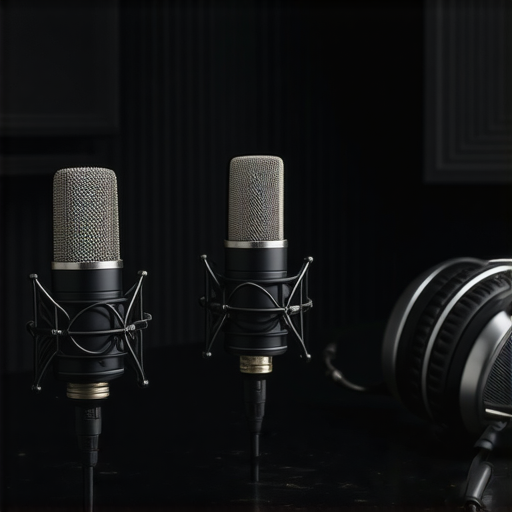
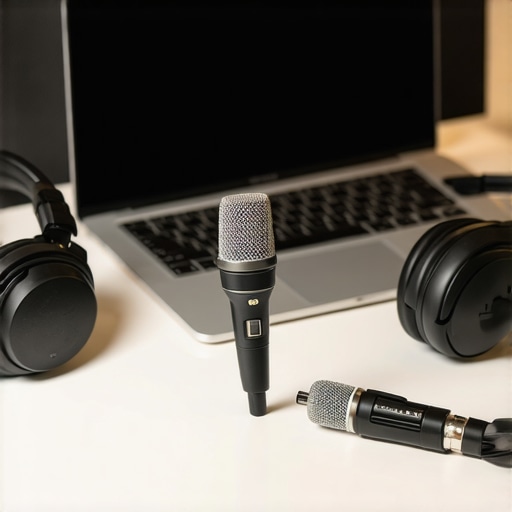
Ever had that sinking feeling when you hit record and realize your microphone isn’t up to the task? I remember the first time I tried to start a podcast, only to be blasted by a tinny, echoey mess of sound that made me want to hit delete immediately. It was frustrating and honestly a bit embarrassing, especially when I knew I had something worth sharing but couldn’t get my voice to sound right. That lightbulb moment made me realize how crucial a good microphone is — not just for sounding professional but for actually being heard clearly in a sea of content creators.
Why Choosing the Right Microphone Matters More Than Ever
In 2024, the audio quality of your podcast or stream can make or break your audience’s experience. Thanks to advancements in technology, there are now more microphone options than ever — from simple USB mics that plug directly into your computer to high-end XLR setups that require a bit more investment but deliver studio-level clarity. The difference between a mediocre mic and a top-tier one is staggering; listeners can tell when your voice is crisp, warm, and professional versus muffled and distant. According to a recent industry report, clear audio significantly boosts listener engagement and retention, which is why getting it right is worth every penny.
If you’re like I was, overwhelmed by the choices or worried about wasting money on a “bad” mic, I get it. I’ve made my fair share of mistakes, like buying cheap microphones that sounded okay at first but quickly revealed their limitations. I learned that understanding the key differences — like whether a microphone uses USB or XLR, or what features truly matter — can save you time, money, and frustration. That’s exactly what I’ll help you with today, guiding you through the best options for 2024, so you can focus on creating content that sounds as good as it looks.
Is It Really Worth Investing in a High-Quality Microphone?
Many skeptics ask whether splurging on a professional-grade microphone is justified, especially if you’re just starting out. Well, I’ll be honest — I used to think I could get by with a cheap mic, but once I upgraded, the difference was night and day. Crisp, clear recordings not only boost your credibility but also make editing easier because you don’t have to spend hours fixing audio issues. Plus, a good microphone can actually inspire you to produce better content, knowing you sound great. If you’ve ever experienced the frustration of re-recording because your sound quality wasn’t up to par, you’ll understand why I firmly believe investing in your sound is one of the best decisions you can make.
If you’re still unsure whether your current setup is holding you back, check out some of the top picks for 2024, like the best XLR and USB microphones designed for podcasters and streamers. Whether you’re aiming for a professional studio sound or just want your voice to be heard clearly, there’s a perfect microphone out there for you.
Ready to stop guessing and start sounding great? Let’s dive into how you can choose the right microphone for your needs, budget, and goals in 2024. Your audience will thank you!
Determine Your Primary Use and Setup
Start by clarifying whether you’ll be recording in a controlled environment or streaming live. This decision influences your microphone choice. For example, if you record in a quiet home studio, a high-quality USB mic like the top USB microphone can be perfect. Conversely, if you’re streaming with a setup that includes professional audio equipment, an XLR microphone offers superior sound quality and flexibility.
Compare USB and XLR Microphones Based on Your Needs
USB Microphones
Think of USB mics as the all-in-one package — plug-and-play simplicity. They connect directly to your computer, making setup quick and easy. During a project, I once used a top USB microphone for streaming and was amazed at how clear my voice sounded without fussing over extra equipment. They are ideal for beginners or those limited on space.
XLR Microphones
XLR mics are like professional sports cars — they require more setup but deliver better performance. They connect via a dedicated audio interface, which allows for higher-quality preamps and better control over your sound. I once upgraded to an XLR setup for streaming and noticed a significant boost in audio warmth and clarity — the difference was night and day.
Match Microphone Features to Your Environment
Room acoustics matter. If your space has echo or background noise, consider microphones with built-in noise suppression or directional patterns. For instance, a cardioid microphone focuses on your voice and rejects side noise, making it ideal for noisy environments. During my last setup, I swapped to a microphone with cardioid pattern, which drastically improved my recordings.
Set a Realistic Budget and Prioritize Key Features
High-end microphones like the premium XLR mics can cost hundreds, but for most creators, mid-range options like the best budget-friendly USB microphones deliver excellent quality without breaking the bank. Focus on features like frequency response, noise cancellation, and durability to make an informed choice.
Test and Iterate to Find Your Perfect Fit
After selecting a microphone, spend time testing it in your actual recording environment. Adjust positioning, gain levels, and settings. I once set up a mic too close and caused distortion, but after a quick readjustment, my sound was crisp. Remember, fine-tuning your setup is key to professional-sounding recordings.
Many aspiring creators fall into misconceptions about microphone setups that can significantly impact their audio quality. Let’s dig deeper into what most people get wrong and how to sidestep these pitfalls to achieve professional-sounding recordings.
Why Believing in the Perfect Microphone Is a Trap
One widespread myth is that buying the most expensive microphone automatically guarantees excellent sound. In reality, the environment, microphone placement, and your voice’s characteristics matter just as much. An expensive mic used poorly can sound worse than a mid-range model set up correctly. For example, many assume that XLR mics always outperform USB options, but modern high-quality USB microphones can often deliver comparable results for beginners. The key lies in understanding your needs and environment.
Don’t Overlook Room Acoustics and Mic Placement
Another mistake is neglecting the room’s acoustics. Even the best microphone can sound terrible if recorded in a space with echo or background noise. Proper mic placement—like speaking directly into the capsule and maintaining a consistent distance—can make a huge difference. A common oversight is positioning the mic too far away, which introduces room noise and reduces clarity. Advanced users understand that selecting a microphone with features like built-in noise suppression or choosing directional patterns such as cardioid can dramatically improve sound quality in less-than-ideal environments.
Why Ignoring the Full Signal Chain Limits Your Potential
Many focus solely on the microphone but forget about the entire audio chain. An inexpensive interface or faulty cables can introduce noise and distortion, undermining your investment. For serious results, it’s crucial to consider your preamp, audio interface, and even the quality of your cables. A high-end microphone paired with a poor-quality interface will not reach its full potential. For those looking to upgrade, check out the top XLR and USB microphone options for 2024 that balance quality and value.
What Advanced Users Should Know About Frequency Response and Polar Patterns
Beyond basic specs, understanding nuances like frequency response and polar patterns can elevate your sound. For example, choosing a microphone with a tailored frequency response suited to voices can add warmth and clarity. Similarly, selecting the right polar pattern—like supercardioid for isolating your voice—can help minimize unwanted background noise, especially in dynamic environments. Experts emphasize that mastering these details can turn a good setup into a professional-grade recording environment. According to industry research, fine-tuning these parameters results in a more natural and engaging sound, which keeps listeners hooked.
Have you ever fallen into this trap? Let me know in the comments! Mastering these nuances will prevent costly mistakes and help you produce content that truly stands out.
Once you’ve invested in a high-quality microphone, keeping it in top shape requires regular maintenance and the right tools. In this section, I’ll share the practical routines and gear I personally use to ensure my microphones stay pristine over time, and how you can implement these practices to extend their lifespan and performance.
Establish a Routine Cleaning Schedule
Microphones are sensitive devices that can accumulate dust, saliva, and other debris. I clean my mic’s grille and body weekly with a soft, lint-free cloth slightly dampened with water or a mild alcohol-based cleaner. For XLR microphones, I pay special attention to the capsule area, avoiding liquid directly on the element. Regular cleaning prevents residue buildup that can distort sound quality. Remember, never use harsh chemicals that could damage the diaphragm or grille.
Use Protective Gear to Prevent Damage
Investing in a good shock mount and pop filter is not just about sound; it’s about preserving your gear. I always use a shock mount—like the top XLR microphone shock mount—to absorb vibrations and accidental knocks. A pop filter helps prevent saliva from hitting the capsule, reducing corrosion risks and maintaining clarity. These accessories extend the life of your microphone and ensure consistent performance.
Protect Against Environmental Hazards
Humidity, temperature fluctuations, and dust are enemies of audio gear. I keep my microphones in a dedicated, padded storage case when not in use, and avoid leaving them in direct sunlight or damp environments. Using a dehumidifier in my studio helps prevent moisture buildup, which can cause corrosion over time. For outdoor recordings, I always carry a weather-resistant cover or enclosure to shield my gear from the elements.
Calibrate and Test Periodically
Even the best microphones need periodic calibration. I test my setup every few months using calibration tones from my audio interface or software like professional tools recommended here. This helps me catch any drift in frequency response or gain that might affect sound quality. If you notice discrepancies, cleaning contacts and checking connections can often resolve the issue without costly repairs.
Plan for Upgrades and Repairs
No matter how careful you are, gear can wear out. I keep a list of trusted repair services and spare parts, like replacement capsules or cables. When a microphone exhibits persistent issues despite maintenance, I opt for professional repair or consider upgrading to the latest models, such as the best microphones for 2024. Staying proactive prevents sudden failures during critical recordings and ensures your content always sounds its best.
Looking ahead, trends indicate that smart, self-cleaning microphones and more durable materials will become standard by 2025. For now, sticking to these maintenance routines with quality tools will keep your microphone performing at its peak, saving you money and headaches in the long run. I highly recommend trying out a dedicated cleaning kit like the microphone maintenance kit I personally use—it makes upkeep simple and effective.
Choosing the right microphone can be the game-changer between a good podcast and a professional-sounding masterpiece. Over the years, I’ve learned that a microphone isn’t just gear—it’s the voice of your content. The most surprising lesson? Even a mid-range mic, if used correctly, can outperform an expensive setup that’s poorly configured. Trust me, the key is understanding your environment, your voice, and the features that truly matter in 2024.
The Hardest Lesson I Learned About Microphone Setup
One of my biggest lightbulb moments was realizing that room acoustics and mic placement matter twice as much as the microphone itself. I once spent a fortune on a top-tier XLR mic but recorded in a room with echo and background noise. The result? Mediocre audio that no amount of editing could fix. The lesson? Invest in your environment and learn proper mic positioning—these are the real secrets to professional sound.
My Essential Toolkit for High-Quality Audio
From my experience, the best XLR and USB microphones of 2024 are must-haves for creators serious about sound. I also swear by a good shock mount and pop filter, which protect your gear and improve your audio clarity. For editing and calibration, tools like professional calibration software have made a huge difference in my workflow. These resources have helped me elevate my recordings from amateur to studio-quality.
Don’t Wait for Perfection to Start Creating
The future of microphone technology in 2024 is exciting, with smart features and more durable materials on the horizon. But the best time to start is now. Whether you’re streaming, podcasting, or recording vocals, your audience is waiting to hear your voice clearly. Remember, even the best gear won’t matter if you don’t take the first step—so pick a microphone, set it up properly, and start producing content that truly resonates.
What has been your biggest challenge in setting up your microphone? Share your story below—let’s grow together in this sound journey!