I remember the exact moment I realized my microphone was sabotaging my podcast dreams. I was midway through a live session, trying to sound professional, but my voice kept sounding muffled, distant, almost like I was speaking from the bottom of a well. Frustration crept in. That day, I finally understood that having the right equipment isn’t just a luxury—it’s the foundation of clear, compelling audio that keeps listeners hooked.
Fast forward to 2024, and the landscape of podcasting tech has exploded with options. Choosing the best microphone for streaming and voice clarity isn’t just about picking the priciest or most popular model. It’s about understanding what works for your voice, your setup, and your goals. In this post, I’ll share my personal journey, the mistakes I made, and most importantly, the solutions I found that transformed my audio quality. Whether you’re a beginner or looking to upgrade your gear, I promise you’ll find practical, actionable advice that can help you sound more professional and connect better with your audience.
The Importance of Picking the Right Microphone for Your Voice
Let’s be honest—your microphone can make or break your podcast’s success. A subpar mic will leave your audience struggling to hear you clearly, no matter how engaging your content. Conversely, a good microphone can make your voice shine, capturing nuances, warmth, and clarity that keep listeners coming back. It’s not just about tech specs; it’s about how your voice is portrayed to the world.
When I first started, I underestimated the value of microphone quality. I used a cheap USB mic, thinking it would suffice. Spoiler alert: it didn’t. My voice sounded flat, and background noise was a constant distraction. That’s a mistake I see many beginners make—focusing on everything else except the one thing that truly matters: the microphone. Trust me, investing in a good streaming mic is worth every penny. It’s the cornerstone of professional-sounding content.
Today, I’ll guide you through the top options for 2024, so you avoid my early pitfalls and find a microphone that elevates your podcast or streaming game. Ready to ditch the frustration and start sounding like a pro? Let’s dive into the specifics that will change your voice forever.
Is High-End Gear Really Necessary for Every Podcaster?
Early on, I believed only top-tier microphones could deliver quality. That was a mistake. There are excellent budget-friendly options that deliver impressive clarity without draining your wallet. The key is to match your setup with the right type of microphone—be it USB for simplicity or XLR for professional-grade sound. Curious? Check out the comprehensive [ultimate guide to voice streaming microphones for 2024](https://microphones.creatorsetupguide.com/ultimate-guide-to-voice-streaming-microphones-for-podcasters-2024) to see what fits your needs best.
Have you faced this problem? Struggling with muffled or inconsistent audio? If so, you’re not alone—and the good news is, the right gear can fix it. Stay tuned as we explore the top microphones for 2024, so you can finally get your voice heard loud and clear.
Select the Microphone That Fits Your Voice and Setup
Start by assessing your budget and recording environment. If you’re just beginning or recording in a noisy space, a USB microphone offers simplicity and decent quality. For those aiming for professional-grade sound, an XLR microphone paired with a mixer or audio interface provides more control and clarity. Think of choosing your microphone as selecting the right tool for your voice — a wide-mouthed mug captures more warmth than a tiny espresso cup.
Test and Match Your Microphone to Your Voice
Once you have your gear, perform a test recording. Speak naturally into the mic and listen critically. If your voice sounds muffled, consider a shotgun or condenser mic. For a warmer tone, a cardioid condenser is often better. Remember, different microphones pick up different frequencies; matching your voice type with the right mic enhances clarity.
Position Your Microphone for Maximum Clarity
Proper placement is crucial. Keep the mic about 6-12 inches from your mouth. Use a pop filter to reduce plosive sounds like ‘p’ and ‘b’. Think of your microphone as a camera lens — the closer and more centered you are, the sharper your audio focus. I once recorded for an hour with the mic too far away, resulting in thin, distant sound. Adjust your position until your voice is full and natural.
Configure Your Audio for Optimal Quality
Set your recording levels so your loudest voice peaks around 75-85% of maximum volume. Avoid clipping, which causes distortion. Use software gain controls or hardware knobs to fine-tune. Additionally, record in a quiet environment to minimize background noise. I made the mistake of recording in a busy room and had to re-do the entire episode — a painful lesson in the importance of a controlled environment.
Use Accessories and Software to Enhance Sound
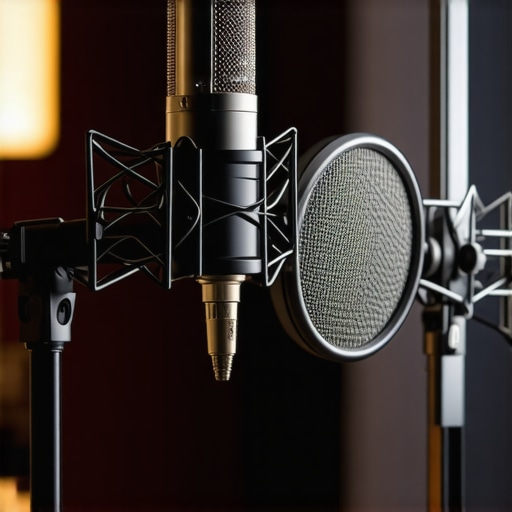
Invest in a quality pop filter, shock mount, and acoustic treatment if possible. These accessories reduce unwanted noise and vibrations, much like a windshield on a camera. Post-recording, use editing software to remove residual noise and balance your audio. Remember, equipment alone won’t elevate your sound — proper setup and adjustments are key to professional clarity. For a detailed breakdown, check out the best microphone setups for 2024.
Many podcasters believe that selecting the most expensive or well-known microphone guarantees top-tier sound quality, but this is a misconception. The truth is, understanding the nuances of microphone technology and how it interacts with your voice and environment is crucial. For instance, many assume that a USB microphone is always enough for professional results, yet an XLR setup with proper audio processing can outperform budget options if you have the right knowledge.
Another common myth is that all microphones are created equal. In reality, each type—condenser, dynamic, shotgun—has unique characteristics suited for specific scenarios. For example, a shotgun microphone might be great for outdoor recording but overkill for a quiet home studio. Many overlook the importance of matching microphone polar patterns and frequency responses to their voice type, which can cause listeners to perceive their audio as dull or harsh.
Why Your Microphone Choice Might Be Holding You Back
Consider the trap of ignoring the importance of proper placement and acoustic treatment. Even the best microphone will falter if positioned incorrectly or if your room introduces echoes and background noise. A common mistake is recording too far from the mic, resulting in weak, distant sound. Conversely, speaking too close can cause plosives and distortion. Achieving the right distance and angle is an advanced skill that many overlook, but it can significantly improve clarity.
Furthermore, many believe that equipment alone solves all audio problems. In reality, post-production adjustments, such as equalization and noise reduction, are equally vital. Using software like professional editing tools can make a noticeable difference, especially if your recording environment isn’t perfect.
Finally, let’s address a sophisticated question: Can investing in a high-end microphone compensate for poor room acoustics and inconsistent voice technique? According to audio experts, the answer is generally no. While a premium mic offers better raw quality, it cannot fully mask deficiencies in environment or technique. The best results come from a balanced approach—choosing the right microphone for your voice and environment, coupled with proper placement, acoustic treatment, and post-processing. For comprehensive advice on this, check out the top voice streaming microphones for 2024.
Have you ever fallen into this trap? Let me know in the comments. Remember, mastering your microphone setup is an ongoing process, but understanding these hidden nuances will put you steps ahead in the game.
Once you’ve invested in a quality microphone—whether it’s a versatile USB model or a professional XLR setup—keeping it in excellent condition is crucial for consistent, polished sound. Regular maintenance prevents unexpected issues, extends the lifespan of your equipment, and ensures your recordings remain crisp and clear every time. In this post, I’ll share the specific tools and methods I personally rely on to maintain my podcast gear, along with a glimpse into future trends that could make this process even easier.
How do I maintain my microphone over time?
First, always keep your microphone clean. I use a soft microfiber cloth to gently wipe down the grille after each session, removing dust, saliva, and fingerprints that can accumulate and affect sound quality. For deeper cleaning, a small amount of isopropyl alcohol on a cloth works wonders—just avoid harsh chemicals that can damage delicate parts. Additionally, using a dedicated pop filter not only improves sound but also protects the mic’s capsule from moisture over time.
Next, investing in a shock mount is essential, especially if you’re recording in an environment prone to vibrations or bumps. It isolates the microphone from handling noise and ensures your audio remains smooth. I personally prefer models with built-in damping features, which I find make a noticeable difference during long recording sessions. For XLR mics, I use a high-quality shock mount that fits my model perfectly. Regularly checking and tightening the mounting hardware prevents any loosening that could cause unwanted noise.
Controlling environmental factors is another key part of maintenance. I use acoustic foam panels and bass traps to minimize echoes and background noise—this preserves your mic’s integrity and reduces the need for excessive post-processing. Keep your recording space clean and organized; a clutter-free environment minimizes accidental knocks and dust buildup that can harm your gear.
Tools I recommend for long-term microphone care
For routine cleaning, I swear by a soft, lint-free microfiber cloth and a gentle, alcohol-based cleaner. To protect the capsule from moisture, I keep silica gel packs nearby—these absorb humidity and prevent corrosion. When it comes to cable management, velcro straps and cable clips are invaluable, preventing wear and tear on your XLR or USB cables. If you’re serious about maintaining your setup, consider a dedicated rack or storage case with padding, designed specifically for microphone gear, to keep everything safe during transport or long periods of non-use.
Looking ahead, I believe the trend toward smart, self-cleaning microphones with built-in sensors and maintenance alerts will grow. Companies are exploring AI-powered diagnostics that can detect issues like capsule wear or electrical faults before they become serious problems. This would save time and money, ensuring your equipment always performs at its best.
Try this advanced tip to keep your gear sounding fresh
One simple but effective practice is to periodically perform a calibration test using reference tones or test recordings. This helps you catch any degradation in audio quality early. Additionally, regularly updating your recording software and firmware can fix bugs and improve noise handling, ultimately preserving your microphone’s clarity over time. I recommend scheduling a monthly check-in to assess your setup and clean components—consistency is key to long-term performance.
Maintaining your microphone might seem like a small detail, but it has a huge impact on your overall sound quality. Embrace these tools and routines, and you’ll enjoy pristine recordings for years to come. Ready to give your gear the care it deserves? Start with a quick clean today, and notice the difference in your next session!
Over the years, I’ve learned that the real secret to a professional-sounding podcast isn’t just about fancy editing or content; it’s about getting your microphone setup right from the start. The lessons I’ve learned through trial and error, and the moments when I finally cracked the code, are what I want to share with you today. These insights can save you time, money, and frustration as you refine your audio quality and truly connect with your audience.
The Hardest Lesson I Learned About Podcast Microphones
One of my most impactful lessons was realizing that no matter how good your microphone is, poor placement can sabotage your sound. I once recorded an entire episode with my mic too far away, resulting in thin, distant audio that was hard to listen to. It taught me that positioning and environment matter more than many beginners think. Proper placement, like keeping the mic about 6-12 inches from your mouth and using a pop filter, makes a world of difference.
Why I Almost Overlooked Acoustic Treatment
I used to believe that a high-end microphone would fix all my audio issues, but I quickly learned that environment matters just as much. Echoes and background noise can rob your recordings of clarity, even with a great mic. Investing in some acoustic panels and learning how to position them around your space was a game-changer. It’s a reminder that your setup isn’t just about gear, but also your space.
My Biggest Mistake with Equipment and How I Fixed It
Initially, I bought the most expensive XLR microphone I could find, thinking it would make me sound perfect. Turns out, I didn’t know how to match it to my voice or environment. I learned that choosing the right microphone type—be it USB or XLR—and understanding polar patterns and frequency responses is crucial. Now I focus on matching my gear to my voice, not just chasing the latest tech.
How Post-Processing Can Save Your Sound
Even with the best setup, some noise or inconsistencies sneak in. That’s where editing software comes in. I’ve found that subtle equalization, noise reduction, and leveling can turn a good raw recording into a polished broadcast. It’s worth investing time in learning these tools, as they help compensate for less-than-perfect environments and microphone choices.
Curated Recommendations for Your Podcast Microphone Journey
When I started upgrading my gear, I turned to trusted sources like the comprehensive ultimate guide to voice streaming microphones for 2024. It helped me understand which models fit different budgets and needs. I also rely on top XLR microphones for professional podcasts for my main setup, and the best USB microphones for streaming in 2024 for quick, quality recordings when I’m on the go. These sources keep me informed and confident that I’m investing wisely.
Your Turn to Make a Change
Remember, perfecting your podcast voice isn’t about having the most expensive gear but understanding how to use what you have effectively. Small adjustments—like mic placement, acoustic treatment, and post-processing—can dramatically improve your sound. So, what’s the first step you’ll take today to upgrade your microphone setup? Share your plans or questions below—I’d love to hear your story and help you succeed in 2024!
Reading this post really resonated with me, especially the part about microphone placement and acoustic treatment. When I first started podcasting, I underestimated how much environment impacts sound quality. I used a decent microphone, but the room’s echo made my recordings harsh and unprofessional. After I added some foam panels and learned to keep the mic closer—about 8 inches from my mouth—I noticed a huge improvement.
What I found challenging was figuring out the right settings for my voice, as every mic and environment is different. I’ve also started using a pop filter and shock mount, which made a visible difference in noise reduction and handling noise. It’s fascinating how these small tweaks can elevate overall audio quality. I’m curious—how do others find the balance between investing in gear versus optimizing their current setup? Would love to hear your experiences or tips for maximizing existing equipment without breaking the bank.