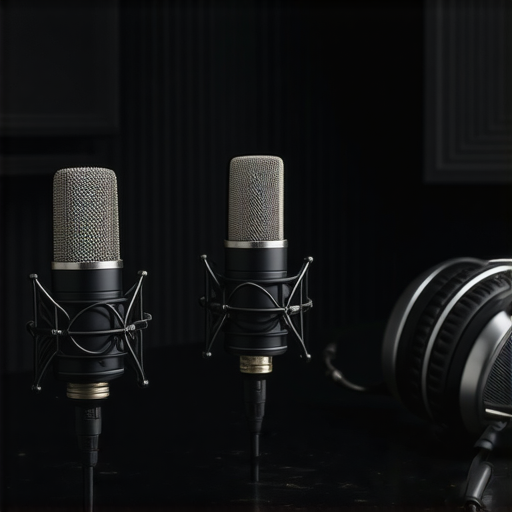
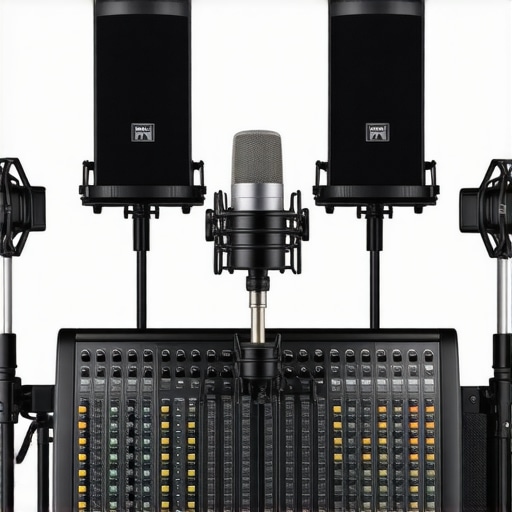
It was late at night, the room dimly lit, and I was finally ready to hit record for my first podcast episode. I plugged in my microphone, hit the record button, and—disaster. The audio was muffled, distant, and completely unprofessional. I spent hours trying to fix it, but the truth hit me hard: I was using the wrong mic. I realized that choosing the right streaming microphone isn’t just a matter of preference—it’s the foundation of your content’s quality and your audience’s experience.
Your Voice Deserves Better Than Just Okay
If you’ve ever struggled with poor sound quality, inconsistent volume, or background noise—trust me, you’re not alone. In 2024, the landscape of voice and podcast gear has exploded with options, making it even harder to pick the right one. The good news is, with a bit of guidance, you can avoid the pitfalls I fell into and ensure your voice comes through crystal clear every time. Today, I’ll help you navigate the complex world of microphone types, so you can find the perfect match for your setup and budget.
Ever Wondered If Your Microphone Really Matters?
I used to think that any mic would do, as long as it plugged into my computer. I bought a cheap USB microphone and hoped for the best. Turns out, I was making a crucial mistake early on: neglecting the importance of the right mic for my voice and purpose. Since then, I’ve learned that investing in the right hardware significantly elevates your audio game, whether you’re streaming, podcasting, or recording vocals. According to industry experts, gear quality directly impacts listener engagement and perception of professionalism (source here).
So, if you’re fed up with amateur-sounding recordings or just want your voice to truly shine, you’re in the right place. Over the next sections, we’ll cover the key factors to consider and get you set up with a microphone that works hard so your voice can be heard loud and clear. Ready to find that perfect mic? Let’s dive in.
Selecting the Right Microphone Type
Start by identifying your primary needs—whether for streaming, podcasting, or recording vocals—and then match the microphone type accordingly. For beginners, USB microphones offer plug-and-play simplicity, while XLR mics provide superior audio quality for dedicated setups. I once decided to upgrade my gear after noticing my voice sounded flat on recordings. I experimented with both types and found that a well-chosen XLR microphone, paired with a quality audio interface, drastically improved my clarity. To explore options, check out top USB and XLR microphones for 2024 for detailed comparisons.
Compare Dynamic vs. Condenser Microphones
For voice recordings, condenser mics capture detailed nuances but are sensitive to background noise, making them ideal for controlled environments. Dynamic mics handle SPL (Sound Pressure Levels) better and are more forgiving in noisy settings. I once set up a condenser mic in a busy room and ended up with background noise; switching to a dynamic mic solved the issue instantly. Think of condenser mics as the high-resolution camera capturing every detail, while dynamic microphones are like a rugged DSLR that handles tough conditions. Learn more about these distinctions at this guide on microphone types.
Mastering Your Microphone Setup
Proper placement and environment are crucial. Position your microphone roughly 6-12 inches from your mouth, slightly off-axis to reduce plosives. Use a pop filter to eliminate harsh ‘p’ sounds—this small investment prevents muffled recordings. I once overlooked mic positioning and received thin, tinny audio; after adjusting placement and adding a pop filter, my voice sounded warm and professional. Keep ambient noise minimal, utilizing soft furnishings or foam panels. For comprehensive setup tips, see this detailed setup guide.
Fine-Tuning Your Audio Chain
Invest in a quality audio interface or mixer to convert analog signals cleanly—hardware quality impacts sound clarity. Set appropriate gain levels; too high causes distortion, too low results in weak audio. I experienced this firsthand when my initial gain was maxed, causing loud, harsh sounds. Gradually lower the gain until your levels peak around -6 dB to -12 dB during loudest parts. Use headphones to monitor live audio and make real-time adjustments. For specific recommendations, check out this equipment guide.
Optimizing for Streaming and Recording
Implement noise suppression and equalization through your recording software or hardware. A high-pass filter removes low-frequency hums, while slight compression levels help maintain consistent volume. During my first streams, background noise distracted listeners; after applying noise reduction presets, my audio became notably cleaner. Test various settings to find a natural sound that suits your voice. Many streamers use software like OBS with built-in filters—familiarize yourself with these options to enhance your voice quality. Explore recommended tools at this resource on streaming gear.When it comes to choosing the right microphone for voice recording or streaming, many believe that simply picking between XLR and USB is enough. However, there’s a deeper nuance that often gets overlooked: the misconception that one type universally outperforms the other across all scenarios. In reality, the context of use, environment, and even specific microphone models play a crucial role, and assuming a one-size-fits-all mindset can lead to subpar results. For instance, many casual streamers buy affordable USB mics thinking they’ll get professional quality, but neglect that upgrading to a higher-quality XLR setup with proper acoustic treatment might be necessary for a truly polished voice. Additionally, a common myth is that all dynamic microphones are suitable for podcasting, yet in practice, condenser mics can capture more nuanced voice detail—provided the environment is quiet and well-treated. This nuance often escapes beginners, leading them to opt for the wrong mic type, resulting in inconsistent audio quality. An advanced tip is understanding that the microphone’s placement and the entire audio chain—preamp, interface, and software—must be optimized together, not just the mic choice itself. Industry experts emphasize that neglecting the acoustics and signal chain can undermine even the best microphone, which is why investing in acoustic treatment and proper gain staging is essential (see more about microphone types and setup tips). Keep in mind that the choice of microphone should align with your specific recording environment, goals, and budget rather than chasing trends or myths. Remember, the right setup can significantly elevate your sound quality, but only if you recognize and avoid these common misconceptions. Have you ever fallen into this trap? Let me know in the comments.
Ensuring your microphone remains reliable and produces high-quality audio over time involves more than just initial setup. Regular maintenance and using the right tools can significantly extend your equipment’s lifespan and keep your recordings crisp and professional. I personally recommend investing in a dedicated microphone cleaning kit that includes compressed air, gentle brushes, and microfiber cloths. This allows me to remove dust and debris from the grille and connectors without damaging sensitive components. Additionally, keep your microphone’s environment in mind; humidity and temperature fluctuations can affect performance, so storing your gear in a controlled space is essential. Implementing a routine check of your connections and replacing cables at signs of wear prevents signal loss and static issues, which are common culprits of long-term problems.
How do I maintain my microphone over time?
Consistency is key. Periodically inspect your mic for physical damage and clean it gently after each recording session. Investing in a quality pop filter or windscreen not only enhances sound quality but also prolongs the life of your microphone by preventing moisture buildup. Keeping your software and drivers updated ensures compatibility and optimal operation, especially if you use a USB microphone that relies heavily on firmware. Looking ahead, I predict that smart, self-maintaining microphones will become more prevalent, equipped with sensors to notify users of issues before they impact recordings. Until then, scheduling regular maintenance and employing reliable tools will keep your setup working flawlessly. For detailed tips on maintaining your gear, explore this comprehensive setup guide. Don’t wait for problems to arise—start routine check-ups today and enjoy uninterrupted, high-quality recordings. Try setting a monthly maintenance schedule and see how it improves your voice clarity and equipment longevity. Remember, a little effort now saves a lot of frustration later, especially when preparing for a big podcast or streaming event.
What I Learned the Hard Way About Microphone Choices
One of the most eye-opening lessons I encountered was realizing that not all microphones are created equal—especially when it comes to voice clarity. I once believed that any mic would suffice for streaming, but the reality proved otherwise. Investing in a quality setup, including a good microphone, drastically elevated my audio game and made my streams more engaging. This taught me that your voice deserves the right tool, and cutting corners can cost you authenticity and audience connection.
Gear That Made a Difference for My Voice
Over time, I discovered that my choice of microphone—opting for a condenser over a dynamic mic in a quiet room—bushed my audio quality to new heights. I trust this guide to help select microphones suited for various environments, ensuring I always have the right equipment at hand. Remember, the right tools can turn a mediocre recording into a professional-sounding voice, which is invaluable for both hobbyists and seasoned creators alike.
How Environment Shapes Microphone Performance
One lightbulb moment was understanding how my recording environment impacts microphone choice. Using a well-treated room with soft furnishings complemented my XLR mic, reducing unwanted noise. On the other hand, in a lively space, a dynamic microphone would have been more forgiving. Recognizing this nuance reminded me that your environment is just as crucial as the hardware—it’s about creating harmony between your space and your gear for optimal sound.
My Secret to Maintaining Top Audio Quality
Consistent maintenance and thoughtful setup keep my voice recordings sharp. Regularly cleaning my gear and updating my drivers, supported by tips from this comprehensive guide, ensure my microphone performs at its best session after session. It’s a reminder that excellence isn’t just about hardware but also about caring for it—small routines that pay off in crystal-clear voice delivery.
Transform Your Voice Today
If you’re ready to elevate your voice recording or streaming setup, take action now. Remember, selecting the right microphone isn’t just a technical decision—it’s an investment in your voice and your audience’s experience. With the right tools and mindset, you can turn your content into something truly memorable. So, what’s holding you back from making that upgrade? Let’s discuss below—share your challenges and wins on your audio journey!
This post really hits home for anyone starting out with podcasting or streaming. I completely agree that the right microphone can make or break the quality of your content. When I first started, I thought any mic would do, but I quickly realized that investing in a decent condenser microphone, especially in a quiet room, transformed my recordings. That extra clarity not only improved listener engagement but also boosted my confidence behind the microphone. One challenge I faced was background noise, which I managed to mitigate with a good pop filter and some ambient soundproofing. For those unsure about choosing between condenser and dynamic mics, have you found a particular type works better for your environment? I’d love to hear what others have experienced and any tips on optimizing mic placement for the best sound.
Reading through this post, I can definitely relate to the importance of choosing the right microphone. When I started my podcast, I initially went with a budget USB mic, believing it would suffice. However, I quickly noticed my recordings lacked clarity and had background noise issues. Switching to a decent condenser microphone in a controlled environment made a huge difference—it truly transformed my audio quality and listener engagement. One thing I’ve found helpful is experimenting with mic placement: positioning the mic slightly off-axis and at a consistent distance greatly reduces plosives and peaking. I’m curious, how do others handle room acoustics if they’re on a tight budget? Are there affordable ways to improve sound quality aside from investing in high-end gear? I’d love to hear more tips, especially for those just starting out or working in less-than-ideal spaces.