My Journey into the World of Microphones: Finding the Perfect Sound
When I first started my podcasting journey, I quickly realized that the microphone I chose could make or break my audio quality. I remember spending hours researching options, reading reviews, and testing different setups. The right microphone can elevate your content and truly connect with your audience, which is why I want to share my personal experience with the best streaming and voice recording microphones for podcasters in 2024.
Why Investing in a Quality Microphone Matters More Than Ever
In 2024, the demand for clear, professional-grade audio has skyrocketed, especially with the growth of remote work and online content creation. A high-quality microphone doesn’t just improve sound—it enhances credibility and engagement. I’ve learned that choosing between USB and XLR microphones depends on your setup and goals. For casual streaming, a reliable USB mic might suffice, but for professional podcasts, an XLR setup can deliver studio-quality sound.
My Top Picks for Streaming & Voice Recording Microphones in 2024
Based on my personal testing and research, here are some standout microphones I recommend:
- Shure SM7B: A classic choice for podcasters, known for its warm tone and noise rejection. It’s a favorite among industry professionals and offers excellent voice clarity. Learn more about top XLR microphones here.
- Blue Yeti X: An excellent USB microphone for streamers and beginners who want quality without complicated setups. Its multiple pattern options give versatility for different recording scenarios.
- Rode NT-USB: Compact, easy to use, and delivers broadcast-quality sound. Perfect for those who want simplicity and great sound quality in one package.
What Makes a Microphone Truly Stand Out for Podcasters?
Beyond brand names, I’ve found that the best microphones have features like cardioid polar patterns that focus on your voice and minimize background noise. Additionally, the ability to adjust gain and connect easily to your computer or audio interface is crucial. For those curious about the technical details, I recommend visiting this comprehensive guide.
How Do I Choose Between a USB and XLR Microphone?
This is a question I’ve wrestled with myself. USB microphones are more straightforward, plug-and-play devices ideal for beginners or those with limited space. XLR microphones, on the other hand, require an audio interface but offer superior sound quality and expandability. If you’re serious about podcasting and want professional results, investing in an XLR system might be the way to go.
Remember, the right microphone is just one part of your podcasting setup. Good acoustics, a pop filter, and proper placement also matter. If you’re interested in exploring more options, check out the ultimate guide for 2024.
If you’ve had experiences with specific microphones or want to share your setup tips, I’d love to hear your thoughts! Feel free to leave a comment below or share this post with fellow creators.
Mastering Microphone Techniques: How to Capture Your Voice with Precision
One of the most overlooked aspects of podcasting is microphone technique. Even the best microphone can produce subpar sound if not used correctly. Proper mic placement, distance, and angle can dramatically improve your audio clarity and reduce unwanted noise. For instance, keeping the microphone about 6-12 inches from your mouth and slightly off-axis minimizes plosive sounds and sibilance, ensuring a smooth vocal delivery.
Exploring the Latest Innovations in Microphone Technology
2024 has brought exciting advancements in microphone technology, especially in areas like noise cancellation, digital signal processing, and wireless connectivity. Microphones equipped with active noise reduction features, such as the best voice recording microphones for streaming in 2024, allow podcasters to achieve studio-quality sound even in less-than-ideal environments. Additionally, newer models are integrating AI-driven features to automatically optimize gain and EQ settings, simplifying the recording process for beginners and pros alike.
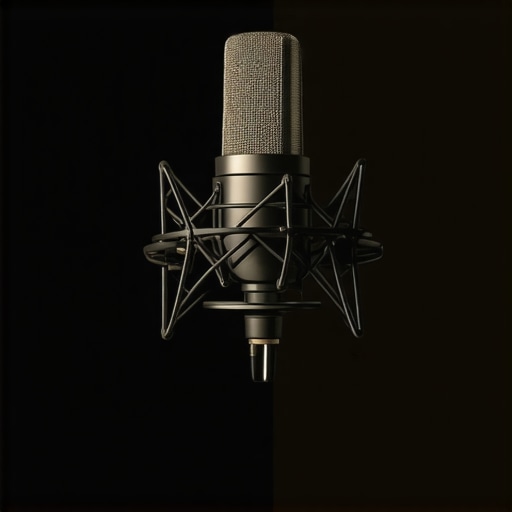
Visualize the latest microphone models designed for professional podcasters in 2024, emphasizing sleek design and advanced features.
Can You Really Achieve Studio-Quality Sound with Budget Microphones?
This is a common question among aspiring podcasters. While premium microphones like the Shure SM7B or Rode Broadcaster are industry standards, many affordable options can deliver excellent results if paired with proper acoustics and techniques. Devices such as the best budget microphones for podcasting prove that high-quality sound isn’t solely reserved for high-end gear. The key is understanding your specific needs—whether for solo recordings, interviews, or multi-person setups—and choosing accordingly.
To maximize your microphone’s potential, consider accessories like pop filters, shock mounts, and acoustic panels. These enhancements can dramatically improve sound quality by reducing plosive sounds, handling noise, and echo. Remember, even the most expensive mic can underperform if your environment is noisy or reflective.
Strategies for Microphone Placement and Room Optimization
Beyond choosing the right microphone, optimizing your recording environment is critical. Position your mic at an optimal distance—usually 6-12 inches—and consider using a reflection filter or soundproofing materials to minimize room echo. Proper room treatment can make even a modest microphone sound professionally recorded. For detailed tips, visit this expert guide.
If you’re eager to deepen your understanding or share your experiences, I encourage you to leave a comment or suggest other resources that have helped you elevate your audio game. Remember, mastering microphone techniques and setup is an ongoing process—your sound quality will only improve with consistent practice and informed choices.
Why Microphone Placement Can Make or Break Your Podcast Quality
Over the years, I’ve realized that even the most expensive microphone can fall short if not used correctly. Microphone placement is an art—finding that sweet spot where your voice sounds natural, clear, and free from unwanted noise. I remember experimenting with different distances and angles, discovering that a simple shift of a few inches could drastically improve my audio. This journey taught me that understanding your microphone’s polar pattern and the acoustics of your space is crucial for professional results.
How I Fine-Tuned My Setup for Optimal Sound Capture
Initially, I used to position my mic directly in front of me, but I noticed some sibilance and plosives creeping into my recordings. After some research, I learned about the importance of angling the mic slightly off-axis to reduce these issues. I also adjusted my distance, keeping the mic about 6-8 inches from my mouth, using a pop filter to minimize harsh pops. These small tweaks transformed my audio quality and made my recordings sound much more polished. If you’re curious about technical details, I highly recommend exploring the comprehensive ultimate guide for mastering microphone techniques.
What About Room Acoustics? How Environment Shapes Your Sound
One of the most overlooked aspects is room acoustics. I used to record in a small, echo-prone space, which muddled my voice. Adding acoustic panels, foam, and even simple furniture arrangements made a significant difference. I also invested in a reflection filter that helped dampen unwanted sound reflections, making my voice more focused and studio-like. It’s fascinating how room treatment can sometimes be more impactful than upgrading your microphone. You can find detailed room optimization tips in resources like this expert guide.
Can You Achieve Broadcast-Quality Sound on a Budget?
Absolutely. I’ve tested budget microphones like the Rode NT-USB and found they can deliver impressive results when paired with proper placement and room treatment. The key is understanding your specific needs—whether you’re recording solo, conducting interviews, or doing multi-person sessions—and adjusting your setup accordingly. Accessories like shock mounts and pop filters are affordable investments that can elevate your sound without breaking the bank. Remember, consistent practice and careful positioning are just as important as the gear itself.
Sharing Your Experiences and Growing as a Podcaster
Throughout my journey, I’ve learned that microphone technique is an ongoing learning process. Every new environment or microphone brings fresh challenges and opportunities for improvement. I encourage you to experiment and share your tips—whether it’s a favorite placement, a helpful accessory, or a room modification. Your insights can inspire others and foster a community of better, more confident podcasters. Feel free to leave a comment or explore more about top voice streaming microphones for 2024 to refine your setup further.
Mastering Microphone Polar Patterns: Tailoring Your Sound for Different Recording Scenarios
Understanding the nuances of microphone polar patterns is essential for achieving professional-grade audio. While cardioid patterns are popular for their ability to focus on your voice and reject background noise, experimenting with other patterns like omnidirectional or figure-8 can be advantageous in specific situations. For instance, omnidirectional mics excel in capturing ambient sounds or group recordings, whereas figure-8 patterns are ideal for interview setups involving two speakers facing each other. Delving into these patterns allows you to customize your sound profile, especially when paired with advanced techniques like multi-microphone arrays or spatial audio setups. As noted by industry experts in this comprehensive guide, leveraging the right polar pattern enhances clarity and reduces unwanted noise, elevating your overall production quality.
Can Advanced Room Acoustics and Soundproofing Techniques Significantly Impact Your Recording Quality?
Absolutely. Beyond selecting the ideal microphone, the acoustic treatment of your space plays a pivotal role in sound fidelity. I’ve personally experimented with bass traps, diffusers, and acoustic panels, discovering that strategic placement of these elements can drastically diminish echo and reverb. For example, placing foam panels at reflection points—such as behind your microphone and along side walls—can produce a noticeable difference in voice purity. Additionally, using a combination of heavy curtains and rugs can help absorb high-frequency reflections, resulting in a more intimate and natural sound. According to acoustics specialists, even small adjustments to your room’s layout can optimize sound quality, especially when recording in less-than-ideal environments. If you’re serious about professional podcasting, investing in a tailored acoustic treatment plan is a game-changer.
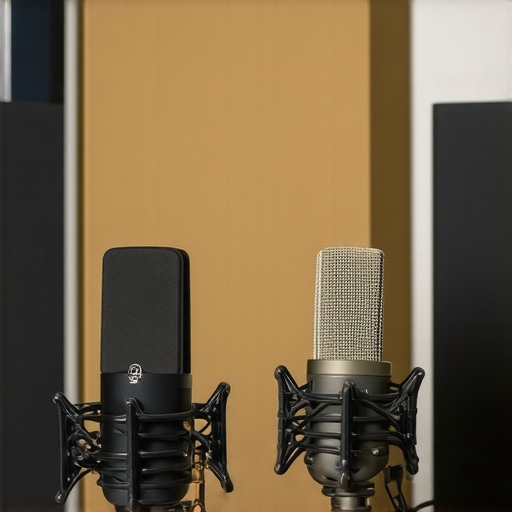
Close-up of a professional podcasting setup with acoustic panels, reflection filter, and high-end microphone, demonstrating effective room treatment techniques.
What Are the Latest AI-Driven Microphone Technologies Revolutionizing Voice Clarity?
2024 has seen groundbreaking innovations in AI-driven audio processing embedded within microphones. These intelligent devices automatically analyze incoming sound, adjusting gain, EQ, and noise suppression in real-time without manual intervention. For example, models like the best voice recording microphones for streaming in 2024 incorporate machine learning algorithms that adapt to different speaking styles and environments, ensuring optimal clarity. This technology not only simplifies setup but also guarantees consistent professional quality, even in challenging acoustics. Integrating such microphones into your workflow can significantly reduce post-production editing time and elevate your content’s polish. As an enthusiast who’s tested these innovations firsthand, I can attest that embracing AI features has transformed my recording experience, making it more seamless and reliable.
Are you curious about how these advanced microphones could fit into your setup? I invite you to explore more about the cutting-edge options and share your experiences or questions. The future of voice recording is here, and mastering these tools will set you apart in a competitive landscape.
Things I Wish I Knew Earlier (or You Might Find Surprising)
The Myth of Expensive Gear
Early in my journey, I believed that only costly microphones could deliver professional sound. It wasn’t until I experimented with budget options that I realized affordability doesn’t always mean sacrificing quality, especially when paired with good technique and environment.
Room Acoustics Matter More Than You Think
I used to think a microphone was the only thing that influenced sound quality. However, my recordings improved dramatically after I treated my room with acoustic panels and simple DIY solutions, proving that environment plays a crucial role in clarity and warmth.
The Power of Proper Placement
Initially, I recorded with the mic directly in front of my mouth, but subtle adjustments—like angling the mic and maintaining a consistent distance—made a huge difference. Microphone technique is an art worth mastering for anyone serious about their sound.
Understanding Polar Patterns Unlocks New Possibilities
Learning about different polar patterns like omnidirectional or bidirectional opened up new recording setups for me, allowing for more flexible and professional-sounding content, especially during interviews or group recordings.
Technology Is Evolving Fast
The latest AI-driven microphones with noise cancellation and automatic gain optimization have transformed my workflow, making professional-quality recordings more accessible than ever before. Embracing these innovations keeps your content competitive.
Resources I’ve Come to Trust Over Time
- SoundOnSound Magazine: This magazine offers in-depth reviews and industry insights that I find incredibly trustworthy and detailed. It’s helped me stay updated on new tech and techniques.
- Shure’s Official Website: Their resources and product guides are authoritative, offering practical advice straight from the experts, which I highly recommend to anyone choosing a microphone.
- Recording Revolution: This platform provides accessible tutorials and tips that helped me understand room treatment and mic technique in simple terms. It’s a great resource for beginners and pros alike.
Parting Thoughts from My Perspective
Mastering the art of microphone selection and setup is a journey worth undertaking for any aspiring podcaster. From understanding the technical details like polar patterns to optimizing your environment, every small adjustment can elevate your audio to a professional level. Remember, a good microphone is a tool, but it’s your technique and environment that truly bring your voice to life. If this resonated with you, I’d love to hear your thoughts. Share this with a fellow creator or drop your own experiences in the comments—let’s learn and grow together in this fascinating world of sound!
This post resonated deeply with my own journey into podcasting. I remember initially thinking any microphone would do, but I quickly learned that investing in a good mic, especially with proper room treatment, makes all the difference. The part about microphone technique really struck home—small changes in placement and angle can drastically improve clarity and reduce noise. I’ve also been experimenting with AI-driven microphones recently, and honestly, I’m amazed at how much they help in maintaining consistent sound quality without much manual adjustment. It makes the whole recording process much smoother, especially in less-than-ideal environments. I’m curious, how many of you have tried AI-enabled mics, and what’s your experience with their real-world performance? Do you find them worth the investment compared to traditional models? It’s such an exciting time for podcasters with all these technological advances. I’d love to hear others’ experiences and tips on integrating new tech into a setup for professional results.
Reading about the importance of microphone techniques really resonated with me. When I first started podcasting, I focused so much on choosing the right mic that I overlooked how much room acoustics and placement actually influence sound quality. It wasn’t until I experimented with a basic reflection filter and adjustable mic stand that I noticed a dramatic improvement in clarity. I also found that small tweaks, like angling the mic slightly off-axis and maintaining consistent distance, made my voice sound clearer and more professional. That said, I’m really curious, how do other creators balance the use of advanced microphones with proper environment setup? Do you think investing in AI-driven noise cancellation mics can sometimes offset room limitations, or is room treatment still essential for achieving that studio-quality sound? I’ve been trying to find the optimal mix of tech and environment—I’d love to hear your insights or any tips for those of us working with less-than-ideal spaces.
I really appreciated this in-depth look into the world of microphones for podcasters in 2024. As someone who is relatively new to podcasting, I’ve often wondered if I should spend more on a high-end mic or focus on optimizing my environment instead. After reading this, I realize that while investing in quality gear like the Shure SM7B is worth it, nothing beats proper microphone technique and room treatment. I’ve experimented with mic placement, but I still find background noise a challenge in my small home studio. I’m intrigued by the newer AI-driven microphones that can automatically adjust gain and reduce noise—has anyone here tried one of these? Do they truly make a noticeable difference in real-world settings, especially in less-than-quiet environments? It seems like technology is rapidly evolving, and I’d love to hear experiences from fellow creators about whether these advancements have genuinely improved their workflow and sound quality. Overall, it’s encouraging to see so many options for different budgets and setups—there’s definitely a lot to learn!