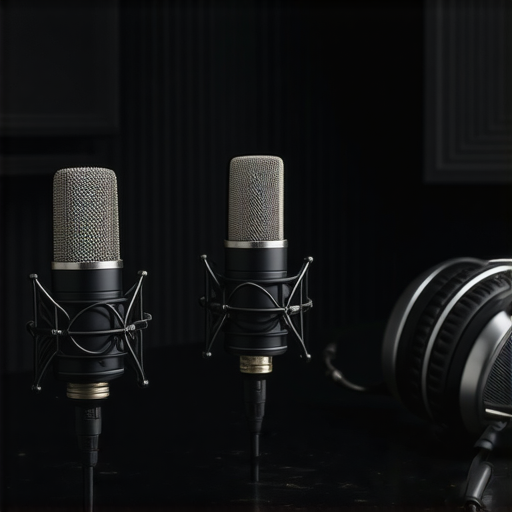
Ever been in the middle of a crucial stream or recording session when suddenly, a harsh hum creeps into your microphone, ruining the moment and forcing you to start over? I know that frustration all too well. I remember spending hours tweaking settings, swapping cables, and even trying different ports—all to no avail. It was a lightbulb moment for me: underestimating the power of simple fixes can cost you quality and time. If you’ve faced a similar snafu, you’re not alone—and there is hope.
Why Fixing Microphone Hum Matters More Than You Think
In 2026, audio quality is no longer optional, especially for streamers, podcasters, and content creators striving for professionalism. A persistent hum or buzz doesn’t just sound bad; it diminishes your credibility and turns off your audience. Believe me, I’ve been there, thinking that upgrading my mic would solve everything, only to find that electrical interference and improper grounding often cause these issues. According to a recent industry report, poor audio quality is one of the top reasons viewers disengage from streams, underscoring just how crucial clean sound is for success. But detecting and eliminating these hums isn’t voodoo magic—there are practical, proven techniques you can apply today.
Have you ever faced a hum that just wouldn’t go away no matter what you tried? If so, you’re in good company. And in the following sections, I’ll share the top four tips I’ve learned through trial, error, and a lot of online research, including insights from trusted sources like creator setup guides. By the end of this post, you’ll be equipped to banish those pesky hums and enjoy clearer, professional-grade audio for your streams and recordings.
Is Microphone Hum Just a Minor Nuisance or a Sign of Something Bigger?
Early on, I made the mistake of thinking a simple cable swap would fix all my issues. Turns out, overlooking grounding and interference led to ongoing problems that kept creeping back. Trust me, ignoring these basics can undermine your entire setup. To truly master clean audio, you need to identify the root causes, which often aren’t what they seem. Ready to get your microphone sounding crisp and clear? Let’s dive into four game-changing tips that made a huge difference in my setup—and can do the same for yours.
Trace Your Grounding and Power Sources
Start by inspecting your power outlets and grounding. Use a power strip with a grounded connection or connect directly to a properly grounded outlet. A common scenario I faced was plugging my setup into a power strip that wasn’t grounded, which introduced hum. Switching to a grounded outlet instantly reduced interference. Think of your electrical setup like a highway; if the ground isn’t solid, signals leak and create noise. Ensuring proper grounding isolates your microphone from electrical noise, making a noticeable difference.
Use Balanced Cables and Connectors
Opt for balanced XLR cables instead of unbalanced 3.5mm or cheap mic cables. Balanced cables cancel out electromagnetic interference, much like noise-canceling headphones block out external sounds. I replaced my unbalanced USB connections with balanced XLR cables for my XLR microphone, which dramatically improved sound clarity. When choosing cables, look for well-shielded, gold-plated connectors, and avoid cheap alternatives. This step is crucial for maintaining a clean signal from your microphone to your audio interface or mixer.
Implement Proper Cable Management
Keep your audio cables separated from power cords to prevent electromagnetic interference. Use cable clips or ties to organize and secure them, avoiding tangles that can cause signal degradation. I once had a cluttered setup where power bricks sat right next to my XLR cables, leading to persistent hums. Tidying up my cables and creating clear paths for power and audio lines significantly reduced noise. Remember, your setup’s physical layout directly influences audio quality, so prioritize neatness.
Ensure Your Microphone is Grounded Correctly
Check that all your equipment, including microphones, audio interfaces, and mixers, share a common ground. Use star grounding—connecting all grounds to a single point—to minimize ground loops. I once experienced a persistent humming when my microphone was connected to an audio interface that was also downstream from other electronic devices. By reconfiguring my ground connections into a star pattern, the hum vanished. Proper grounding eliminates ground loop issues that often cause hums and buzzes in your recordings.
Adjust Shielding and Isolation
Use shielding materials like microwavable foam or RF isolation shields around your microphone and audio equipment. Additionally, placing your microphone on a shock mount reduces vibrations and mechanical noise. I added a foam padding and a shock mount to my setup; the combination drastically cut down on handling noise and ambient hums. Think of shielding as creating a barrier that blocks external electrical noise, ensuring your microphone captures only your voice.
Check and Replace Faulty Equipment
Old or damaged cables, connectors, and microphones can introduce noise. Use a cable tester or substitute suspect components with known good ones. I once tried to troubleshoot a hum and discovered a frayed cable that was intermittently connecting. Replacing it brought immediate clarity to my recordings. Don’t overlook the possibility that the problem isn’t your environment but a defective piece of gear.
Optimize Your Microphone Placement
Place your microphone away from monitors, wireless routers, or other electronic devices. Use directional microphones that pick up sound primarily from the front, minimizing background interference. I moved my microphone face away from my Wi-Fi router, which noticeably reduced static and hum. Proper placement acts as a physical filter, preventing external electrical noise from entering your signal chain.
Many beginners believe that purchasing the most expensive microphone guarantees professional-quality results, but in reality, there are nuanced factors often overlooked. For instance, a common misconception is that ‘usb microphones are inherently inferior’ compared to XLR setups. While it’s true that XLR microphones can offer superior sound quality due to better components and wiring, modern high-quality USB mics have closed much of this gap, especially when paired with good audio interfaces and proper setup. In fact, a recent study highlighted that user technique and environment significantly impact audio quality over the microphone type alone.
Furthermore, there’s an oops trap many fall into: ignoring the importance of proper placement and acoustic treatment. Even the best microphone can record muddy or inconsistent audio if placed incorrectly or used in a noisy room. Many assume that proximity to the microphone is all that matters, but factors like off-axis noise capture and room reflections play crucial roles. Learning to position your microphone with intention, along with applying sound absorption, can drastically improve clarity.
Another hidden nuance involves understanding the signal chain. Some creators think that investing solely in a premium mic is enough, but neglecting the quality of interfaces, cables, and preamps can bottleneck performance. For example, using unbalanced cables or faulty connectors introduces noise and reduces fidelity. A simple upgrade to shielded balanced XLR cables or ensuring all gear shares a common ground can eliminate hums and buzzes, which are often mistaken for microphone faults.
**Why do many still struggle with consistent voice quality despite these advancements?** The answer lies in overgeneralization. Customizing your setup based on your specific environment and voice characteristics is key. For advanced users, understanding technical subtleties like microphone polar patterns, impedance matching, and whether your gear supports proper phantom power can make or break your recordings.
Remember, even award-winning podcasters and streamers often spend years fine-tuning their equipment and environment — it’s not just about buying the ‘best’ gear, but about mastering your setup nuances. For a comprehensive guide on choosing the right equipment, consider reviewing the top picks for high-quality voice recordings in 2024, which emphasize these finer details. And if you’re pondering whether to go XLR or USB, exploring resources like the [ultimate guide to XLR and USB microphones for podcasting success in 2024](https://microphones.creatorsetupguide.com/ultimate-guide-to-xlr-usb-microphones-for-podcasting-success-in-2024) can provide clarity.
> Have you ever fallen into this trap? Let me know in the comments and share your experiences with microphone setup pitfalls. Remember, mastering the nuances is what transforms good audio into broadcast-quality sound.
Keep Equipment Running Smoothly with the Right Tools
Choosing the right tools for maintenance can seem daunting, but investing in quality accessories ensures your microphone setup stays pristine over time. Personally, I rely on a combination of professional-grade cable testers, dust blowers, and cleaning kits to keep my gear in top shape. Using a microphone-specific cleaning kit has been a game-changer, removing dust and static-causing debris from connectors and capsules without risking damage.
Furthermore, a high-quality cable tester allows me to verify the integrity of my XLR and USB cables periodically. Faulty cables are often responsible for persistent hums or dropout issues, so catching these early prevents bigger problems down the line. I prefer models like the Klein Tools VDV Testers, which quickly diagnose continuity and wiring issues, saving me hours of troubleshooting.
Future-Proof Your Setup with Long-Lasting Gear
As technology advances, so do the requirements for your recording environment. Investing in durable, upgradeable equipment, like modular audio interfaces that support current standards (like Thunderbolt or USB-C), ensures compatibility and performance over years. For example, my focus on an interface with future-proof features such as high headroom and low latency has noticeably improved my workflow and sound quality.
Scaling Up When Your Audience Grows
If you’re planning to expand your content or increase your recording capacity, start by assessing your gear’s scalability. Upgrading to a multi-channel audio interface or adding additional microphones with universal compatibility can streamline your setup. For instance, investing in a professional-grade XLR microphones paired with a versatile audio interface such as the Focusrite Scarlett series allows seamless scaling without compromising quality.
Keeping It All Working: How Do I Maintain My Equipment Over Time?
Regular maintenance begins with simple routines: cleaning connectors with compressed air or contact cleaner, checking for physical damage, and updating firmware on digital interfaces. Additionally, scheduling quarterly tests using a reliable cable tester helps identify potential issues before they escalate. According to audio expert top industry guides, proactive care reduces repair costs and preserves sound fidelity. My personal tip: dedicate 10 minutes after each recording session to inspect and clean cables and connectors—this habit keeps issues at bay and prolongs equipment lifespan.
In the future, I foresee smart diagnostic tools that can automatically monitor equipment health and alert you via app notifications. Until then, combining quality tools with disciplined routines remains your best strategy. I recommend trying out a professional cleaning kit and a cable tester this week to experience the difference firsthand—your recordings will thank you!
The Hidden Truths Behind the Hum That Sabotage Your Sound
While troubleshooting my setup, I stumbled upon a surprising revelation: sometimes, the most stubborn ground loops or interference issues aren’t about the equipment itself but about how I managed my space and grounding plan. Realizing that my cable orientation and proximity to electrical devices could make or break my audio quality was a game-changer—it’s a reminder that mastering microphone hum requires more than just technical fixes; it demands a holistic approach to your environment.
Curated Resources to Elevate Your Voice Quality
Over the years, I’ve relied on trusted guides like the ultimate guide to streaming microphones and top XLR microphones for professional podcasts to inform my choices. These resources offer in-depth insights into gear quality, environmental considerations, and setup techniques, helping me avoid costly mistakes and produce broadcast-quality audio consistently. They’re invaluable whether you’re upgrading your equipment or just starting your podcast journey.
Your Next Step Toward Professional-Grade Audio
Remember, every voice has a story worth sharing, but clarity is what makes that story resonate. Don’t hesitate—experiment with ground checks, cable upgrades, and optimal mic placement. The journey to perfect sound starts with a single step, and with the right knowledge, you’ll be amazed at how quickly your audio transforms. Now, it’s your turn: what’s the biggest challenge you’ve faced with microphone hum or noise? Share your story below and let’s learn together!
To explore further, check out the best gear tips for voice stream quality and discover how to take your setup to the next level. Keep pushing, keep learning, and let your voice shine clear and true!
This article really hits home for me—I’ve gone through the frustration of persistent hums in my recordings, especially when working in a shared space. I found that investing in proper grounding and shielded cables made a huge difference in cleaning up the audio. One thing that helped me was also placing my microphone on a shock mount and far from electronic devices like my router and monitors, which seemed to cut down a lot of ambient interference. Has anyone tried using RF shields or specialized acoustic barriers around their setup? I’m curious if those add an extra layer of noise reduction, especially in more electrically noisy environments. It’s clear that tackling ground loops and cable management isn’t just about equipment; environment plays a significant role. What are some of your go-to tips for optimizing space layout to minimize electrical noise and hums? Would love to hear what’s worked for others!
This post really resonates with me because I’ve spent quite a bit of time trying to eliminate ground loops and electrical interference in my streaming setup. One thing I learned the hard way is the importance of consistent cable quality and proper grounding practices. I started using star grounding configurations and invested in shielded XLR cables, which made a noticeable difference. What’s interesting is how environmental factors, like the placement of power supplies and electronic devices, can subtly reintroduce humming even after you’ve worked on the wiring. Since I also work in a less-than-ideal acoustical space, I found that adding RF shielding and acoustic treatments, like foam panels and isolation shields, further reduced background noise. In your experience, do you think RF shields provide a significant improvement over basic cable grounding when dealing with electrical noise? I’d love to hear how others have balanced environment modifications and equipment upgrades for the best results.