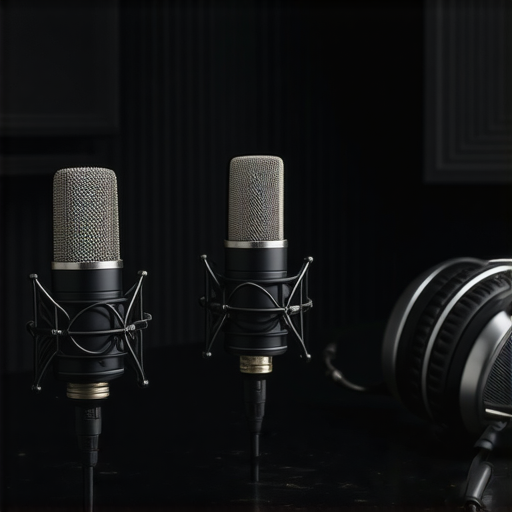
I remember the exact moment I realized my voice sounded like I was recording inside a tin can on my very first podcast episode. It was disheartening—after hours of editing, my self-confidence took a hit because my audio just didn’t resonate. That lightbulb moment pushed me to dig deeper into what was causing the thin, placeholders or hollow sound, and how I could fix it. If you’ve ever felt that your recordings lack fullness or clarity, you’re not alone. Many creators jump into podcasting without really understanding the nuances of sound quality, only to be disappointed later.
Why Your Voice Might Be Sounding Thin and How to Fix It
In the world of audio, especially for streamers and podcasters, your voice is your currency. It’s what keeps listeners engaged and coming back for more. When your recordings sound flat or underwhelming, it can be a major setback, preventing your content from reaching its full potential. The good news? With a few straightforward tweaks—yes, three, just three!—you can amp up your voice’s richness and presence, making your audio as compelling as the stories you’re sharing.
Is Improving Voice Quality Really Worth the Hype?
I must admit, I initially dismissed some of the sound treatment tricks I read about—thinking they were overhyped or too technical. Early on, I made a mistake by investing heavily in shiny equipment without paying attention to the acoustics and microphone placement, which are crucial for getting that full-bodied sound. Trust me, even the best [microphone](https://microphones.creatorsetupguide.com/best-podcast-microphone-2024-top-streaming-voice-recording-tips) can’t make up for poor technique or room acoustics. But once I started focusing on these foundational aspects, my recordings transformed. Are you ready to explore tried-and-true methods to elevate your voice recordings too? Let’s dive into what really makes a difference.
Optimize Your Microphone Placement
Start by positioning your microphone correctly; place it about 6-12 inches from your mouth, slightly below the nose, pointing directly at your lips. This ensures your voice is captured clearly without picking up excessive room noise. I once accidentally placed my streamer’s mic too far away during a live session, resulting in muffled audio. Adjusting it closer and angling it properly immediately improved clarity.
Use a Pop Filter to Reduce Plosives
Attach a pop filter or foam windscreen in front of your microphone. This simple device blocks sudden bursts of air that cause harsh sounds, especially on words like “P” and “B.” During my first recording, skipping this step led to popping sounds that distracted listeners. After adding a pop filter, my voice sounded smoother and more professional.
Control Your Environment for Better Sound
Choose a quiet, echo-free space for recording. Soft materials like blankets, carpets, and foam panels absorb unwanted reverberations, making your voice stand out clearly. I once recorded in a bare room filled with hard surfaces; the reverberation made my voice sound hollow. Moving to a closet stuffed with clothes transformed my recordings into warm, full-bodied audio, akin to professional studios.
Apply Basic Acoustic Treatment
Invest in affordable acoustic panels or DIY solutions like hanging thick blankets on walls. These reduce echo and background noise. Even a simple setup of a few mounted rugs can make a difference. I experimented with hanging blankets and noticed an immediate improvement in how my voice sounded—less room tone, more presence.
Manage Microphone Gain and Settings
Set your microphone gain to a level that captures your voice clearly without clipping. Use your recording software to monitor levels; aim for peaks around -6dB. When I first started, I kept gain too high, causing distortion. Lowering it and tuning the input level created a more natural and full sound. For detailed guidance, check the [ultimate guide to streaming microphones](https://microphones.creatorsetupguide.com/ultimate-guide-to-streaming-microphones-best-voice-recording-gear-for-2024).
Utilize Software Enhancements Seductively
Use subtle equalization (EQ) adjustments to boost low-mid frequencies, enriching warmth, and slightly cut high frequencies to remove harshness. A touch of compression helps even out volume differences, making your voice more consistent. I learned this the hard way, over-processed audio sounded unnatural. Start with small tweaks; your voice will feel full and balanced. For specific techniques, explore the [ultimate guide to voice streaming microphones](https://microphones.creatorsetupguide.com/ultimate-guide-to-top-voice-streaming-microphones-for-podcasters-2024).
Practice Consistent Technique
Consistent speaking distance and posture directly impact your sound quality. Use a stand or boom arm to keep the mic steady. I found that leaning in too close or shifting position caused volume inconsistencies. Practicing a routine—sitting upright, maintaining distance—ensures every take sounds uniform and full. Recording in a similar manner each time enhances your voice’s fullness naturally.
Regularly Review and Adjust
Listen to your recordings critically; note when your voice sounds thin or muffled. Make incremental adjustments based on what you hear. As I refined my setup, I recorded short samples, tweaking placement and settings until I achieved a warm, full tone. This iterative process is vital—small changes accumulate into professional sound quality.
While many beginners focus solely on choosing between USB and XLR microphones or splurging on high-end gear, they often overlook the subtle factors that truly influence audio quality. Let’s dig deeper into common misconceptions and advanced pitfalls that even seasoned streamers and podcasters can fall into, ensuring your setup isn’t just flashy but technically sound.
Why Hearing Is Not the Same as Listening
It’s a prevalent myth that upgrading your microphone or interface automatically elevates your sound. However, room acoustics, microphone placement nuances, and proper gain staging are often the real game-changers. A study from Sound on Sound highlights how untreated rooms can muddy even the best gear, making your audio seem thin or overly reverberant despite your top-tier microphone.
For instance, many assume that a USB microphone is inherently inferior to an XLR setup. Still, with correct placement and environment, a good USB mic can outperform a poorly set up XLR system. It’s all about mastering the nuances—something many overlook in their quest for the latest equipment.
Common Mistakes That Sabotage Your Audio
One critical error is neglecting the importance of proper gain control. Cranking gain high may seem to amplify your voice, but it introduces noise and distortion, lowering overall clarity. Instead, setting optimal gain levels—alongside meticulous mic placement—saves you from having to rely on excessive post-processing.
Another widespread trap involves thinking that software enhancements alone will fix poor hardware fundamentals. Equalizers and compressors are tools, not magic wands. They can’t recover a fundamentally flawed recording; instead, focus on capturing the best possible dry sound first.
Advanced Question: How Can I Achieve a Pro-Grade Sound with Budget Gear?
Achieving studio-quality audio with modest investments is possible, but it requires strategic choices. Focus on acoustic treatment, precise microphone placement, and understanding your gear’s limitations. For example, selecting the right microphone for your voice and workspace makes a difference. Pair that with inexpensive DIY treatments like foam panels or blankets, and you’ll notice a significant upgrade—often more than just buying new gear.
Remember, the real secret lies in mastering these little nuances—something that sets pros apart from amateurs. Don’t be fooled into thinking gear alone will do the trick; fine-tuning your environment and techniques is where true improvement lives. Have you ever fallen into this trap? Let me know in the comments.
Implement Regular Checks with Reliable Tools
To ensure your microphone and recording setup consistently deliver high-quality audio, invest in tools that make maintenance straightforward. I personally rely on a digital multimeter to verify cable integrity, especially for XLR connections, which can suffer from corrosion or loose pins over time. A small, handheld microphone tester can quickly identify if your mic capsule is functioning properly before recording sessions, saving time and frustration. Additionally, software-based tools like noise gate analyzers help detect and eliminate background hums or electrical interference that creeps in, especially if you use a streaming mic daily. Regularly integrating these checks minimizes downtime and prolongs the lifespan of your gear.
Maintain and Clean Your Equipment
Microphones, especially sensitive condenser or dynamic types, accumulate dust and grime that can degrade sound quality. I recommend gently cleaning your mic with a soft, lint-free cloth and using a brush or compressed air to clear dust from grille apertures. For XLR cables, periodically inspect for cracks or wear, replacing them before failure disrupts recording. Applying a contact cleaner designed for audio gear—notably on connectors—can restore good conductivity and prevent static noise. As someone who frequently switches between a professional XLR microphone and a USB setup, diligent maintenance of cables and connectors has saved me from costly replacements and compromised recordings.
Plan for Long-Term Improvements and Scaling
In the evolving landscape of content creation, scaling your setup is inevitable. Start by documenting your current equipment status and noting recurring issues during recordings. This habit allows you to identify whether bottlenecks are due to aging gear or setup flaws. As your audience grows, consider integrating a backup microphone or an audio interface with better shielding, like those with shielded connections to reduce interference. For instance, upgrading from a basic USB mic to a dual-channel audio interface enables multi-mic recording, which is ideal for interviews or higher-production podcasts. Planning this transition carefully ensures seamless scalability without sacrificing audio quality.
How do I maintain my audio gear over time?
Developing a routine for gear assessment—say, quarterly inspections of cables, pre-emptive cleaning of connectors, and software updates—keeps everything running smoothly. Investing in tools like cable testers and contact cleaners streamlines this process. Additionally, always store your equipment in a cool, dry place to prevent corrosion or damage. Practicing this proactive approach not only preserves your gear but also guarantees your recordings stay crisp and professional, episode after episode. Want a practical tip to start with? Try using a microphone tester to verify your XLR cables before every recording. It’s a small step that can save hours of troubleshooting later. Remember, consistent maintenance is key to long-term success in voice recording and streaming.
What No One Tells You About Making Your Voice Sound Pro
One of the most eye-opening lessons I learned was that high-end gear is only part of the equation. Even with the latest podcast microphones, your environment, placement, and technique fundamentally shape your sound. The realization that acoustic treatment, rather than just equipment upgrades, often makes the bigger difference was a game-changer.
Another unexpected insight was the misconception that software can fix poor recordings. Subtle EQ and compression are powerful tools, but only if your initial capture is good. Over-processing a thin, muffled recording can’t fully rescue your audio—it’s about getting it right at the source, from mic positioning to gain staging. Trust me, mastering these foundational habits saves countless hours in post-production.
Lastly, I discovered that consistency in technique is vital. Developing a routine—like maintaining proper distance and posture—ensures every episode sounds professional. Small tweaks, such as regular mic checks and environment adjustments, compound over time, elevating your overall voice quality beyond expectations.