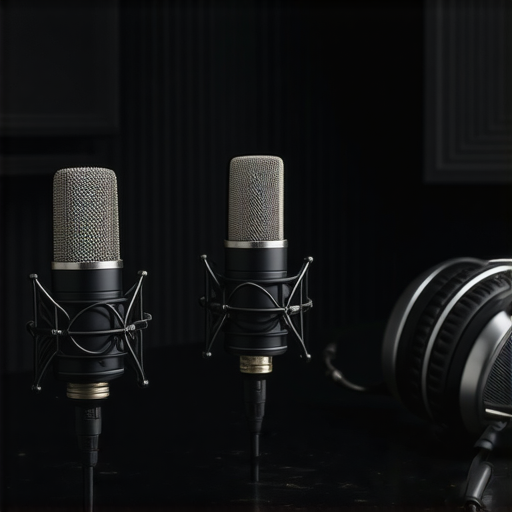
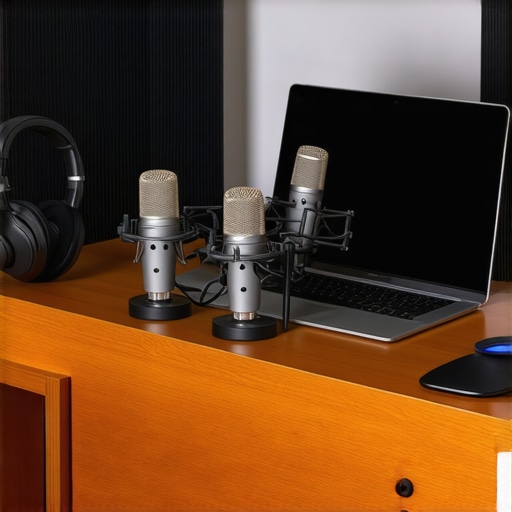
I remember the frustrating hours I spent trying to find the perfect microphone for my first podcast. Nothing sounded right—my voice was muffled, distant, or just plain off. I’d spend hours fiddling with settings, buying gear that seemed promising but didn’t deliver what I needed. It was a lightbulb moment when I finally realized that choosing the right microphone isn’t about the most expensive gear or the coolest features, but about understanding what truly makes your voice stand out. And trust me, in 2024, with so many options out there, it can be downright overwhelming.
Why the Right Microphone Makes or Breaks Your Content
Let’s face it—your voice is your brand. Whether you’re hosting a podcast or streaming live, your microphone is your most important tool. A good microphone captures your voice clearly and authentically, without background noise or distortion. It’s the difference between sounding professional and amateurish. And with the rise of high-quality content, listeners and viewers have come to expect crisp, clear audio. Surprisingly, a poor microphone can sabotage your credibility faster than a bad video quality ever could, according to recent industry surveys.
Early in my journey, I made the mistake of thinking that any microphone would do. I bought a cheap USB mic, convinced it would be enough. Nope. It picked up every creak, every background hum, and made my voice sound flat. That’s when I discovered the importance of investing in the right gear. If you’re serious about leveling up your podcast or stream, understanding what options are available and what features matter most can save you time, money, and frustration.
In this post, I’ll guide you through the best USB and XLR microphones for 2024, sharing insights from my personal experience and industry experts. Whether you’re a beginner or a seasoned creator, I’ll help you find a microphone that fits your needs and budget. Ready to ditch the guesswork and start sounding your best? Let’s dive in.
Is All the Hype Around Microphones Just Noise?
One common fear I hear from fellow creators is, “Will spending a lot on a microphone really make a difference?” Early on, I believed that more expensive gear automatically meant better sound. That’s not always true. For example, I once upgraded to a high-end XLR microphone, only to realize I’d overlooked the importance of proper setup and acoustics. The mistake was thinking that gear alone would fix everything. The truth is, the right microphone paired with good technique, room treatment, and proper settings is what truly makes your audio shine. If you’re curious about which mics are worth the investment, check out the comprehensive guide on [best USB & XLR microphones for professional podcasting in 2024](https://microphones.creatorsetupguide.com/best-usb-xlr-microphones-for-professional-podcasting-streaming-in-2024-2).
Choose the Right Microphone for Your Voice
Start by assessing your specific needs—do you prioritize portability, ease of use, or highest sound quality? I remember when I switched from a budget USB mic to a mid-range XLR setup; the difference in clarity was astonishing. For beginners, a solid USB microphone like the best USB microphone in 2024 can be perfect. More experienced creators aiming for professional sound should consider investing in an XLR microphone for high-end production. Selecting the right mic is about matching your voice and environment to the gear that enhances your sound without overwhelming your budget.
Match Your Microphone with Your Recording Environment
Think of your space as the canvas for your voice. A lively, echo-prone room can turn a good microphone into a source of frustration. I once recorded in a room with bare walls, which caused my voice to bounce around and create echo. To fix this, I added some soft furnishings and used a cardioid mic that focuses on your voice while rejecting background noise. For optimal results, consider a mic with directional pickup patterns, like a cardioid or supercardioid. This setup minimizes room noise and helps your voice stand out clearly. Remember, pairing your mic with room treatment enhances quality more than any high-end gear alone.
Set Up Your Microphone Correctly
Proper placement is crucial — think of your microphone as a speaker in a concert. Position it about 6-12 inches from your mouth, slightly off-axis to avoid plosive sounds. I once made the mistake of placing my mic directly in front of my mouth, which caused harsh ‘p’ and ‘b’ sounds. Using a pop filter (a simple foam or mesh screen) helps soften these sounds and protects your mic from moisture. Adjust gain levels so your voice peaks around -6 dB, avoiding distortion. Check your audio with a quick recording; listen carefully for background noise, pops, or muffled sound. For detailed guidance, see the microphone setup tips in 2024.
Optimize Your Audio Settings
Once physically set up, tweak your audio software settings. Use a good digital audio workstation (DAW) or streaming software to control input levels, EQ, and noise suppression. I recommend setting your input gain carefully—too high, and you’ll get clipping; too low, you lose detail. Use filters like a low-cut or high-pass filter to remove rumble and hum. For clarity, apply gentle EQ boosts around 3-5 kHz to enhance vocals, but avoid overdoing it. Many creators overlook this step, but it can dramatically improve your audio quality, making your voice crisp and professional. For more on software optimization, visit the software setup techniques for 2024.
Test and Tweak Regularly
Creating great audio is an iterative process. I once recorded several episodes, only to realize later that my levels were inconsistent. Regularly testing your setup by recording short clips and listening critically helps identify issues. Use headphones to monitor your voice in real-time, catching background noise, distortions, or muffling before going live. Adjust your mic placement, gain, or software filters as needed. Remember, even the best gear needs fine-tuning to perform at its best. Continuous testing ensures your audience always hears your best sound.
Leverage Resources and Expert Advice
Finally, stay informed with the latest gear reviews and setup tips. Expert guides like the ultimate microphone guide for 2024 are invaluable. They provide insights into new technology, best practices, and how to troubleshoot common issues. Over time, this knowledge helps you make smarter choices and build a setup that grows with your skills.
Many creators fall into misconceptions that hinder their audio quality and overall setup. Let’s dig deeper into what most people get wrong about microphones and how you can avoid these pitfalls to elevate your content. One widespread myth is that the most expensive microphone automatically guarantees professional sound. While high-end gear can help, it’s often paired with improper setup or poor room acoustics that negate its benefits. For instance, a top-tier XLR microphone like the best XLR microphones for high-end production won’t deliver stellar results if your environment isn’t sound-treated. Remember, gear is only part of the equation; technique and environment matter more.
Another common mistake is believing that all microphones are equally suitable for every voice and space. Many newcomers select a microphone based solely on reviews or buzz, without considering their unique voice or room characteristics. For example, a cardioid pattern microphone like the cardioid or supercardioid picks up sound primarily from the front, which is perfect for noisy environments but might not suit a quiet, small room. Matching your mic type and polar pattern to your environment and voice ensures clearer, more natural recordings.
A sneaky trap many overlook is the importance of correct microphone placement and gain settings. It’s tempting to set your gain high in the hope of capturing more voice, but this can lead to distortion and unwanted background noise. Conversely, setting gain too low results in weak audio. The sweet spot lies in careful adjustment, with levels peaking around -6 dB, and proper placement about 6-12 inches from your mouth. Even a great microphone like the best streaming microphone for voice clarity can sound terrible if misused.
Now, here’s a question that advanced creators often ask: **Why does my microphone sound good in the studio but terrible in my room?** The answer lies in acoustics. Many assume that a microphone alone can compensate for poor room treatment, but that’s a myth. The room’s shape, furnishings, and background noise significantly affect sound quality. Investing in basic room treatment—like soft furnishings, bass traps, and a mic with directional pickup—can transform your audio. For detailed strategies, check out the ultimate guide to microphone types for voice.
Finally, a mistake I see often is neglecting software calibration. Many creators skip fine-tuning EQ, filters, and noise suppression, thinking their hardware does all the work. However, post-processing in your DAW or streaming software can make a huge difference. Applying a gentle high-pass filter removes rumble, and subtle EQ boosts around 3-5 kHz enhance clarity. Expert sound engineers like those cited in industry studies emphasize that software optimization is key to professional-sounding audio.
Have you ever fallen into this trap? Let me know in the comments, and remember: sound quality is a blend of the right gear, environment, and technique — get all three right, and your audience will thank you.
Once you’ve chosen the perfect microphone for your setup, maintaining it becomes crucial to ensure consistent, professional sound quality over time. Regular upkeep not only extends the lifespan of your gear but also helps prevent unexpected issues that could disrupt your recordings. In 2024, staying on top of your microphone’s health involves a mix of simple routines, investing in the right tools, and following best practices for long-term performance.
How do I keep my microphone in top shape as the years go by?
First, a dedicated cleaning routine can make a big difference. Dust, moisture, and debris can accumulate on your mic—especially if you record frequently or in different environments. I personally use a soft, lint-free cloth to wipe down the exterior after each session. For more thorough cleaning, a small brush or compressed air can help dislodge particles from grill covers or ports. Avoid harsh chemicals; instead, opt for gentle, electronics-safe cleaners when necessary.
Second, investing in protective accessories is a smart move. A high-quality pop filter and a shock mount not only improve audio quality but also shield your microphone from physical shocks and plosives. When I upgraded to a shock mount, I noticed a significant reduction in handling noise, which kept my recordings cleaner for longer.
Third, keep your connections secure. Use high-quality XLR cables or USB connectors, and regularly inspect them for wear or damage. Loose or frayed cables can introduce noise or cause intermittent audio. When I detect crackling or dropouts, I replace or re-secure my cables immediately. This simple step prevents many common issues and saves time in troubleshooting.
Fourth, consider software tools for ongoing maintenance. Noise suppression plugins, EQ presets, and gain control help keep your audio consistent. I use software like noise reduction plugins to minimize background hum and ensure my voice remains clear, even after months of use.
Finally, schedule periodic check-ins to review your setup. Testing your microphone with a quick recording and listening critically can reveal issues like deteriorating sound quality or equipment misalignment. Over time, small adjustments—like repositioning the mic or fine-tuning software settings—can maintain your professional tone without needing to upgrade hardware prematurely.
Looking ahead, the trend points toward smarter, self-diagnosing gear that alerts you to potential issues before they become major problems. Companies are developing microphones with built-in health monitoring features, integrating with apps that provide maintenance alerts. Staying updated with these innovations ensures your setup remains cutting-edge and reliable.
Don’t wait until your microphone’s performance drops—try implementing a regular cleaning routine and investing in protective accessories today. These small steps can save you headaches and money down the line, keeping your audio pristine and your content professional. Remember, consistent maintenance is the foundation of long-term success in your podcasting or streaming journey.
When I first started podcasting, I underestimated how vital a good microphone truly is. I thought a cheap USB mic would suffice, but the sound was often muffled or distant. It took a lot of trial and error before I realized that the secret isn’t just in picking the most expensive gear but in understanding how to optimize your microphone setup for your unique voice and space. In 2024, this knowledge is more important than ever, with countless options available that can easily overwhelm even seasoned creators.
Lessons the Microphone Industry Won’t Tell You
- High price doesn’t always mean high quality. I learned this the hard way. A top-tier XLR mic can sound terrible if your environment isn’t sound-treated or if you don’t know how to set it up properly. Investing in good gear is important, but pairing it with proper technique is what elevates your audio.
- Room acoustics matter more than gear. I used to believe that a fancy microphone could fix a echo-prone room, but I was wrong. Soft furnishings, strategic placement, and directional mics are your best friends for clear recordings.
- Regular maintenance extends your gear’s lifespan. Simple routines like cleaning, checking connections, and proper storage prevent issues and keep your sound crisp over time. I now schedule monthly checks to keep my gear in top shape.
- Software fine-tuning can make or break your sound. Proper gain staging, EQ, and noise suppression are essential. Even the best microphone can sound amateurish if your settings are off. I use software tools to monitor and adjust my audio in real-time, which helps me catch issues early.
Boost Your Knowledge with These Tools and Resources
- Best USB & XLR Microphones for 2024 — My go-to guide for comparing top models and understanding their strengths and weaknesses.
- Ultimate Voice Microphone Guide 2024 — This comprehensive resource helps me choose the right mic based on my voice and environment.
- Microphone Types Explained — Knowing the differences between cardioid, supercardioid, and omnidirectional mics has improved my recording quality significantly.
- Streaming Microphones for Voice Clarity — My secret weapon for achieving professional sound on a budget.
Your Next Step Toward Better Sound
Remember, mastering your microphone setup isn’t just about buying the right gear; it’s about understanding how to care for it, optimize it, and adapt it to your environment. With consistent effort, your audio will improve, and your audience will notice the difference. The future of microphone technology in 2024 promises smarter, more intuitive gear, but the foundation remains the same: knowing what to do with your equipment makes all the difference.
What’s the biggest challenge you’ve faced in setting up your microphone? Share your story below—I’d love to hear how you’re making your sound better!