My Journey into the World of Podcasting and Streaming Microphones
When I first decided to start my own podcast, I was overwhelmed by the variety of microphones available. I remember spending hours researching, reading reviews, and even testing out a few models in local stores. My personal experience taught me that choosing the right microphone is crucial for producing professional-sounding content. Over the years, I’ve refined my setup, and now I want to share my insights on the top podcast and streaming microphone options for 2024, so you can avoid some of the common pitfalls I encountered.
What Makes a Microphone Perfect for Podcasting and Streaming?
In my experience, a good podcast microphone should capture clear vocals while minimizing background noise. It’s about balancing quality and convenience—whether it’s a USB mic for quick setup or an XLR mic for studio-quality sound. I’ve found that condenser microphones excel at capturing voice, especially in controlled environments, but dynamic microphones can be better if you’re recording in noisy spaces. For my setup, I prioritize models that are versatile, durable, and provide excellent sound quality without breaking the bank.
My Favorite Microphones for 2024: What I Recommend
After testing numerous options, here are my top picks for 2024:
- Shure SM7B: This dynamic microphone has become my go-to for voice clarity. It’s a bit pricey and requires an audio interface, but the sound it delivers is worth every penny. It’s also great at rejecting background noise, which is essential for my home studio. For more details, check out the comprehensive review on best XLR microphones for podcasts.
- Blue Yeti X: If you’re looking for a plug-and-play USB microphone, I highly recommend the Blue Yeti X. It’s easy to set up and offers multiple pattern modes, making it flexible for different recording scenarios. I often use it for quick interviews or live streaming sessions.
Why I Switched to XLR Microphones: A Personal Reflection
Initially, I started with USB mics because of their simplicity. But as I became more serious about audio quality, I transitioned to XLR microphones. The sound quality improvement was noticeable, and it allowed me to upgrade my audio interface and studio setup gradually. This layered approach has made my recordings sound more professional. If you’re interested in exploring XLR gear, I recommend starting with models like the top voice recording microphones.
How Do I Choose the Right Microphone for My Unique Needs?
What factors should I consider when selecting a microphone for streaming or podcasting?
Great question! I always consider the recording environment, budget, and the type of content I produce. For example, if I record in a noisy space, I prefer dynamic microphones. If I want studio-quality sound and have a dedicated room, condenser mics are my choice. Additionally, I look for durability and compatibility with my existing gear. For detailed guidance, consulting authoritative sources like top voice recording gear can be very helpful.
If you’re still unsure, don’t hesitate to ask questions or share your experiences in the comments. I love hearing how fellow creators approach their audio setups!
Understanding the Nuances of Microphone Polar Patterns for Optimal Sound
One of the often-overlooked yet critical aspects of selecting a microphone is understanding its polar pattern. This dictates how the microphone picks up sound from different directions, significantly impacting your recording quality. For example, cardioid microphones are excellent at capturing vocals directly in front of them while rejecting noise from the sides and rear, making them ideal for studio environments or controlled spaces. Conversely, omnidirectional microphones pick up sound equally from all directions, which might be suitable for capturing ambient sounds or group recordings.
Can Microphone Build Quality Influence Long-Term Recording Consistency?
Absolutely. A well-built microphone not only ensures durability but also maintains consistent sound quality over time. Cheaply made microphones might suffer from issues like capsule deterioration, inconsistent frequency response, or mechanical failures. Investing in reputable brands and models known for their robust construction can save you money and frustration in the long run. For instance, models like the best USB and XLR microphones are crafted with quality materials that withstand the rigors of frequent use.
How Does Room Acoustics Interact With Microphone Choice?
Room acoustics play a pivotal role in the final sound quality. Even the most expensive microphone cannot fully compensate for a poorly treated space. To optimize your setup, consider acoustic treatments like foam panels, bass traps, and diffusers. These improvements reduce echo and background noise, allowing your microphone’s characteristics to shine through. For example, a dynamic microphone paired with a treated room can produce a clean, professional sound without the need for extensive post-processing. Exploring resources such as the top voice recording gear can provide further insights into aligning microphone choices with your environment.
What Are the Practical Considerations When Upgrading Your Microphone Setup?
Beyond technical specifications, practical factors like ease of use, portability, and compatibility matter. If you record on the go, a compact USB microphone might be more suitable than a bulky XLR setup. For studio recordings, investing in a high-quality microphone and interface can elevate your sound to professional levels. Additionally, consider the learning curve associated with each setup—some microphones require additional gear or software, which might influence your choice. As an expert, I recommend exploring detailed reviews and guides to understand how each element fits into your workflow, such as the comprehensive information provided at top voice recording microphones.
Have you experienced challenges integrating new microphones into your setup? Share your stories or ask questions in the comments—sometimes, the smallest adjustment can make the biggest difference in your audio quality!
What Are the Hidden Nuances of Microphone Quality That Impact Long-Term Production?
Over the years, I’ve come to realize that my initial focus on sound clarity was just the tip of the iceberg. Microphone build quality, for example, has revealed itself as a subtle yet profound factor that influences not just durability but also the consistency of your recordings over time. When I first invested in a high-end microphone like the best USB or XLR microphones, I didn’t anticipate how much the robust construction would help maintain a stable sound profile through months of daily use. This stability is essential for creators who aim for professional-grade output without constantly troubleshooting hardware issues. I’ve seen colleagues and myself encounter capsule deterioration or mechanical failures with cheaper gear, which can be a nightmare when deadlines are tight or when you’re recording hours at a stretch. Investing in reputable brands with proven durability isn’t just about saving money; it’s about ensuring your content remains consistent and reliable. When considering long-term investments, I advise looking beyond specs—think about the materials, the engineering behind shock mounts, and the quality of internal components. It’s an area often overlooked but crucial for serious creators seeking peace of mind and top-tier sound quality, especially in demanding environments.
How Does Room Acoustics Deeply Interact With Your Choice of Microphone Type and Placement?
Room acoustics—an often underestimated element—can make or break your audio quality, regardless of how expensive or sophisticated your microphone is. I learned this firsthand when I upgraded my gear but neglected to address my recording space. The result was still a muddy, echo-laden sound that no amount of microphone tweaking could fix. Since then, I’ve dedicated time and effort to acoustic treatments—placing foam panels, bass traps, and diffusers strategically. This setup allowed my microphones, especially my top voice recording microphones, to perform at their best, capturing clean, natural sound with minimal background interference. Interestingly, I’ve found that the polar pattern of your microphone interacts dynamically with your environment. For example, a cardioid mic positioned correctly in a treated room will produce a remarkably focused vocal, whereas an omnidirectional mic in the same space might pick up unwanted ambient noise. Adjusting microphone placement—like angling your mic or elevating it—further enhances sound quality by optimizing how it interacts with room acoustics. For creators serious about professional sound, understanding these nuances is as vital as choosing the right model. I encourage you to experiment with your space and mic positioning, as sometimes the smallest change can unlock a significant leap in audio clarity.
What Are the Most Overlooked Factors When Upgrading Your Microphone Setup for Future-Proofing?
Beyond choosing the right model, I’ve learned that practical considerations—such as compatibility with existing gear, ease of setup, and portability—are critical for future-proofing your investment. When I transitioned from USB to XLR, I initially underestimated how much additional gear, like audio interfaces and cables, would be necessary. However, this layered approach allowed me to upgrade gradually, ensuring each component matched my evolving needs. For instance, selecting an interface with high-quality preamps and low noise floors made a noticeable difference in my recordings. It also created room for expansion—adding a mixer or additional microphones down the line becomes more seamless when your initial setup is thoughtfully planned. I also advise considering how the gear aligns with your workflow—whether you record mostly at a fixed location or on the move. Lightweight, portable options like compact USB mics are ideal for quick sessions, but if you’re building a home studio, investing in larger, more versatile gear pays off in the long run. Exploring detailed reviews and guides, such as those on top podcast and streaming gear, can help you make informed decisions that stand the test of time. Do you have a setup that’s grown with your projects? I’d love to hear your experiences in the comments—sharing these stories can inspire others to make smarter, more sustainable choices.
Refining Your Microphone Investment: The Long-Term Perspective
While initial sound quality is paramount, the longevity of your microphone plays a crucial role in maintaining consistent production standards over time. My experience has shown that high-quality microphones, such as models from reputable brands like Shure and Neumann, often feature superior capsule engineering and durable chassis materials that resist wear and mechanical stress. This durability not only preserves sound fidelity but also reduces the need for frequent replacements or costly repairs. For content creators aiming for a sustainable setup, I recommend prioritizing microphones with proven longevity, supported by comprehensive warranties and positive user reviews on platforms like best USB and XLR microphones.
Deep Dive into Room Acoustics: Beyond Basic Treatments
Understanding the complex interaction between your microphone and room acoustics can elevate your audio quality from professional to exceptional. I’ve experimented extensively with acoustic treatments, employing not only foam panels and bass traps but also diffusors to break up standing waves and flutter echoes. The goal is to create an environment where your microphone can perform optimally, capturing voice with minimal coloration or ambient noise. For instance, positioning acoustic panels at specific reflection points—identified through hand-clap tests—can dramatically improve clarity. Additionally, integrating spectral analysis tools like Room EQ Wizard helps in diagnosing problematic frequencies, enabling tailored acoustic solutions that align with your microphone’s polar pattern. This meticulous approach transforms a basic recording space into a high-fidelity soundstage, as recommended by experts in audio engineering at top voice recording gear.
Mastering Microphone Placement for Nuanced Sound Capture
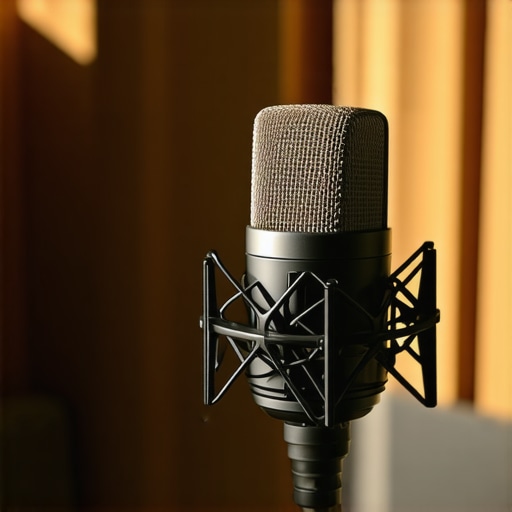
Effective microphone placement is an art that combines understanding of polar patterns, proximity effect, and room interaction. I’ve found that subtle adjustments—such as angling the microphone slightly off-axis or elevating it above desk level—can significantly reduce plosive sounds and room reflections. For instance, with a cardioid mic, positioning it at mouth level and maintaining a consistent distance ensures uniform vocal tone and volume. In more advanced scenarios, employing a shock mount with internal damping isolates vibrations, further refining the sound quality. Moreover, considering the microphone’s polar pattern—whether cardioid, hypercardioid, or figure-eight—guides placement strategies to maximize isolation and minimize bleed from other sources. This nuanced approach to positioning is often the difference between amateur and professional-grade audio, as emphasized in authoritative guides on top voice recording microphones.
Future-Proofing Your Microphone System: Key Considerations
Investing in a microphone setup that adapts to future technological developments is essential. I’ve learned that choosing modular systems—such as XLR microphones compatible with a range of interfaces—provides flexibility for upgrades. For example, starting with an entry-level audio interface and gradually expanding to higher-end preamps or digital mixers can be a cost-effective strategy. Ensuring your gear supports emerging standards like USB-C connectivity or enhanced digital audio formats can prevent obsolescence. Additionally, considering the ecosystem of accessories—such as adjustable mic arms, pop filters, and portable cases—contributes to a resilient setup capable of evolving with your projects. For detailed insights into building a future-proof audio environment, consult resources like top podcast and streaming gear. I encourage fellow creators to share their experiences with adaptable systems, as collective insights often reveal overlooked opportunities for growth and stability in professional audio production.
Things I Wish I Knew Earlier (or You Might Find Surprising)
1. The Polar Pattern Matters More Than I Thought
When I first started, I focused mainly on sound quality specs, but I soon realized that understanding the microphone’s polar pattern dramatically impacts your recordings. For instance, switching from a cardioid to an omnidirectional mic changed everything in my noisy environment, highlighting the importance of selecting the right pattern for your space.
2. Build Quality Can Make or Break Your Long-Term Sound
I underestimated how much the construction of a microphone influences durability. Investing in models with sturdy chassis and reliable internal components meant fewer repairs and more consistent sound over years, saving me time and hassle in the long run.
3. Room Acoustics Are a Hidden Killer of Good Audio
No matter how fancy your mic is, untreated rooms sabotage your sound. I learned to treat my space with foam panels and diffusers, which made my microphone’s true potential shine through, proving that environment is just as crucial as gear.
4. Upgrading Gradually Is Better Than Going All-In Too Soon
Starting with a decent USB mic and gradually adding XLR gear allowed me to learn and adapt without overwhelming myself. This layered approach has kept my setup flexible and cost-effective, and I recommend it to anyone serious about future-proofing their audio.
5. Microphone Placement Is an Art, Not Just a Science
Small adjustments—like angling the mic or elevating it—significantly improved my vocal clarity. Mastering placement helped me get that professional sound without needing expensive upgrades, showing that technique often beats gear.
Resources I’ve Come to Trust Over Time
- Sound on Sound Magazine: An authoritative source for audio engineering insights that helped me understand the nuances of microphone technology.
- Recording Revolution: Their tutorials on mic placement and room treatment are practical and easy to follow, perfect for DIY creators like me.
- Sweetwater Gear Guides: Their comprehensive reviews and buyer’s guides have been invaluable in choosing reliable, long-lasting microphones.
- Room EQ Wizard: A free tool that transformed my understanding of room acoustics, allowing me to optimize my space effectively.
Parting Thoughts from My Perspective
Choosing the right podcast microphone in 2024 isn’t just about specs; it’s about understanding your environment, your needs, and your future plans. I’ve found that investing in quality gear, paying attention to room acoustics, and mastering placement can elevate your recordings from amateur to professional. Remember, a good microphone is an investment in your craft that pays off over time. If this resonated with you, I’d love to hear your thoughts or experiences—sharing stories helps us all grow. Feel free to share this with someone who might find it helpful, and keep creating with confidence!