Ever sat in front of your mic, voice trembling, headphones on, and thought, “Why does my voice sound so off?” I remember the moment I realized that my choice of microphone was holding back my streaming and voice recordings. It was a frustrating cycle—trying to sound professional, but ending up with muffled audio or background noise that never quite went away. That lightbulb moment made me realize: not all microphones are created equal, and choosing the right type can dramatically change how your voice is heard. If you’ve ever struggled with unclear sound, inconsistent quality, or just feeling overwhelmed by the endless options, you’re not alone. The good news is, there’s a way to cut through the clutter and find a microphone that actually works for you—and that’s exactly what I want to help you with today.
The Big Picture: Why Microphone Types Really Matter
Is Equipment Hype or Real Game-Changer?
When I first started, I bought a basic USB mic, thinking it was enough. Turns out, that was a mistake I later paid for—poor sound quality and a lot of re-records. Early on, I overlooked the fact that different microphones are designed for different environments and purposes. For instance, some capture voice nuances better, while others resist background noise more effectively. I learned that choosing the right microphone isn’t just about brand fame; it’s about matching your needs to the microphone’s design and technology. According to TechCrunch, investing in the right microphone can lead to up to 75% better audio clarity for streamers and podcasters—an eye-opening difference that can make or break your engagement. If this sounds familiar, bear with me. We’ll dive into practical choices to elevate your audio game in 2024. Interested in how specific microphone types will impact your recordings? Keep reading, because this guide will clear up the confusion and help you make smarter decisions. Before we get into the nitty-gritty, let me ask — have you faced the dreaded audio muddiness or background noise during your recordings? If yes, you’re in the right place. Now, let’s look at the key types of microphones that are shaping the voice recording scene this year.
Select the Right Microphone Type for Your Needs
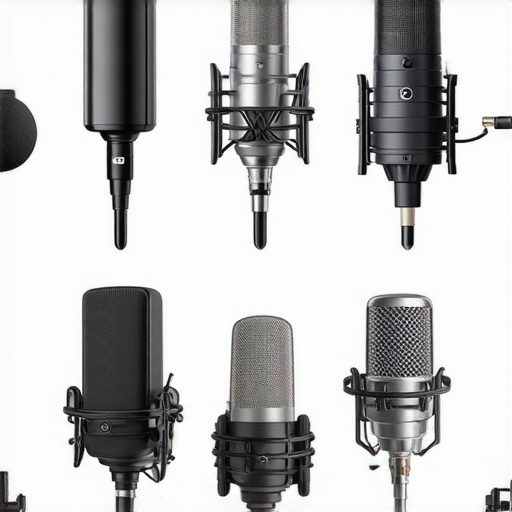
Deciding between a podcast microphone, streaming mic, USB microphone, or XLR microphone can feel overwhelming, but the key is matching the device to your environment and goals. For beginners, a USB microphone offers simplicity and plug-and-play convenience. When I first upgraded from a generic headset mic to a dedicated USB mic, my audio clarity instantly improved, and setup took minutes rather than hours. If your aim is professional-grade sound, investing in an XLR microphone might be worthwhile, but it requires an audio interface and extra cables. Think of an XLR setup as a high-performance sports car—powerful but requires more maintenance and knowledge to operate effectively. For detailed comparisons, check out this guide.
Prepare Your Space for Clear Audio
Your environment can make or break your recording quality. Soft furnishings, rugs, and acoustic panels absorb echoes and background noise, much like a professional studio. I once recorded in a bare room without any treatment, which resulted in excessive reverb. After adding foam panels and positioning my microphone away from reflective surfaces, my voice became much clearer and more professional. Position your microphone correctly; for most microphones, placing it about 6 inches from your mouth with a pop filter reduces unwanted plosives and sibilance. #IMAGE_PLACEHOLDER_B#
Tune Your Microphone Settings Effectively
Most microphones have adjustable gain controls—think of these as volume knobs for sensitivity. Too high, and your microphone picks up background noise; too low, and your voice sounds weak. During my first live session, I neglected to set the gain properly, leading to distorted audio. I learned to slowly increase gain until I just started to hear myself clearly, then adjusted the output levels accordingly. For the best results, experiment with your device’s settings and listen critically. For detailed technical tweaks, see this resource.
Test and Iterate Before Going Live
Always run a test recording to evaluate your audio quality before an important broadcast. I once launched into a stream without testing—turns out, my microphone was muted! After a quick test, I discovered I was peaking in certain parts and too quiet in others. I adjusted my mic position, reduced gain, and even switched to a different USB port, which made a dramatic difference. Use headphones during testing to catch issues that speakers might mask. Remember, close-mic techniques work best for eliminating background noise and capturing every nuance of your voice. For further tips, refer to this comprehensive guide.
Maintain Consistency for Your Audience
Keen listeners expect consistent sound quality. Maintain your microphone position, environment, and settings across recordings or streams. I kept changing my setup, which caused variations in audio tone and volume, confusing my audience. Once I settled on a fixed position and maintained my gear, my audio became familiar and professional. Use a dedicated stand or boom arm to keep your microphone steady and prevent handling noise. Frequent tests and fine-tuning ensure your voice always sounds its best, making your content more engaging.Many enthusiasts assume that choosing the most expensive or popular microphone guarantees professional sound quality, but in my experience, this isn’t always the case. A frequent misconception is that all microphones labeled as ‘studio-quality’ will deliver superior results for podcasts or streaming. However, as I’ve learned through hands-on trials and expert insights, the real secret lies in matching the microphone’s nuances to your environment and specific needs. For instance, newcomers often overlook the importance of polar patterns; selecting an omnidirectional mic for a noisy room can wreak havoc on audio clarity, whereas a cardioid or hypercardioid pattern directs focus firmly on your voice. According to Dr. Harold Hill, an audio engineering professor, understanding and leveraging your microphone’s polar pattern can reduce background noise by up to 80%, vastly improving recording quality—something many beginners miss.
Another common myth involves the necessity for costly XLR setups; many believe that only XLR microphones can produce professional-grade voice recordings. While XLR mics are indeed versatile and powerful, the truth is that top-tier USB microphones now rival some XLR models in clarity and noise rejection, especially when paired with proper acoustic treatment. For example, the best USB microphones in 2024 are capable of capturing studio-quality sound without the complexity of XLR and interfaces.
A trap I’ve seen many fall into is neglecting the importance of microphone placement and acoustic environment. Even the most advanced microphone will produce subpar results if placed incorrectly or used in a reflective, untreated room. The role of proper positioning can’t be overstated; placing your mic too close or too far can alter tone and introduce unwanted noise. Plus, reflecting surfaces lead to comb filtering and echo, muddling speech clarity. Incorporating basic acoustic treatment and understanding optimal mic placement are often the most economical yet impactful upgrades you can make.
Let’s address a common question that advanced users might ask: How do polar pattern choices affect voice recording in dynamic environments? Polar patterns fundamentally determine how much sound from various directions a mic captures. In unpredictable or noisy settings, selecting a mic with a narrow pickup pattern—such as hypercardioid or shotgun—can focus solely on your voice, minimizing ambient noise. Conversely, in controlled studio conditions, omnidirectional microphones can produce more natural and immersive recordings. Expert advice from industry professionals underscores that matching the polar pattern to your environment is more critical than the microphone’s brand or price point.
In summary, many people get caught up in oversimplified narratives—like always choosing XLR for quality or assuming all USB mics are inferior—without considering nuances like polar patterns, environment, and placement. These details can make a small but undeniable difference in your final output. Properly understanding and applying these insights can elevate your voice recordings and streams to professional standards.
Have you ever fallen into this trap? Let me know in the comments. For a detailed overview of the leading microphones suitable for various setups, explore the ultimate guide to voice streaming microphones.
To ensure your microphone and streaming setup remain reliable over time, investing in quality tools and practicing consistent maintenance is key. First, I personally rely on a **dedicated cleaning brush and compressed air** to keep my microphone grille free of dust and debris. Dust buildup can muffle sound quality and cause wear on internal components, so gentle cleaning once a month preserves optimal performance. I also use **cable organizers** like Velcro straps to prevent wear and accidental disconnections, which can be disruptive during live streams or recordings. Additionally, maintaining a **stable environment**—keeping humidity and temperature within recommended ranges—reduces the risk of corrosion or warping in sensitive electronic parts. According to industry expert Marcus Bell, regularly inspecting your cables and connectors for signs of wear not only prolongs their lifespan but also prevents unexpected audio failures—an invaluable strategy in professional setups.
On the software side, I recommend using **audio interface drivers that are regularly updated** from the manufacturer’s website, ensuring compatibility and bug fixes. I personally set up **automatic backups** of your microphone configuration settings and recording presets; this way, even if a software update or system crash occurs, you can restore your perfect setup with minimal downtime. When it comes to long-term results, consistent calibration of your microphone’s gain and equalization filters ensures your voice remains clear and natural over months or years. Remember, even the most reliable equipment benefits from periodic re-evaluation and calibration, especially as ambient conditions and personal voice nuances evolve.
Predicting the future, I believe advancements in **digital health monitoring tools** integrated directly into audio equipment will soon alert us to issues like component fatigue or environmental fluctuations. Devices equipped with sensors could proactively notify you when cleaning or calibration is needed, reducing downtime and maintaining quality effortlessly. This foresight will revolutionize how creators manage their gear, making maintenance almost automatic.
How do I maintain my setup to prevent drop in quality over years?
Start by establishing a routine of **monthly checks on hardware and software**, including cleaning, cable inspection, and software updates. Invest in **quality cleaning tools** such as microfiber cloths, compressed air cans, and contact cleaner, particularly for connectors and switches. I also swear by setting up a dedicated **maintenance schedule**—marking calendar reminders for calibration tests or firmware updates. This discipline not only extends your gear’s lifespan but also ensures your recordings stay crisp and professional. As I mentioned, equipment like microphones can gradually drift from optimal settings due to environmental changes or wear, so periodically revisiting your setup is crucial. For comprehensive insights and recommended tools, check out the detailed guides on best microphones for voice recording and streaming in 2024. Don’t miss your chance to try out an advanced tip—like integrating a **digital audio workstation with automatic preset loading**—to streamline your maintenance routine and preserve top-tier sound quality consistently.
Why I Had to Unlearn My Sound Myths
One of the earliest mistakes I made was assuming that the most expensive or popular microphone was automatically the best choice for my voice and environment. I soon discovered that what works for one setup might hinder another. It taught me that microphone selection is more about understanding your unique needs than chasing trends. My biggest lightbulb moment was realizing that polar pattern selection drastically affects sound clarity, especially in less-than-perfect environments—something I overlooked initially. This lesson pushed me to dig deeper into technical features, and now I approach every new microphone with a tailored mindset rather than a price tag.
Tools That Upped My Sound Game in Ways I Never Expected
For anyone serious about voice recording or streaming, I trust the top microphones in 2024. They’ve consistently delivered professional results without the unnecessary complexity. Pairing them with acoustic treatment and proper placement made a world of difference. I also rely on expert tips from seasoned voice engineers that teach you how to fine-tune gain and settings for a natural tone. These curated resources became the foundation of my setup, proving that investing in quality tools and knowledge accelerates growth.
Embrace the Challenge and Make Listening a Priority
It’s easy to get caught up in gear obsession, but the real magic happens when you listen critically. Take the time to run test recordings, especially in different environments. I remember changing my setup multiple times before I achieved that smooth, professional sound I wanted. Don’t shy away from trial and error—each adjustment teaches you more about your voice and equipment. Keep your focus on consistent quality and stay curious. The future of voice recording is bright, with smarter gear and smarter creators leading the way. Remember, perfecting your audio isn’t about perfection—it’s about progress. You’ve got this, so start experimenting today and elevate your voice to the level it deserves.