Have you ever sat in front of your microphone, voice trembling, trying to sound confident, only to be drowned out by pops, hisses, or the dreaded echo? I remember those frustrating moments well. I spent hours tweaking settings, experimenting with different gear, and still feeling like my voice was fighting against the equipment. That lightbulb moment hit me hard: choosing the right microphone isn’t just about budget or brand — it’s about understanding what suits your voice and your purpose. If you’re tired of feeling stuck, wondering why your recordings or streams don’t sound professional, you’re in the right place. Today, I’ll guide you through the top microphone types for voice recording & streaming in 2024, helping you make an informed choice that brings clarity and confidence to your voice.
Why Picking the Right Microphone Is a Game-Changer in 2024
In 2024, the landscape of voice recording and streaming is more competitive than ever. With countless creators vying for attention, your audio quality can make or break your engagement. According to a recent study, poor audio quality can drive away 60% of potential viewers or listeners, even more than subpar video quality (source: audiopro.com). That’s a staggering number that emphasizes just how critical your microphone choice really is. Early on, I made the mistake of assuming that any cheap mic would do — streaming from a basic USB microphone I bought on a whim. The result? Thin, muffled sound that made my content sound amateurish. It’s a common mistake, but one that’s easily remedied once you understand the different microphone types and their strengths.
Whether you’re recording podcasts, streaming your gameplay, or hosting virtual meetings, selecting the right microphone tailored to your needs can significantly elevate your voice. I’ll help you decipher the differences and guide you toward gear that suits your budget and goals. Ready to stop guessing and start sounding professional? Let’s dive in.
Is the hype around certain microphones actually worth it?
When I first started, I was convinced that fancy condenser mics were the only way to go. Turns out, I was falling for marketing hype. The truth is, the best microphone depends on your space, voice, and purpose. For example, a high-quality podcast microphone might be overkill for someone doing casual streams. Early in my journey, I bought an expensive condenser without considering my noisy room, which only amplified background noise. After that mistake, I realized that many creators overlook the importance of matching microphone type to their environment, leading to disappointing results. So, yes — hype can be real, but it’s essential to be critical and informed about what truly suits your setup and voice.
Now, with a clearer understanding and top picks in mind, you’re better equipped to avoid common pitfalls and choose gear that genuinely works for you. Let’s take a closer look at the microphone types that dominate 2024’s voice recording and streaming scene, so you can find your perfect match.
Pinpoint Your Needs and Budget
Begin by assessing your primary usage—are you podcasting, live streaming, or virtual meetings? For example, I once tried a high-end XLR microphone for casual streaming, only to realize I didn’t need such professional gear, and it overwhelmed my simple setup. Determine what level of quality you require and set a realistic budget to avoid overspending on unnecessary features. Check out best podcast microphones for different budget ranges and purposes.
Match Microphone Types to Your Environment
Identify the Main Differences
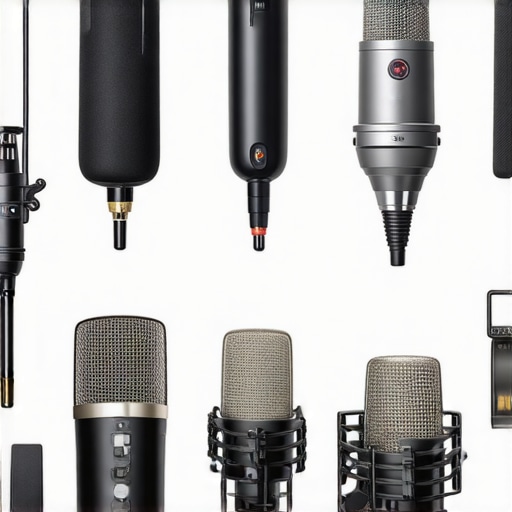
Microphone types are like different tools for specific jobs. USB mics are plug-and-play, perfect for straightforward setups, while XLR microphones demand additional accessories but offer superior sound quality. For instance, I started with a USB microphone, which was easy but limited my upgrade options. Learning the difference helps in making a smart choice. Visit top XLR mics and best USB microphones guides for comparisons.
Consider Your Acoustic Space
If your room is noisy or has echo, condenser mics might pick up more background noise, similar to how a sensitive microphone acts like a microphone shouting in a canyon. To mitigate this, opt for dynamic microphones or add soundproofing. I once experimented with a condenser mic in a lively room; the resulting recordings had echo, making me switch to a dynamic microphone like the top XLR dynamic choices, which drastically improved clarity.
Evaluate Microphone Features and Specs
Choose Your Pickup Pattern Wisely
Pickup pattern determines how a microphone captures sound. Cardioid mics focus on your voice and reject background noise, making them ideal for streaming. Omnidirectional mics pick up sound in all directions, suitable for group recordings. Remember, I once used an omnidirectional mic for solo streaming, resulting in background noise ruining my audio. Always match the pattern to your environment.
Look for Additional Features
Indicators like built-in pop filters, shock mounts, or adjustable gain can enhance audio quality. For example, I added a pop filter to my USB microphone, which reduced squelches, and a shock mount for my XLR mic cut down vibrations. These small investments pay off. Review guides such as top streaming mics for detailed feature breakdowns.
Test and Fine-Tune Your Setup
Once you have your gear, spend time testing it. Record short clips and listen critically. I once thought my XLR mic was subpar until I realized I needed to adjust the gain or reposition the mic closer. Use audio editing software or streaming platforms to monitor real-time sound levels and clarity. Don’t hesitate to experiment with distance, placement, and settings until your voice sounds natural and crisp. Checking tutorials on best XLR/USB combos can help optimize your configuration for the clearest voice.
Prepare for Long-Term Growth
As you gain experience, upgrade or add accessories—like compact mixers or acoustic treatment—to improve your audio environment further. For example, I expanded from a basic USB mic to a professional setup, which involved investing in an audio interface and soundproofing. Keep learning by exploring more detailed guides, such as ultimate gear guides. The right microphone is an investment in your content’s future, so choose wisely and tweak consistently to hit that professional sound.Many enthusiasts believe that simply owning an expensive microphone guarantees professional sound, but the reality is far more nuanced. A common misconception is that USB microphones are inherently inferior to XLR setups. While it’s true that XLR mics offer superior control and sound quality when paired with proper audio interfaces, high-quality USB microphones have made significant strides, providing excellent clarity for most applications—especially with advances detailed in guides like [best USB microphones for streaming and podcasting](https://microphones.creatorsetupguide.com/best-usb-microphones-for-streaming-podcasting-in-2024). Relying solely on the price or type without understanding their limitations can lead you down a costly, frustrating path. For instance, many skip considering room acoustics, and this oversight is often where newcomers falter. A common myth is that a better mic can compensate for poor recording environments. In fact, even premium microphones **cannot** fully eliminate background noise or echoes if your space isn’t treated appropriately. This trap is deceptively simple to fall into—believing that gear alone will solve all issues, but in practice, proper acoustic treatment and placement are equally crucial. Did you know that a dynamic microphone is less sensitive to room noise, making it ideal for untreated spaces? This nuance is often overlooked by beginners fixated on microphone type. On the topic of advanced mistakes, one often forgotten aspect is the importance of microphone positioning. Incorrect placement can muddy your audio, no matter how costly your gear is. For example, placing a mic too far from your mouth results in distant, weak sound, while too close may cause proximity effect, introducing unnatural bass. Fine-tuning your positioning can be the difference between amateurish and polished audio—which is why I emphasize experimentation with every setup tweak. This is supported by expert advice from [top XLR microphone options for professional voice recording](https://microphones.creatorsetupguide.com/top-xlr-microphone-options-for-professional-voice-recording-in-2024), who stress the importance of not just choosing a microphone but mastering its placement and setup. Finally, there’s a misconception that all microphones serve all purposes equally. In reality, choosing a mic tailored to your specific use case—podcasting, streaming, or virtual meetings—can dramatically influence your results. For instance, a versatile streaming mic like the [best microphone for streaming](https://microphones.creatorsetupguide.com/best-streaming-microphones-for-podcasting-voice-clarity-in-2024) might perform excellently across various scenarios, but specialized gear often outperforms generic options in structured settings. You should evaluate your needs carefully before buying, and remember: a microphone isn’t just about the hardware but also about understanding its nuances and how they align with your environment. Have you ever fallen into this trap? Let me know in the comments.
Keeping It Working: Essential Tools and Techniques for Longevity
Investing in quality microphone gear is just the beginning; maintaining that equipment over time ensures consistent performance and seamless streaming or recording sessions. From cleaning methods to software updates, adopting a proactive maintenance routine is vital. I personally rely on specific tools like compressed air cans and microfiber cloths to keep my XLR and USB microphones dust-free and in pristine condition. Regularly inspecting cables and connectors prevents unexpected failures, especially when using XLR setups that involve multiple components. For software, I keep my firmware and driver updates current, which can significantly enhance compatibility and audio quality. Using dedicated audio interface calibration tools, such as the Focusrite Control app, helps fine-tune your setup to maintain optimal sound clarity. Prediction-wise, as technology advances, we can expect smarter, auto-maintaining systems that remotely diagnose and suggest repairs, making long-term upkeep even easier.
How do I maintain my microphone setup over time?
Consistent cleaning is key—use a microfiber cloth or dedicated electronic cleaning wipes to gently remove dust and fingerprints from your microphone’s surface. For XLR microphones, regularly check and replace cables, and consider using a cable tester like the Fluke T5 to identify potential faults early. Upgrading your environment with affordable acoustic treatment panels can significantly reduce wear on your gear caused by environmental factors like dust or humidity—check out options like foam panels or bass traps, which are easy to maintain and effective. Firmware updates for your audio interface or microphone firmware can resolve bugs and improve performance; always visit the manufacturer’s website or use their dedicated software. Finally, establishing a routine check—perhaps once a month—ensures early detection of issues before they escalate. According to the ultimate guide to streaming microphones, these small habits preserve your investment and guarantee your audio stays crisp and professional as you grow. I highly recommend trying one of these maintenance tactics today—especially updating your firmware or replacing worn cables—to keep your gear performing at its best.
The Unexpected Truths That Changed My Voice Recording Journey
One of the most profound lessons I learned was how room acoustics can undermine even the best microphone. I once invested in a top-tier XLR mic, expecting flawless sound, but my recordings suffered until I realized the environment mattered more than I thought. That revelation pushed me to treat my space with soundproofing, which made a world of difference. Additionally, I discovered that mic placement plays a critical role—no amount of expensive gear can compensate for poor positioning. Experimenting with distances and angles unlocked a clarity I had never achieved before, transforming my recordings entirely. Lastly, I learned that consistency in maintenance—like regular cable checks and firmware updates—prevents disruptions and preserves sound quality over time, turning a simple habit into a professional advantage.
Tools and Resources That Elevate My Voice Work
Over the years, I’ve come to rely on a handful of trusted resources. The best podcast microphones list is invaluable for choosing gear tailored to different needs and budgets, ensuring I don’t overspend on unnecessary features. For understanding the nuances between microphone types, the top microphone guides helped me grasp which mic suits my environment and purpose. When I want to troubleshoot or enhance my audio setup, the ultimate guide to streaming gear offers comprehensive insights. These resources keep me informed, inspired, and ready to upgrade my voice work whenever needed.
Believe in Your Progress and Take the Next Step
Embarking on your voice recording journey in 2024 means trusting that every step, from choosing the right microphone to fine-tuning your space, brings you closer to professional sound. Remember, the most significant improvements come from consistent effort and a willingness to learn from each mistake. Don’t hold back—experiment with placement, explore new gear, and always seek knowledge through trusted sources. Your voice has the power to make an impact, and with these insights, you’re well on your way. The future of voice recording isn’t just about gear; it’s about your commitment to clarity and excellence. Now, it’s your turn—what step will you take today to elevate your voice in 2024? Share your plans below and let’s grow together.
This post hit home for me, especially when talking about matching microphone type to your environment. I initially bought a popular condenser mic with high hopes, but my noisy room made it unusable for clear streaming. Switching to a dynamic mic made such a difference, and I realize now how crucial room acoustics and mic placement are. It’s interesting to see how much small tweaks—like adding a pop filter or soundproofing—can transform your audio. I’ve also started experimenting with different pickup patterns to reduce background noise further. Would love to hear from others—what’s been your biggest ‘aha’ moment in choosing or setting up your mic? For me, it was discovering the importance of microphone positioning. Sometimes, the simplest adjustment can change everything.
This guide really resonated with me, especially the part about matching the microphone to your environment. I used to rely solely on a decent USB mic, thinking that would suffice, but my room’s background noise constantly sabotaged the recordings. Switching to a dynamic mic and adding some soundproofing made a world of difference. What fascinates me is how tweaking small details—like mic placement or using a pop filter—can significantly improve audio clarity. It’s also interesting to note how different pickup patterns can either amplify background noises or focus solely on your voice. Have others found specific techniques or gear that helped them overcome echo or background noise in less-than-ideal spaces? I’d love to hear different setups, especially for those recording in shared or noisy environments.