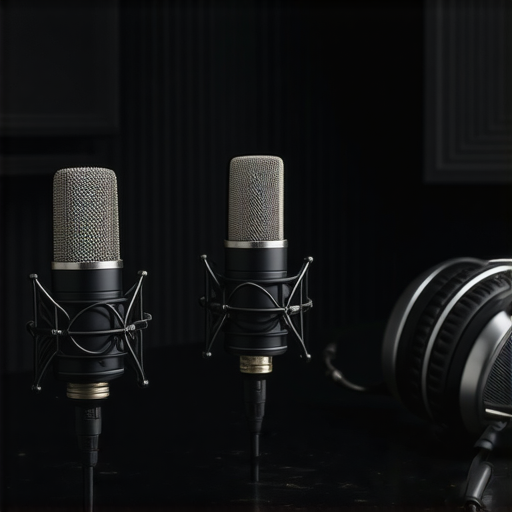
![Stop Your Streaming Mic From Picking Up Mouse Clicks [2026]](https://microphones.creatorsetupguide.com/wp-content/uploads/2026/02/Stop-Your-Streaming-Mic-From-Picking-Up-Mouse-Clicks-2026.jpeg)
I remember the first time I was live-streaming confidently, only to be suddenly distracted by that dreaded clicking sound echoing through my microphone. It was a quiet but persistent noise, like a tiny pet nibbling away at my professionalism. I thought it was my setup, my positioning—maybe I needed a better shock mount or a foam windscreen. Turns out, that annoying clicking was my mouse telling on me every time I clicked or scrolled. It was a frustrating moment, realizing that my microphone was not just capturing my voice but also every little flick of my mouse.
Why Mouse Clicks Are the Silent Saboteurs of Your Audio Quality
This experience was a lightbulb moment for me. If you’re streaming, podcasting, or recording voice-overs from home, the last thing you want is your microphone to pick up background noises like mouse clicks or keyboard presses. These little sounds can distract your audience and diminish your sound professionalism, especially when streaming on platforms where clarity is king. According to recent audio tests, even subtle mechanical noises can be picked up by sensitive microphones and become a pain to remove later, impacting your editing time and overall audio experience.
So, what exactly causes this issue, and more importantly, how can we put an end to it? That’s what I’ll walk you through today—sharing proven, straightforward tactics I’ve tested myself. Whether you’re using a podcast microphone, a top-tier streaming mic, or something in between, this guide will help you silence those pesky clicks once and for all.
Have You Faced This Microphone Woes?
If you’ve ever been mid-stream when the sound of your click or tap suddenly sneaks into your audio feed, you’re not alone. It’s a common problem among creators, but surprisingly one that’s easy to fix with the right approach. I made the early mistake of assuming better microphones alone would solve the issue, but the truth is, many of the fixes are about placement, environment, and minor adjustments. I highly recommend checking out these professional tactics for more detailed solutions.
Next, we’ll explore specific, practical steps that will help you prevent your mouse clicks from sneaking into your recordings and streams — elevating your audio quality from amateur to professional.
Mute Your Mouse and Keyboard During Recording
The simplest way to prevent clicking sounds from reaching your microphone is to mute your peripherals. Use a dedicated keyboard and mouse for streaming or recording, separate from your editing or browsing setup. If that’s not possible, consider plugging your mouse into a different USB port or using wireless peripherals with silent switches. During my last recording session, I switched to a wireless mouse and a mechanical keyboard with damped switches, which significantly reduced the noise pickup. This quick adjustment is like moving a microphone away from noise sources—small change, big difference.
Choose the Right Microphone Placement
Position your microphone to minimize proximity to your mouse and keyboard. For example, place your mic closer to your mouth and further from your input devices. Use a boom arm to position your mic at an optimal distance, avoiding desk vibrations and clicks. When I started using a boom arm, I noticed my mouse clicks no longer registered in the audio. Think of your microphone as a sensitive collector—point it where the sound you want, and shield it from the noise you don’t.
Reduce Mechanical Noises with Hardware Mods
If clicks still bleed through, consider hardware modifications. Using a foam cover or a specialized shock mount can dampen vibrations and impact sounds. For instance, I added a foam windshield to my mic and used a bench-made shock mount; the difference was striking. These accessories act as noise filters, similar to noise-canceling headphones but for your microphone. Also, check your mouse’s switches—some mechanical switches are noisier than others. Upgrading to quieter switches or installing dampeners can help tone down click sounds significantly.
Implement Digital Solutions and Filters
Post-recording, apply noise gates or filters to suppress clicks. A noise gate can be set to mute audio below a certain volume, catching transient clicks. Additionally, use audio editing software to manually remove or suppress leftover clicks without degrading your voice quality. During a cold fix, I used a high-pass filter combined with noise reduction plugins, effectively silencing the faint clicks. For streaming, consider software side mutes or filters that activate automatically when noise is detected. This is like having an AI bodyguard that keeps unwanted sounds out of your mix.
Optimize Your Environment for Cleaner Sound
Finally, reduce environmental noise by creating a better recording space. Use soundproof panels or foam to decouple your mic from desk vibrations and reverberations. Isolate your setup from loud computer fans or nearby clicky peripherals. During one setup revision, I moved my entire station into a closet with soundproofing panels, and the reduction in ambient noise was astonishing. Remember, every barrier you put between your input devices and your mic improves overall audio clarity, much like shielding a delicate sensor from interference.
Many aspiring creators jump into the world of voice recording and streaming believing that choosing a high-end microphone will automatically guarantee professional results. However, this common misconception overlooks crucial nuances that can make or break your audio quality. For example, most people think that all microphones, whether USB or XLR, are interchangeable or that one type is inherently superior. In reality, the key lies in understanding the specific nuances of each microphone type and how they fit into your setup. Studies have shown that the environment and setup can significantly impact microphone performance, often more than the microphone itself. A prevalent myth is that XLR microphones always sound better than USB microphones, but recent advancements have bridged this gap considerably, especially with the latest models designed for streamers and podcasters. The real secret is matching the microphone to your specific use case and environment, rather than chasing expensive gear. An advanced mistake many make involves neglecting proper gain staging and over-reliance on built-in preamps, which can introduce hiss or reduce clarity. Additionally, some creators assume that a microphone’s frequency response curve guarantees optimal voice capture — but without proper EQ adjustments and room treatment, the best mic can still produce dull or boxy sound. Ever wondered how professional studios capture such clear voice recordings? They don’t just pick a microphone and hope for the best; they optimize placement, acoustics, and signal chain. For example, using a well-placed pop filter and proper acoustic treatment can mitigate plosives and room reflections that degrade sound quality. Also, beware of the trap of overpaying for premium gear without understanding that setup and environment are equally vital. As highlighted by audio experts, investing in quality gear paired with proper recording techniques yields the best results, rather than simply buying the most expensive microphone. Are you aware of how your setup might be limiting your audio? Sometimes, a simple adjustment—like repositioning your mic or adding sound absorption panels—can elevate your recordings significantly. Curious about what gear truly delivers high-quality voice recordings without unnecessary expense? Check out our detailed comparisons of top USB microphones for 2026 and best XLR options for podcasting. Ultimately, mastering voice recording isn’t just about gear — it’s about understanding the nuances, environment, and technique that turn a good microphone into a professional tool. Have you ever fallen into this trap? Let me know in the comments.
Investing in quality hardware is just the beginning; maintaining it effectively ensures your audio stays pristine over time. The tools you choose today should be adaptable and durable, supporting your evolving content creation needs. For example, I personally rely on the Shure SM58 for its legendary durability and consistent performance, especially when frequent setup and breakdown are involved. Complementing hardware with reliable software like ReaPlugs noise suppression plugins helps me reduce unwanted noise without sacrificing audio quality, making editing more straightforward. Prediction-wise, as cloud-based AI continues to improve, future tools will likely automate much of the noise suppression and equipment diagnostics, making maintenance even easier.
How do I maintain my recording setup over time?
Routine checks are vital. Regularly inspect cables and connectors, replacing any that show signs of wear to prevent signal degradation. Using guitar cable testers, I verify my XLR runs for continuity and impedance issues—these simple tools can prevent a lot of audio headaches. Keep your microphone filters and foam covers clean; dust and debris can impact sound quality and cause buildup on diaphragms. I schedule monthly cleaning sessions, using a gentle brush and compressed air, to extend the lifespan of my gear.
Beside hardware, software updates are critical. Firmware updates for microphones and interfaces ensure compatibility and fix bugs that could subtly affect your sound. I subscribe to my audio interface manufacturer’s newsletter to stay informed about critical updates—this proactive approach keeps my setup reliable. Remember, consistent calibration of gain levels and checking your room acoustics periodically also preserve sound clarity over time. Implementing these routines avoids sudden dips in quality and helps your audience always experience your best voice.
Another important aspect is organizing your workspace to prevent accidental damage. Using labeled cable management, rack mounts, and protective cases for your gear keeps everything safe. When I upgraded to a professional-grade XLR interface like the Focusrite Clarett, I invested in a dedicated desktop rack, which minimized accidental pulls and static damage, ensuring longevity and consistent performance.
Long-term maintenance also involves adapting your setup as technology advances. For instance, with the release of new USB mics, you might find better self-contained options that reduce setup complexity. Keep an eye on industry trends and be ready to integrate smarter, more resilient components into your setup, so your podcast continues to sound professional without frequent overhauls.
Security and storage help preserve your investment
Store your equipment in climate-controlled environments—humidity and temperature fluctuations can degrade components over time. Using silica gel packs in your gear cases prevents moisture damage. Also, backing up your audio files on cloud storage ensures that you won’t lose important recordings due to accidental hardware failures or mishaps. Using robust storage solutions like SSDs paired with automated backups keeps your archive safe and accessible for future editing or repurposing.
By establishing a systematic maintenance routine combining hardware checks, software updates, and environmental management, you prolong your equipment’s lifespan and maintain consistently high audio quality. Trust me—taking the time to implement one of these tips, like regularly inspecting your cables with a simple tester, can save you hours of troubleshooting down the line. Try integrating this small change into your routine today and notice how your setup remains dependable, supporting your journey from amateur to professional voice creator.
What I Wish I Knew Before Choosing My Microphone
One of the biggest lessons I learned was that gear alone isn’t enough; understanding room acoustics and environment can drastically improve audio quality. Don’t assume that an expensive microphone will automatically make your voice sound professional—setup and positioning are equally vital.
Another insight was the importance of patience and experimentation. Adjusting mic angles, cable placements, and using damping materials taught me that small tweaks can lead to significant improvements. The journey to clear voice recordings is as much about persistence as it is about gear.
Finally, I realized that ongoing maintenance and upgrading—like cleaning equipment and staying updated on software—is key to long-term success. Investing time in these routines can save you headache and cost in the future.
My Best Resources for Voice Recording and Streaming
I’ve found this guide on top USB microphones for 2026 invaluable for understanding budget-friendly options that still deliver professional sound. For those looking to upgrade their XLR setup, this article on XLR microphones offers in-depth comparisons and expert opinions.
Additionally, the ultimate guide to streaming microphones packs practical tips tailored for content creators aiming for clarity and professionalism. Lastly, following updates from trusted manufacturers’ newsletters keeps me informed about hardware innovations that can elevate my setup.
Your Next Step Towards Better Voice Clarity
Improving your microphone setup is a continuous journey, but every small change brings you closer to that crisp, clear voice your audience deserves. Embrace experimentation, stay curious about new gear and techniques, and remember that even seasoned creators refine their setup over years. Now is the perfect time to take action and refine your voice recording environment—your audience will thank you for it.
**What’s one setup tweak you’ve been hesitant to try that could make your voice recordings clearer? Share your thoughts below!**