Imagine you’re in the middle of an important podcast recording or streaming session when suddenly, your voice peaks into the red. The sound becomes distorted, harsh, and unprofessional. I’ve been there—I know that sinking feeling when your audio clips just as you’re about to hit that perfect take. It’s frustrating, embarrassing, and can feel like a disaster, especially when you’re on a tight schedule or live in front of an audience.
But here’s the thing: Clipping isn’t always a sign of a faulty microphone or a poor interface. Sometimes, it’s a simple gain setting that’s just a little off. Early in my setup journey, I made the mistake of maxing out my gain because I thought louder was better. Turns out, that’s exactly how you end up with distorted audio—and it’s a rookie mistake I want to help you avoid.
In today’s post, I’m going to share four easy, practical fixes to prevent your 2026 audio interface from clipping. These are methods I’ve tested myself and recommended by pros, like in this [ultimate guide to xlr microphones for podcasting success in 2024](https://microphones.creatorsetupguide.com/ultimate-guide-to-xlr-microphones-for-podcasting-success-in-2024). No complicated gear swaps or costly upgrades—just simple adjustments that make a huge difference.
First, let’s talk about why this problem is so prevalent now. With more streamers, podcasters, and content creators jumping into the game, many are using high-gain setups expecting their microphones to be loud and clear. However, as reported by SoundOnSound, improper gain staging is the leading cause of clipping and distorted sound, especially when using new, more sensitive interfaces and mics designed for professional audio—like the popular USB and XLR models of 2026.
Are you tired of your voice peaking uncontrollably, ruining your recordings? Do you dread that moment when your levels hit the red and distort before you even realize what’s happening? If you’ve faced this frustration, you’re definitely not alone. It’s a common hurdle for creators trying to get studio-quality sound with sometimes surprisingly simple solutions.
Now, with that context set, let’s dive into the tangible fixes that can help you tighten your gain structure and enjoy clear, clipping-free audio. Because mastering gain isn’t just about loudness—it’s about clarity, professionalism, and putting your best voice forward.
Set Your Initial Gain Correctly
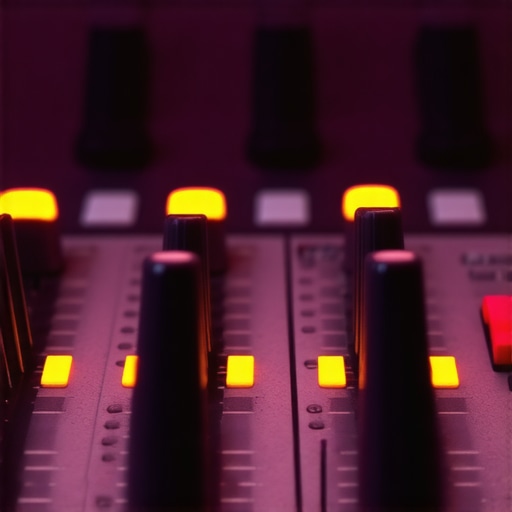
Start by locating the gain knob on your microphone or audio interface. Think of it as a volume control for your microphone’s input. When I first set mine, I turned it all the way up, expecting louder sound, only to hear distortion. To fix this, gradually decrease the gain while speaking at your normal volume until the input levels stay just below peaking. This prevents your signal from ever reaching that red zone, ensuring clear, unclipped audio.
Use Your Monitoring System for Real-Time Feedback
Connect your headphones and enable monitoring on your interface or recording software. This allows you to hear exactly what your microphone picks up in real time. When I set up my podcast mic, I listened carefully as I adjusted my gain. If I heard any distortion—like a harsh buzz—I immediately lowered the gain. Constant monitoring helps you fine-tune settings instantly, much like a pilot watching their instruments during flight, preventing problems before they start.
Implement Input Level Limits in Software
Leverage your recording or streaming software’s input gain controls. For example, in OBS or Audacity, you can set maximum input levels or enable automatic gain control. When I first recorded an episode, I used OBS’s audio mixer to keep the input levels within green and yellow zones, avoiding red peaks. This acts as an additional safety net, ensuring even unexpected loud sounds won’t cause clipping.
Position Your Microphone for Optimal Sound
The physical placement of your microphone impacts the level of gain needed. Keep the mic close to your mouth—about 3-6 inches—and speak directly into it. I once had my mic placed too far, which led me to max out the gain to compensate for distance, causing distortion. Moving closer allowed me to lower the gain significantly, producing crisp, clear voice recordings. Plus, proper positioning minimizes ambient noise and prevents hot spots that might trigger clipping.
Review and Test Regularly
Consistently check your levels before recording or streaming. Record a short test clip, then play it back and watch the meters. Make incremental adjustments to the gain until your levels stay within a safe range. This step is crucial—once I did a quick test, noticed a peak, lowered my gain, and saved myself from potential embarrassing distortion on live streams. Regular testing ensures your setup remains optimized for clean, professional audio.
 When it comes to choosing between a USB microphone, an XLR setup, or a dedicated streaming mic, many creators fall into the trap of oversimplification. A widespread myth is that all USB mics are inherently inferior to XLR options for professional voice recording. However, in my experience, some high-quality USB microphones, like the latest models highlighted in [best USB microphones for streaming in 2024](https://microphones.creatorsetupguide.com/best-usb-microphones-for-streaming-podcasting-in-2024), actually outperform budget XLR setups in noise handling and ease of use, making them a practical choice, especially for beginners. This misconception often leads creators to overlook powerful, budget-friendly USB options that can deliver studio-quality sound without the complexity of an XLR interface. Furthermore, many assume that XLR microphones always require expensive, professional-grade equipment like cloud lifters, but recent advancements have introduced affordable, high-quality preamps that make XLR setups accessible and versatile, as discussed in [top XLR microphones for high-quality voice recording in 2024](https://microphones.creatorsetupguide.com/top-xlr-microphones-for-high-quality-voice-recording-in-2024). One major ‘oops’ is neglecting the importance of room acoustics. It’s tempting to think that a good microphone alone can solve echo or background noise issues; however, as shown in [soundproofing hacks for voice recordings](https://microphones.creatorsetupguide.com/5-pro-soundproofing-hacks-for-better-voice-recording-in-2026), proper environment setup is equally crucial. Relying solely on mic quality without addressing room acoustics can seriously impair audio clarity. For the advanced creator pondering whether to invest in an XLR or USB mic for a professional podcast, ask yourself: Are you prepared to manage the additional gear and setup time that XLR requires? Or will a high-caliber USB microphone suffice for your quality standards? Studies from audio engineers like Ethan Winer underscore that room acoustics often influence sound quality more than the mic type itself, indicating that smart space treatment can dramatically improve your recordings irrespective of the mic choice.
Have you ever fallen into this trap? Let me know in the comments.
Finally, a nuanced point many overlook is mic placement and proximity effect. A common mistake is placing the mic too far or at an angle that causes thinness or harsh sibilance in your voice, which can be fixed with simple positioning adjustments—something often not emphasized enough in beginner tutorials. For instance, the proximity effect can actually be an advantage if used correctly, delivering a richer, fuller sound—highlighted in [microphone placement tips for podcasts](https://microphones.creatorsetupguide.com/5-pro-tips-to-position-an-xlr-microphone-in-a-2026-echoey-room). As I tell fellow creators, mastering these subtle techniques turns a decent setup into a truly professional-sounding studio.
Remember, choosing the right microphone is only part of the equation. Paying attention to nuanced details like environment, positioning, and understanding advanced features elevates your audio quality from amateurish to esteemed. Want to dive deeper into specific mic options or setup tricks? Check out [top microphone types for voice recording and streaming](https://microphones.creatorsetupguide.com/top-microphone-types-for-voice-recording-streaming-expert-guide-2024-2). Improving your audio requires continuous learning and adaptation—so stay curious!
Prioritize Quality Audio Interfaces
Investing in a robust audio interface is crucial for maintaining consistent microphone quality over time. I personally use the budget-friendly XLR interfaces that deliver pro-level sound. Their low-latency performance and clean preamps ensure your voice remains clear, even after long sessions. Regularly updating firmware and drivers for your interface prevents glitches and maintains stability, which is essential for streaming and recording continuity.
Maintain Microphone Connectors and Cables
High-quality cables and sturdy connectors can make or break your setup over time. I recommend routinely inspecting my XLR cables for wear and tear, replacing any frayed or damaged ones immediately. Using balanced cables helps eliminate hum and noise, keeping your audio pristine. Proper storage—coiling cables loosely and avoiding tight bends—prolongs their lifespan and saves you troubleshooting headaches down the line.
Utilize Software Tools for Long-Term Consistency
In my workflow, I depend heavily on software like pop filters and noise gates to keep my recordings clean. Noise gates, for instance, automatically mute background noise when I stop speaking, maintaining a professional sound without constant manual adjustment. Regular calibration of input levels within digital audio workstations (DAWs) ensures your recordings stay balanced over months of content creation.
Regular Environment Checks Improve Long-Term Results
Creating a consistent recording environment is vital. I periodically review my room acoustics, applying soundproofing hacks to prevent drifting sound quality. Even slight changes in furniture placement or background noise levels can affect your mic’s performance. Routines to monitor and adjust your space help you sustain high-quality audio over years of use.
Plan for Scaling Your Setup
As your content grows, upgrading components becomes inevitable. I foresee a trend towards modular systems that allow easy expansion—like portable XLR mixers with multiple outputs. Staying updated with the latest models, such as those reviewed in advanced XLR microphones, ensures your gear scales with your ambitions without sacrificing quality. Regularly testing new tools and integrating them into your workflow future-proofs your setup.
Remember, consistent maintenance and choosing the right tools not only boost your audio quality today but also protect your investment long-term. For example, locking in your gain setting using software and hardware synergy helps prevent those dreaded peaks and distortions. Try implementing a routine check of your cables and environmental soundproofing techniques, which can dramatically improve your recordings’ clarity. Take this advice—like regularly updating firmware or replacing aging cables—and see your voice sound crisp and professional in every session.
What I Wish I Knew About Gain Levels Early On
One of the biggest lightbulb moments for me was realizing that louder isn’t always better for your microphone setup. I used to crank the gain to maximum, expecting booming vocals, only to end up with distorted, noisy audio that made me cringe. It took trial and error to understand that setting gain just below the peaking threshold yields clarity and professionalism—an insight I wish I had embraced sooner.
Dispel the Myth That External Gear Solves All
I used to believe that investing in expensive interfaces and preamps would magically cure my audio problems. Turns out, proper gain staging and environment control are more critical. Upgrading gear without adjusting gain correctly or optimizing my room was like pouring water into a leaky bucket—money wasted. The real secret is smarter setup, not pricier equipment.
Learn to Read Your Audio Meters Like a Pro
Initially, I ignored the meters on my recording software, trusting my ears alone. But I discovered that visually monitoring levels helps prevent clipping, ensuring clean vocals every time. Regularly checking those small green/yellow/red indicators became a vital part of my workflow, saving me from embarrassing ‘peak’ moments during live streams or recordings.
Room Environment Matters More Than You Think
Previously, I focused solely on microphone quality, neglecting how my room affected sound. Echoes, background noise, and reflection were undermining my efforts. Once I applied acoustic treatments and positioned my mic thoughtfully, my audio transformed—richer, more focused, and professional. It’s a reminder that environment optimization is as important as the gear itself.
Curated Resources That Made a Difference
One of the best investments I made was exploring guides like the ultimate guide to XLR microphones. It helped me understand nuanced setup techniques. Additionally, using tools like soundproofing hacks transformed my space. Combining these resources with hands-on testing accelerated my growth immensely, making my voice sound sharper and more natural.
Take the Leap and Fine-Tune Your Voice with Confidence
Your voice deserves to shine as brightly as your content. By mastering gain structure, environment, and monitoring, you can turn ordinary recordings into engaging, professional-sounding streams. Remember, continuous learning and small adjustments lead to big improvements over time. So, why wait? Start experimenting with your setup today—your audience will notice the difference.