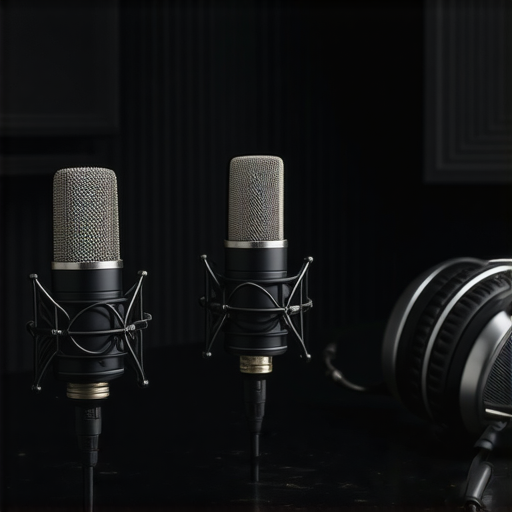
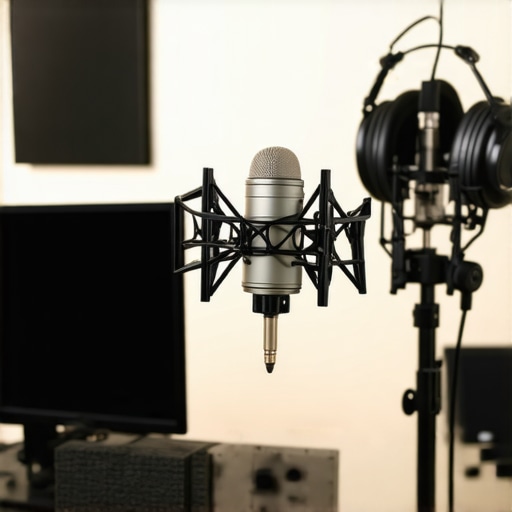
I remember the frustration vividly. I had just set up my first home studio, eager to start my podcasting journey. I bought what I thought was a decent microphone—an affordable USB model that everyone recommended. But when I hit record, the sound was muffled, distant, and just plain unprofessional. I spent hours tweaking settings, trying to fix it, only to realize I was missing the most critical piece—getting the right microphone for my specific needs. That lightbulb moment changed everything. Since then, I’ve learned that choosing the right microphone isn’t about the price tag or brand alone; it’s about matching your voice, environment, and goals to the perfect device. And trust me, in 2024, the options are better and more varied than ever.
Why Your Microphone Choice Can Make or Break Your Podcast or Stream
Imagine pouring your heart into creating content, only for your audio to sabotage your efforts. Viewers and listeners will forgive shaky visuals, but terrible sound? That’s a quick way to lose followers. The right microphone elevates your voice, captures your personality, and makes your content sound professional—even if you’re recording in a noisy room or from a small home setup. According to a recent study by YouTube Creator Academy, audio quality influences viewer retention more than visual quality, especially for podcasts and live streams. So, investing in a good mic isn’t just a luxury; it’s essential for building trust and credibility.
Have You Faced This Microphone Dilemma?
Did you ever buy a microphone based on reviews, only to find it doesn’t match your voice or environment? Or maybe you’re overwhelmed by the sheer number of options and unsure where to start? I’ve been there. Early on, I made the mistake of choosing a cheap condenser mic without considering my room acoustics, which resulted in echo and background noise. That mistake taught me that not all mics are created equal—what works for one person might be terrible for another. So, let’s cut through the confusion and figure out what really matters when choosing your perfect microphone for 2024.
If you want to avoid common pitfalls and get a clear, professional sound, keep reading. I’ll guide you through the best options, from USB to XLR, and help you find the right fit for your setup and budget. Ready to level up your audio game? Let’s dive into the essentials that will make your voice shine.
Choose Your Microphone Type Carefully
Start by deciding between a USB or XLR microphone. USB mics are perfect for beginners and quick setups, connecting directly to your computer with minimal fuss. XLR mics, however, require an audio interface but offer superior sound quality and expandability for future upgrades. I once swapped my USB mic for an XLR setup during a live stream, which immediately improved clarity and professionalism. If you’re unsure where to begin, check out the comprehensive guide on best USB and XLR microphones for 2024.
Assess Your Environment and Setup
Identify your recording space’s acoustics. A small, untreated room with echo will influence your choice. For noisy environments, consider a dynamic microphone that rejects background noise. If you have a dedicated sound-treated room, a condenser mic can capture more detail. I experimented with a condenser microphone in my cluttered office, which initially caused background noise to bleed through, but adding a simple foam shield made a noticeable difference. For detailed comparisons, visit the top microphone types guide for 2024.
Match Your Voice and Style
Your voice characteristics matter. If you have a deep, booming tone, a microphone with a flat response like the Shure SM7B can enhance clarity. For higher-pitched voices, a condenser like the Audio-Technica AT2020 works well. I once tested a few mics in a sound booth, recording the same script, and found that matching mic response to my voice brought out the natural warmth. Check out the top voice microphones for 2024 for more options.
Consider Your Budget and Future Growth
Invest in a microphone that fits your current needs but also allows room to grow. If you plan to upgrade your setup later, choosing an XLR mic with a good preamp will give you flexibility. For budget-friendly options, review the best affordable mics for 2024. I started with a budget USB mic, then moved to a better XLR setup as my audience grew, which significantly improved audio quality and listener engagement.
Test Before You Commit
Always test a microphone before making a final purchase. Use recording software to compare sound, check for background noise, and ensure it captures your voice naturally. I once borrowed a mic for a week, recorded multiple sessions, and then decided if it was the right fit. This trial approach saved me from investing in gear that didn’t match my voice or environment. For detailed advice on testing and comparing microphones, see the ultimate guide to podcast and streaming mics 2024.
Optimize Your Microphone Placement and Settings
Proper placement is key. Position your mic about 6-12 inches from your mouth, slightly off-axis to reduce plosives. Use a pop filter to prevent harsh puffs. Adjust gain settings to avoid peaking. I once spent hours tweaking my gain, only to realize the difference was a simple adjustment of the mic’s position. Small changes can have a big impact, so experiment with placement and levels to find your sweet spot. For more tips, check out the top microphones for voice recording in 2024.
Maintain Your Gear for Consistent Quality
Regularly clean your mic and check connections. Keep your environment quiet and consistent. If your setup involves multiple mics, ensure each is calibrated similarly. I set a weekly routine to wipe dust off my gear and test recordings, which keeps my sound professional and reliable. Proper maintenance prolongs your equipment’s life and keeps your audio on point. For detailed maintenance tips, visit the best mics for podcasting in 2024.
Many podcasters and streamers fall for misconceptions that can seriously limit their audio quality. Let’s dig deeper into some of the most common microphon misconceptions and reveal the hidden nuances that can make a big difference in your setup. First, everyone insists that a higher price always guarantees better sound. While premium microphones like the XLR options often outperform budget models, the real secret is matching the mic to your specific environment and voice. For example, a dynamic microphone like the Shure SM7B can outperform a high-end condenser in a noisy room, because it rejects background noise better. So, don’t assume that just because a mic is expensive, it’s the perfect fit for your situation.
Next, a common myth is that USB microphones are inferior to XLR mics. In reality, the gap has narrowed significantly, especially with models designed for professional use. For instance, some USB mics now deliver studio-quality sound and are incredibly convenient. The key is understanding their limitations, such as fewer options for future upgrades or less control over the signal chain.
Another trap is the idea that you don’t need to worry about room acoustics if your microphone is good. This is a big mistake. Even the best mic won’t save you if your room creates echoes or background noise. Many overlook the importance of proper placement and sound treatment, which are just as crucial as the mic itself. For example, placing a mic too close to reflective surfaces can introduce unwanted reverb, regardless of the quality.
Let’s answer an advanced question:
How much does microphone polar pattern really matter for podcasting and streaming?
Understanding polar patterns—whether cardioid, hypercardioid, or omnidirectional—can dramatically improve your audio. A cardioid pattern focuses on your voice and rejects side and rear noise, making it ideal for most home setups. However, if you record in a multi-person environment, an omnidirectional mic might be better, despite picking up more ambient noise. The nuance here is that choosing the right polar pattern is about balancing focus and environmental awareness. According to audio engineers, selecting a mic with an appropriate polar pattern can reduce post-processing time and improve clarity.
Finally, many think that once they set up their mic, they’re done. But regular testing, calibration, and understanding advanced settings like gain staging and EQ are essential to maintain top quality. For a comprehensive upgrade, consider exploring the best practices for microphone placement and settings. Remember, even the best gear needs proper handling to shine.
Have you ever fallen into this trap? Let me know in the comments and share your experience with microphone myths. Staying informed and questioning common beliefs is key to mastering your audio in 2024!
Once you’ve selected the perfect microphone for your setup, the next crucial step is ensuring it stays in optimal condition over time. Proper maintenance not only extends the lifespan of your gear but also guarantees consistent, professional sound quality for your podcasts or streams. In this section, I’ll share proven tools, methods, and routines that I personally rely on, along with insights into how this trend is evolving as technology advances.
How do I maintain my microphone equipment over time?
First, invest in a high-quality cleaning kit tailored for audio gear. I use a microfiber cloth and a gentle electronics cleaner to wipe down my microphones regularly, removing dust and fingerprints that can degrade sound quality. For XLR mics, I also apply contact cleaner to connectors, ensuring stable and noise-free connections. Keeping your cables and connectors free of corrosion prevents intermittent issues that can be frustrating during recordings or live streams.
Second, consider environmental control. I keep my recording area as dust-free and humidity-controlled as possible. Using a dehumidifier in high-humidity environments prevents corrosion and mold, which can damage sensitive components. Positioning my microphone away from reflective surfaces and using acoustic treatments like foam panels or bass traps helps maintain sound clarity and reduces the need for frequent repairs or replacements.
Third, schedule routine checks. Every month, I inspect my gear for signs of wear. This includes testing all connections, ensuring shock mounts are secure, and verifying that no parts are loose or damaged. For instance, I recently replaced a worn-out shock mount on my condenser mic, which drastically improved noise rejection and overall sound quality. These small investments in time prevent costly repairs later and keep my gear performing like new.
Additionally, using a dedicated audio interface with built-in protection features can prevent power surges and static damage. I recommend models that include overvoltage protection and high-quality preamps, which can be a game-changer for maintaining consistent audio levels and protecting your investment. For example, the best XLR and USB interfaces in 2024 offer robust build quality and advanced features for long-term reliability.
Looking ahead, I predict that smart maintenance tools will become more integrated with recording equipment. Future microphones may include self-diagnosing sensors that alert you to issues before they affect your recordings, or even automatically calibrate settings for optimal performance. Staying ahead of these innovations means embracing regular maintenance routines now, so your gear is ready for what’s next.
To keep your setup working flawlessly, try adopting a weekly cleaning and inspection routine. It’s a simple step that pays off by maintaining high-quality sound and avoiding unexpected failures. Remember, your microphone is an investment—treat it with care, and it will reward you with professional-grade recordings for years to come.
The Costly Lessons I Learned About Microphone Selection
One of the biggest mistakes I made early on was assuming that spending more money would automatically improve my sound quality. I discovered that a cheaper dynamic microphone, like the Shure SM7B, often outperformed expensive condensers in noisy environments because of its rejection of background noise. This taught me that matching the mic type to your environment is far more important than price alone.
Why I Ignored Room Acoustics at First
I used to think that a high-quality microphone could fix any room issues. Wrong. My first condenser mic captured every echo and background noise because I overlooked the importance of room treatment. Adding foam panels and proper placement made a huge difference. Now, I know that environment optimization is essential for professional sound.
The Moment I Realized Polar Patterns Matter
Choosing the right polar pattern changed my recording game. Cardioid mics focus on your voice and reject side noise, perfect for home setups. But in multi-person recordings, omnidirectional mics work better despite picking up more ambient sound. Understanding these nuances saved me countless hours in post-production and improved clarity.
How Upgrading My Gear Transformed My Content
Starting with a budget USB mic was fine initially, but upgrading to an XLR setup with a good preamp elevated my audio quality significantly. It was a worthwhile investment that increased listener engagement. My biggest tip: think about future growth and choose gear that scales with your ambitions.
What I Wish I Had Known About Microphone Maintenance
Regular cleaning, cable checks, and environment control have been game-changers for maintaining consistent sound quality. Simple routines like wiping dust and inspecting connectors prevent costly repairs and ensure your gear lasts longer. In the future, I believe smart microphones with self-diagnosing features will make upkeep even easier.