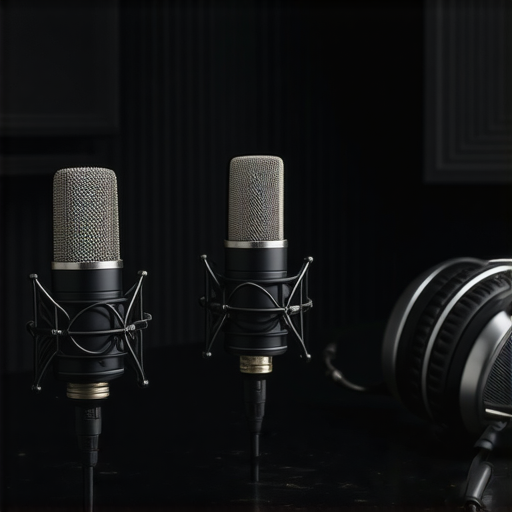
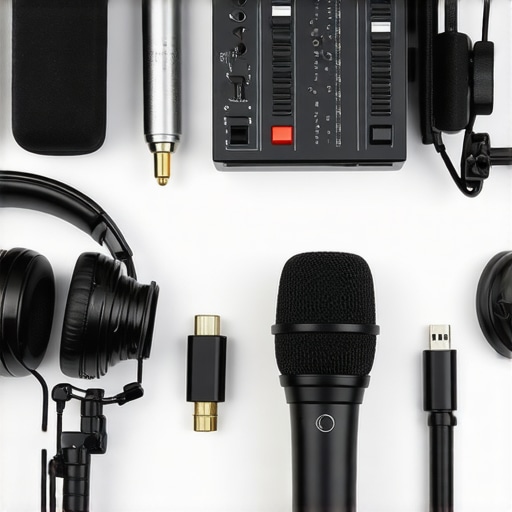
Ever sat down to record your latest episode, only to realize your voice sounds flat, distant, or just plain off? I’ve been there. That frustrating moment when you hit “record” and then cringe at the audio quality. It’s like trying to have a heartfelt chat through a tin can. Trust me, I spent way too much time battling with cheap mics that promised greatness but delivered mediocrity. My lightbulb moment? Realized that the right microphone can transform a good podcast into a professional-sounding show, and I want to help you avoid the same pitfalls.
Why Choosing the Right Microphone Matters More Than You Think
The truth is, your voice is your brand. Whether you’re aiming for a cozy, intimate feel or a crisp, clear broadcast, your microphone is the foundation. Early on, I made the mistake of thinking that any microphone would do — I bought a cheap USB mic, convinced it was enough. Spoiler: it wasn’t. The sound was muddy, and I struggled with background noise. That mistake cost me time, effort, and credibility. But I learned that investing in quality gear pays off. If you’re serious about your podcast (or streaming, voice-over work, or any voice-related content), you owe it to yourself to get it right from the start. Curious if your current setup is holding you back? Check out our comprehensive guide on microphone types for voice recording and streaming in 2024.
Is All the Hype Around Microphones Justified?
It’s a common skepticism I hear — “Do I really need an XLR mic? Isn’t a USB microphone enough?” Honestly, I used to think so too. Early in my journey, I believed a simple plug-and-play USB was all I needed. But I soon discovered that the quality gap is huge. A decent XLR microphone paired with an audio interface can give you richer, more professional sound. Plus, it offers flexibility for future upgrades. The mistake I made? thinking that more expensive always meant better. Turns out, it’s about matching the mic to your needs and environment. Want to see some top recommendations? Check out best USB & XLR microphones for podcasting in 2024 for some expert picks.
In the next section, I’ll walk you through how to choose the perfect microphone for your setup, budget, and goals. Because let’s face it — the right gear can make or break your audio quality, and I want to help you get it right the first time. Ready to dive in and find your ideal microphone? Let’s go!
},
Pick the Right Microphone for Your Goals
Choosing the perfect microphone begins with understanding your needs. For a casual stream, a quality USB mic like the best USB microphone may suffice, but for professional-grade recordings, an XLR mic paired with an audio interface is ideal. I once started with a cheap USB mic, which sounded thin and background-heavy. Upgrading to a mid-range XLR setup transformed my audio clarity and gave me flexibility for future upgrades.
Assess Your Environment and Setup
Before selecting your mic, evaluate your recording space. Is it noisy or echoey? If so, you might need a mic with better noise rejection or a dedicated recording booth. I used a top podcast microphone and added a makeshift sound shield with blankets, which significantly improved my audio quality. Position your mic correctly—place it about 6-12 inches from your mouth, slightly off-axis to avoid plosive sounds.
Connect and Configure Your Microphone Properly
For USB mics, simply plug into your computer and select it as your input device in your recording software. For XLR mics, connect the mic to an audio interface using XLR cables, then connect the interface to your computer via USB or Thunderbolt. Make sure to choose the correct input device in your software settings. I initially connected my XLR mic directly to my computer, which caused latency and noise. Using an external interface cleaned up the signal and provided better gain control. Adjust your gain levels so your voice is clear without clipping—this step is crucial for professional sound.
Optimize Your Audio Quality
Once connected, tweak your settings. Use a pop filter to reduce plosive sounds, and set your gain low enough to avoid distortion. I found that recording in a quiet environment and speaking directly into the mic yielded the best results. Experiment with microphone placement and gain until your voice sounds natural and crisp. Don’t forget to check your levels frequently—overly hot signals will distort, while too low will sound distant.
Test and Fine-Tune Regularly
Before recording your main content, do test recordings. Listen carefully and adjust your microphone position, gain, and room acoustics as needed. I once spent hours re-recording because I neglected this step. Investing time here ensures consistent quality. Remember, your voice is your brand, and clear audio builds trust with your audience. For detailed recommendations, explore our top choices for voice clarity and see what suits your budget and goals best.
If you think picking a microphone for your podcast is just about budget and brand, think again. Many podcasters fall into common traps that sabotage their audio quality without realizing it. Let’s dig deeper into what most people get wrong about podcast microphones, especially when choosing between USB microphones, XLR setups, or streaming mics. Understanding these nuances can elevate your sound and save you from costly mistakes.
Why Your Assumptions About Microphone Quality Might Be Wrong
One of the biggest myths is that more expensive microphones automatically guarantee better sound. While higher-end gear can deliver superior audio, it’s not a one-size-fits-all solution. For example, a top-tier XLR microphone paired with a poor room setup or improper gain settings can still produce subpar results. Conversely, a well-chosen USB microphone in a controlled environment can outperform a cheap XLR mic. It’s crucial to match your microphone type and quality to your specific needs, environment, and future plans. For a comprehensive comparison, check out our microphone types guide for 2024.
Beware of the Overconfidence in Plug-and-Play Solutions
Many beginners assume that a simple USB mic will always suffice, but this can be a trap. USB microphones are convenient, but they often lack the flexibility and quality control of XLR setups. They also tend to have less control over gain and noise rejection, which can lead to muffled or background-heavy audio. If you’re serious about professional-sounding content, investing in an XLR microphone with an audio interface offers more control and a cleaner sound. Don’t let the ease of USB fool you — sometimes, the extra effort pays off.
How Microphone Placement Can Make or Break Your Sound
Another overlooked aspect is microphone placement. Even the best mic can sound terrible if placed incorrectly. The common mistake is speaking too far away or directly into the mic, causing plosives, background noise, or uneven audio levels. Advanced podcasters know that positioning your mic about 6-12 inches from your mouth and using a pop filter can drastically improve clarity. This is especially true for dynamic mics, which excel at rejecting room noise, but only if positioned correctly. Remember that proper placement is an ongoing process — regularly fine-tune your distance and angle to maintain consistent quality.
What About the Impact of Room Acoustics?
Many podcasters underestimate how much their environment affects sound quality. An untreated room with echo or background noise can sabotage even the most expensive mic. The solution? Use sound dampening, such as foam panels, blankets, or dedicated booths, to create a controlled acoustic space. This step is often overlooked but is just as important as choosing the right microphone. For tips on optimizing your environment, explore our ultimate environment setup guide.
Are You Overlooking the Power of Proper Gain and Settings?
Finally, many podcasters neglect to properly set their gain levels. Too high, and your audio clips or distorts; too low, and your voice sounds distant and weak. Take the time to do test recordings, listen critically, and adjust your gain accordingly. This might seem trivial, but it’s the step that separates amateur audio from professional-quality sound. For detailed tips, see our recommendations on best microphone settings for clarity in 2024.
By understanding these hidden nuances and avoiding common pitfalls, you’ll be well on your way to podcasting with professional-grade audio. Have you ever fallen into this trap? Let me know in the comments and share your experiences!
Investing in a high-quality podcast microphone is just the beginning. To keep your audio crisp and professional over time, you need a solid maintenance routine and reliable tools. Personally, I swear by the Shure XLR cables for their durability and consistent performance. Regularly inspecting your cables and connections prevents intermittent noise or signal loss, which can be a silent killer of quality. I also keep a can of compressed air nearby to clear dust from my microphone grille and interface ports, ensuring nothing impacts sound clarity.
For software, I recommend using Reaper or Audacity with noise reduction plugins like iZotope RX. I use these not only for editing but also for real-time monitoring and noise gate adjustments. This way, I catch and eliminate background hum or electrical interference early, avoiding the need for costly re-records. Investing in a good pair of studio headphones—like the Audio-Technica ATH-M50x—also helps me consistently evaluate my audio quality during and after recording.
How do I maintain my microphone over time?
Keeping your microphone in top shape requires regular cleaning and calibration. For dynamic mics, gently wiping the grille with a soft cloth and a little isopropyl alcohol prevents buildup of oils and dust. If you have an XLR setup, periodically check and tighten the XLR connectors, as loose connections can degrade sound quality. Also, consider investing in a microphone stand with shock mount to reduce handling noise and mechanical stress.
And don’t forget room acoustics. As I mentioned earlier, soundproofing your environment is crucial—it’s worth the investment to add foam panels or bass traps. Over time, regularly revisiting your setup, cleaning your equipment, and verifying your gain and levels can extend the lifespan of your gear and preserve sound quality. The trend in podcasting is moving towards smarter, more durable gear—so keep an eye on innovations like self-cleaning capsules or modular microphones that allow for easy upgrades. For example, the Shure MV7X offers a modular design ideal for long-term use and upgrades.
If you want to ensure your setup remains reliable, try implementing a monthly check-in routine. Inspect cables, test your levels, and clean your gear. This simple habit can save you from unexpected disruptions during crucial recordings. Remember, the key to long-term success is consistency—your voice deserves it, and your audience will thank you for maintaining that professional sound.
The Hardest Lesson I Learned About podcast microphone,usb microphone,xlr microphone,streaming mic,voice recording
One of my biggest realizations was that investing in a quality microphone isn’t just about sound quality but about how it elevates your entire content creation process. I once thought I could get away with a cheap USB mic, but I learned the hard way that clarity, noise rejection, and durability matter much more than price. Now, I prioritize matching my mic to my environment and future goals, understanding that a well-chosen microphone can save hours of re-recording and editing.
3 Myths About podcast microphone,usb microphone,xlr microphone,streaming mic,voice recording That Held Me Back
I used to believe that all USB microphones deliver professional sound, but I discovered that they often lack the control and noise rejection of XLR setups. Similarly, I thought expensive gear was always better, yet I found that the right match for my environment and needs makes all the difference. These misconceptions delayed my progress until I understood the importance of environment, placement, and proper gear pairing, which dramatically improved my audio quality.
What Experts Won’t Tell You About podcast microphone,usb microphone,xlr microphone,streaming mic,voice recording
Many professionals keep quiet about the importance of room acoustics and mic placement. Even the best microphone can sound terrible if placed incorrectly or if the environment isn’t controlled. I learned that investing in soundproofing and learning proper placement techniques are just as crucial as choosing the right mic. These hidden lessons helped me produce cleaner, more professional audio that my audience trusts.
Curated Resources to Elevate Your Podcast Sound
For selecting the right microphone, I trust the comprehensive guides on best microphone types for 2024. When it comes to gear, the top USB & XLR microphone picks have consistently helped me stay on budget without sacrificing quality. I also rely on soundproofing tips from ultimate environment setup guides to optimize my space. These resources are invaluable for anyone serious about professional sound.
Your Voice is Your Power — Take Action Today
Now is the perfect time to refine your podcast setup. Whether you’re starting fresh or upgrading your gear, remember that the right microphone paired with proper environment and technique can transform your audio from amateurish to professional. Don’t wait for perfection—start experimenting, learn from your mistakes, and watch your sound quality soar. Your audience will notice the difference and appreciate your effort to deliver crisp, clear content with every episode.