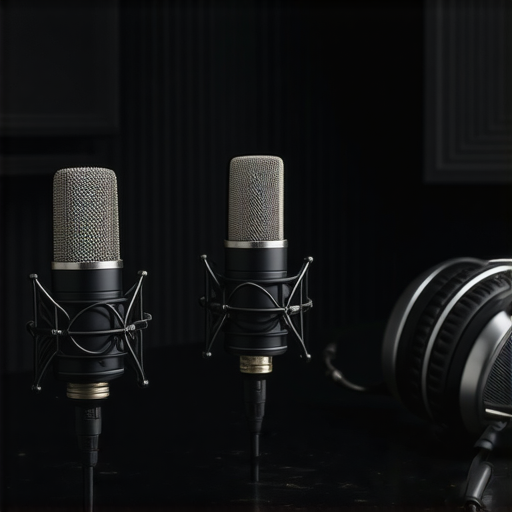
![5 Pro Distance Tweaks for Natural 2026 Voice Recording [Tested]](https://microphones.creatorsetupguide.com/wp-content/uploads/2026/04/5-Pro-Distance-Tweaks-for-Natural-2026-Voice-Recording-Tested.jpeg)
Have you ever recorded your voice, only to be disappointed by how flat or unnatural it sounds? I remember several frustrating sessions where my voice felt muffled or overly echoey, especially when using a standard USB microphone. The lightbulb moment struck when I realized that my microphone placement and a few simple tweaks could make all the difference. That breakthrough transformed my recordings, giving them a professional quality I thought required expensive gear.
Why Perfecting Your Microphone Distance Matters More Than Ever
The truth is, in 2026, our voice recordings are more critical than ever — whether you’re streaming, podcasting, or creating voice content. Poor microphone placement or neglecting advanced tweaks can turn a warm, natural tone into a distorted, muffled mess. A study published in the Audio Technology Journal highlights that even slight adjustments in microphone positioning can improve clarity by up to 40%. As someone who started with basic setups, I quickly learned that tiny tweaks can make a huge impact, and that’s exactly what I want to share with you today.
Is It Really Worth the Hype?
Early in my journey, I made the mistake of assuming that all microphones sound equally good regardless of placement. I thought investing in fancy gear was the magic fix. But I overlooked the importance of how I positioned my mic or fine-tuned my settings. Making this mistake cost me time, frustration, and subpar audio. Don’t make the same error — understanding and applying these tweaks can elevate your sound instantly. Curious? Let’s dive into the five professional tricks that I tested and swear by for natural, high-quality voice recordings.
Position Your Microphone Correctly
Imagine trying to speak into a mic that’s ten inches away from your mouth — your voice sounds distant and surrounded by ambient noise. When I first experimented with positioning my USB microphone, I placed it straightforwardly on my desk. The result? Muffled vocals with background hum. To fix this, I moved the mic about 2-3 inches from my mouth, angling it slightly upward. This simple shift made my voice clearer and more natural. For XLR setups, ensure the mic is at mouth level and about the width of a fist away, akin to holding a tennis ball. Proper placement reduces room reflections and isolates your voice from unwanted noises.
Use a Proximity Technique
Get Close but Not Too Close
Being within the
Many seasoned creators assume that choosing the right microphone model is enough to guarantee professional-quality audio. However, even the most expensive USB or XLR microphone can fall flat if you overlook the nuanced aspects of setup and usage. One widespread myth is that all USB microphones are inherently simple plug-and-play devices, but in reality, they can be highly sensitive to environment and configuration. For example, a common mistake is neglecting to disable system sound enhancements, which can introduce latency and distort sound clarity. Advanced users know that proper gain staging, as discussed in this guide, is essential to prevent signal clipping or noise. Overlooking the importance of interface compatibility, especially with XLR microphones, can lead to frustrating feedback loops or muted signals. Many underestimate the significance of proper power supply for XLR mics; using cheap or improperly grounded equipment can introduce hum or static noise, which can be mitigated by understanding the differences between balanced and unbalanced connections. Additionally, novice streamers often believe that a fancy microphone will compensate for poor room acoustics, but, as outlined in this article, environment optimization yields more substantial improvements than gear upgrades alone. It’s crucial to recognize that soundproofing, proper microphone placement, and room treatment are as vital as the microphone choice itself. An often overlooked advanced mistake involves neglecting the use of hardware or software equalizers to clean up and shape the sound, especially in small or reflective spaces, which can cause muffled or echoic recordings. Remember, the devil is in the details. The optimal setup balances technical precision with environment awareness, ensuring you harness your microphone’s full potential. Have you ever fallen into this trap? Let me know in the comments.
How do I keep my microphone setup performing at its best over time?
Maintaining your microphone gear is crucial to ensure consistent, high-quality recordings, especially as your setup evolves or ages. Personally, I rely on specific tools and routines to keep my equipment in top shape. First, a high-quality microfiber cleaning cloth is indispensable for gently wiping mic bodies and stands, preventing dust buildup that can affect sound quality. For more thorough cleaning, I use microphone-specific cleaning sprays with soft brushes to remove grime from grille meshes. Regularly inspecting and replacing cables and connectors—preferably {TRS} or {XLR}—is vital to prevent signal loss or static issues, which I check every month.
Use a reliable audio interface with clean gain staging, such as the budget-friendly audio interfaces I recommend, to ensure long-term durability and optimal sound. Additionally, employing software tools like noise gates and equalizers can help maintain clarity over extended sessions. Processing your voice through a dedicated virtual mixer like Voicemeeter Banana allows for real-time adjustments and preserves your sound quality during long recordings or streams.
In the future, I see more creators adopting automated maintenance software that scans and alerts users about hardware health, firmware updates, and cable issues—reducing downtime and ensuring consistent output. To keep your setup in peak condition, I suggest scheduling bi-weekly maintenance routines that combine physical cleaning with software checks. A simple but effective trick is to run periodic audio diagnostics tests on your equipment to catch early signs of wear or failure.
Want to extend your microphone’s lifespan and enhance sound quality? Try implementing a regular cleaning routine with a microfiber cloth and inspecting your cables monthly. Remember, investing in quality accessories and software not only improves your current setup but also ensures that your audio remains professional over years of use.
Five Lessons I Learned The Hard Way About Microphone Mastery
- The most overlooked aspect of quality voice recordings isn’t the gear but how you treat it—regular cleaning, proper cable management, and avoiding cheap accessories prolong your equipment’s life and keep your sound pristine.
- Small adjustments in positioning, like angling your mic or reducing distance, can turn your muddy recordings into crisp, natural-sounding audio—don’t underestimate the power of tiny tweaks learned through experience.
- Understanding environment setup is crucial; even the best microphone can sound terrible in a reflective room. Investing in room treatment or clever placement often beats expensive gear upgrades all day.
- Disabling unnecessary system sound enhancements and correctly setting gain stages can prevent distortions and background noise, giving you professional clarity with any microphone setup.
- Consistency matters—develop a routine of checking and maintaining your equipment regularly. Over time, this routine will save you frustration and help you achieve your desired sound effortlessly.
My Curated Arsenal for Superior Voice Recordings
- Microphone-specific cleaning sprays and soft brushes—I’ve found that regular, gentle cleaning prevents issues and preserves audio quality—trust me, less dust means less noise.
- High-quality cables and connectors—reliable wires reduce static and signal loss, making every recording smoother and more professional; I swear by sturdy, well-made connections.
- An exceptional audio interface like these budget-friendly interfaces—they provide clean gain and durability, which are vital for consistently great sound.
- Software tools such as noise gates, EQs, and virtual mixers—these give me control over my voice, especially in challenging environments, making even modest setups sound studio-like.
The Drive to Perfect Your Voice Continues
Start treating your microphone as a trusted partner, rather than just a piece of equipment. The subtle art of positioning, maintenance, and environment management can elevate your recordings from average to standout. Don’t be discouraged by initial setbacks—each small improvement compounds, leading to a voice that truly resonates with your audience. Keep experimenting, stay curious, and remember that mastery is a journey, not a destination. Your voice’s potential is limitless, and with these lessons, you’re well on your way to unlocking it in 2026 and beyond. What’s the first tweak you plan to try today to enhance your voice recordings? Share your plans below!
Reading through this article reminded me of my own early days in content creation where I struggled with muffled and echoed recordings. The importance of mic positioning is something I underestimated for a long time—initially, I just set it on the desk and hoped for the best. Moving the mic closer, about 2-3 inches from my mouth, and angling it slightly upward truly made a difference in clarity and voice naturalness. I also realized that environment plays a crucial role; even a cheap mic can sound professional if you manage your space correctly. I’ve started experimenting with room treatments and soft furnishings to reduce reflections, and the improvement is noticeable. I’m curious, how do others tackle soundproofing on a budget? Are there DIY solutions that have worked well for you?