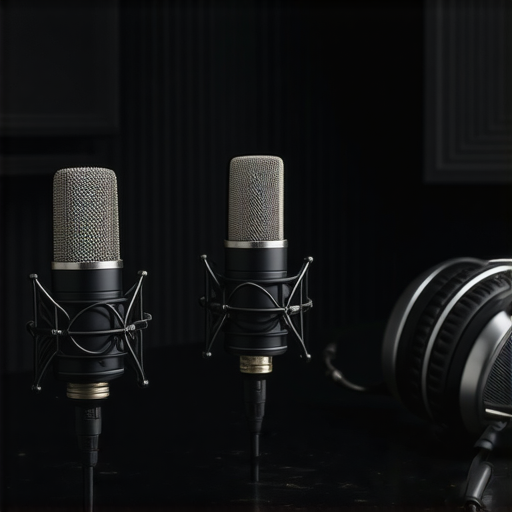
Have you ever sat down in front of your microphone, eager to record your latest episode or livestream, only to be met with dull, muffled audio? I’ve been there. I remember thinking that just plugging in any microphone would do the trick. Spoiler alert: it doesn’t. That lightbulb moment hit me hard when I realized my sound quality was holding back my content and frustrating my listeners. It was a classic case of throwing money at gear without understanding what truly makes a microphone suitable for podcasting or streaming.
Why Your Microphone Choice Can Make or Break Your Content
In 2024, the quality of your audio matters more than ever. Listeners and viewers expect crystal-clear sound—no background noise, no distortion, just your voice shining through. According to a recent study by WARC, 78% of consumers cite sound quality as a key factor when choosing a podcast or stream. That’s a huge deal! But here’s the thing: choosing the right microphone isn’t just about picking the most expensive model or the one with the coolest specs. It’s about understanding what works best for your voice, your environment, and your budget.
When I started out, I made the mistake of buying a fancy XLR microphone without considering my space. The result? Echoes, background noise, and a lot of frustration. It wasn’t until I read the ultimate guide to top microphones that I realized there are specific models that shine for streaming and podcasting in 2024. Whether you’re a beginner or a seasoned pro, understanding your options can save you time, money, and embarrassment on camera or in your recordings.
So, today, I promise to walk you through the key considerations and reveal the best microphones for 2024—whether you prefer USB simplicity or the professional edge of XLR gear. Ready to elevate your audio game? Let’s dive in and find the perfect mic for your voice and setup.
Is All Microphone Hype Worth It or Just Noise?
I admit, I was skeptical at first. I thought, “Does it really matter if I spend $100 or $300 on a microphone?” Early on, I bought a popular, budget-friendly model that was highly recommended. The problem? It picked up every little sound—keyboard clicks, chair squeaks, even my dog barking in the background. I wasted money on gear that didn’t deliver what I needed. That’s a mistake I want to help you avoid by sharing what I’ve learned from my own experience and extensive research on the best options for 2024.
If you’ve ever faced the dilemma of choosing between a cheap mic that sounds okay or investing in one that truly elevates your audio quality, you’re not alone. Let’s cut through the noise and get to the core of what makes a microphone worth your investment—so you can produce content that sounds professional and engages your audience from start to finish.
Choose the Right Microphone for Your Environment
Start by assessing your space. Is it a quiet room or a noisy, echo-prone area? If you’re in a home office with hard surfaces, a dynamic microphone can help reduce background noise because it captures sound primarily from close sources, much like a focused camera lens that zooms in on your voice instead of the clutter behind you. Conversely, if you have a dedicated sound-treated room, a condenser microphone might deliver richer, more detailed audio, akin to a high-end camera capturing every nuance of a scene.
Test Different Microphone Types and Setups
Don’t just rely on reviews or brand hype. Take the time to test a few options. When I first tested both USB and XLR mics, I recorded short clips with each in my actual recording space. I noticed that my budget USB mic captured a lot of ambient noise, making the audio sound muddy. Switching to a mid-range XLR setup with a pop filter and proper placement drastically improved clarity. This hands-on approach saved me from investing in gear that wouldn’t suit my environment and kept me focused on what actually matters—how the mic performs in your real-world setting.
Prioritize Your Voice and Content Style
Not all mics sound the same on every voice. If you have a deep, booming voice, a super-cardioid dynamic mic like the best XLR microphones for professional podcasts in 2024 can tame excessive bass. For a brighter, more energetic delivery, a condenser might add clarity. I once switched from a generic USB mic to a dedicated broadcast condenser, and the difference was night and day, making my voice sound more natural and engaging, similar to switching from a basic webcam to a DSLR for video—an upgrade that pays off in quality.
Optimize Your Microphone Placement
Placement is crucial. Position your mic about 6-12 inches from your mouth, slightly off to the side to avoid plosive sounds. I learned this the hard way when my first recordings had a lot of popping and sibilance, sounding harsh and distracting. Using a pop filter and adjusting the angle of the mic smoothed out these issues, much like adjusting the focus on a camera lens for sharpness. Experiment with distance and angle until your voice sounds natural and clear.
Use Proper Acoustic Treatment and Accessories
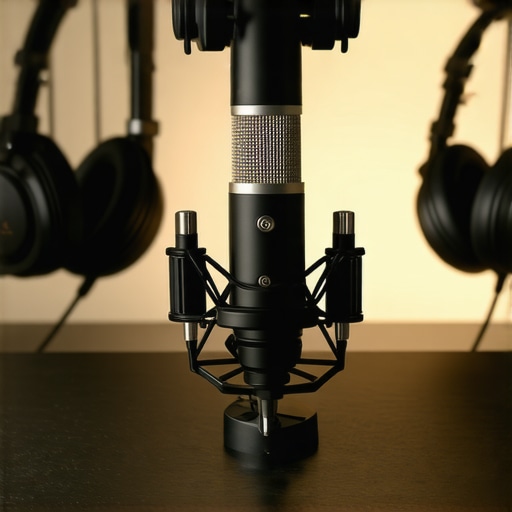
Invest in basic acoustic panels or foam to reduce echoes, especially if you’re in a room with hard surfaces. I added some foam panels around my setup, which made a noticeable difference. Additionally, a quality shock mount and a sturdy mic stand help prevent handling noise and keep your recordings steady. All these small details come together to create a professional sound that keeps listeners engaged—think of it as lighting and framing in video production, but for your audio.
Leverage the Right Equipment for Growth
Once you get comfortable, consider upgrading to a higher-quality mic if your content demands it. For aspiring professionals, models like the top microphone types for streaming in 2024 offer excellent value and future-proofing. Remember, gear alone won’t make you better—your voice, content, and consistency are the real game changers. But with the right microphone, you set a solid foundation for growth and professionalism.
Many podcasters and streamers fall into the trap of believing oversimplified or outdated advice about microphones, which can seriously hinder their audio quality. Let’s dig deeper into some misconceptions that still persist and how to avoid them to elevate your setup in 2024.
Why More Expensive Means Better—Or Does It?
It’s a common belief that spending top dollar guarantees professional sound. While high-end microphones like those listed in top-microphone-types-for-voice-recording can offer superior quality, they aren’t always the best choice for everyone. Your environment, voice, and content style significantly influence what gear will work best. For instance, a costly condenser might pick up too much room noise if your space isn’t sound-treated, leading to a muddy sound rather than clarity.
In fact, many budget-friendly mics, like some USB models, perform remarkably well when paired with proper placement and acoustic treatment. The key is understanding your specific needs and matching your gear accordingly, rather than relying solely on price tags.
The Hidden Trap of Over-Processing
Another misconception is that a microphone alone can fix poor audio. Many believe that investing in a $300 mic will instantly make their voice sound professional without considering other factors like room acoustics, mic placement, and post-processing. This is a trap because even the best mic needs the right environment and technique to shine.
For example, using a pop filter or acoustic panels can dramatically improve clarity, and proper editing can remove background noise that the mic picks up. Think of your microphone as a tool—its potential is unlocked only when combined with good habits and a suitable environment.
Advanced Question: How Do Microphone Polar Patterns Affect Your Sound?
For the more experienced, understanding microphone polar patterns can be a game-changer. Many overlook how choosing the right pattern—such as cardioid, super-cardioid, or omnidirectional—impacts your recording. For instance, a cardioid pattern captures your voice while rejecting side noise, making it ideal for streaming in noisy rooms. Conversely, an omnidirectional mic picks up sound equally from all directions, suitable for group recordings but prone to ambient noise.
According to experts, selecting the correct polar pattern ensures you get maximum clarity and minimizes unwanted background sounds—saving you from costly post-production fixes or frustrating re-records.
Have you ever fallen into this trap? Let me know in the comments. Remember, the right knowledge about what most people get wrong can save you a lot of time, money, and headaches on your audio journey.
How do I keep my microphone equipment performing its best over time?
Maintaining your podcast setup isn’t just about avoiding breakdowns; it’s about ensuring consistent, high-quality audio year after year. One of my go-to tools for this is the DeoxIT contact cleaner. I use it regularly on XLR connectors and switches to prevent corrosion and ensure flawless signal flow. This tiny investment extends the life of my gear and prevents subtle noise issues that can creep in over time.
Another crucial aspect is cable management. I swear by using Velcro straps and cable clips to keep everything tidy. Loops and tangles not only increase wear but can also cause intermittent connections. Proper cable care minimizes the risk of crackling sounds or complete disconnections during recordings.
For ongoing software health, I employ audio interface driver updates. Regularly updating these drivers ensures compatibility with new OS releases and patches bugs that could degrade your sound quality. Plus, I keep my digital audio workstation (DAW) software up-to-date to benefit from the latest features and stability improvements.
Protecting your microphone from environmental damage is equally vital. I place my gear in a dust-free, climate-controlled environment and use a dedicated mic stand with a shock mount. This setup minimizes physical shocks and vibrations, which can cause long-term wear or even internal damage over time.
Looking ahead, I predict that smart maintenance tools will become more prevalent. Devices that monitor connection quality or mic component health could alert you to issues before they affect your recordings. Investing in such future-proof solutions now can save you headaches down the line.
If you want to take your maintenance routine to the next level, I recommend trying a regular cleaning schedule combined with using professional cleaning kits designed for microphones. This small effort keeps your gear sounding pristine and extends its service life. Remember, a well-maintained microphone isn’t just a luxury; it’s a core part of your long-term content strategy. So, set reminders, stay consistent, and keep that audio crisp for every episode to come.
Choosing the right microphone can transform your podcast or livestream from amateur to professional. I’ve learned this lesson the hard way, and now I want to share some insider wisdom that can save you time, money, and frustration. In 2024, your audio quality isn’t just a detail—it’s the core of engaging content that keeps your audience coming back for more.
What I Wish I Knew When Starting Out
- Don’t underestimate room acoustics: I initially invested in a high-end XLR mic without considering my echo-prone space. The result? Muddy audio that no amount of fancy gear could fix. Proper acoustic treatment and a focus on environment often trump the gear itself.
- Microphone polar patterns matter more than you think: Choosing between cardioid and omnidirectional microphones can make or break your sound clarity, especially if you record in noisy environments. Learning how polar patterns work was a game-changer for me.
- Proper placement is everything: Even the best mic won’t sound good if it’s not positioned correctly. About 6-12 inches from your mouth, slightly off to the side, with a pop filter, makes a huge difference.
- Invest in maintenance: Regular cleaning, cable management, and protecting your gear from environmental damage prolongs your microphone’s lifespan and keeps your audio crisp.
Tools and Resources That Seriously Help
- Ultimate guide to top microphones: An invaluable resource for comparing models suited for your environment and budget.
- Best USB and XLR microphones for 2024: My go-to list for reliable gear recommendations.
- Top gear guide: For understanding what features truly matter at different budget levels.
- Streaming microphone reviews: To help you find that perfect match for your voice and setup.
Your Next Step in Podcasting Success
Remember, investing in the right microphone is just the beginning. Your voice, content, and consistency are what truly build your audience. But with the proper gear and knowledge, you set a solid foundation for growth. Don’t be afraid to experiment with different setups and learn as you go. The future of podcasting in 2024 is bright, and your voice deserves to be heard clearly and confidently.