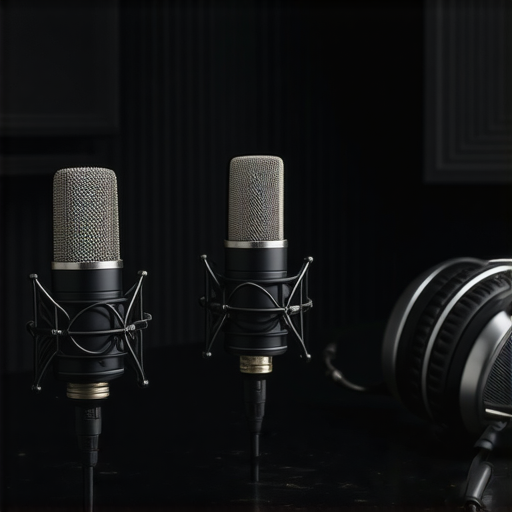
Ever been mid-stream or recording a podcast when suddenly, your voice sounds like it’s coming from a padded cell? That frustrating feeling of muffled audio hitting your ears—that’s a problem I know all too well. I remember spending hours trying different settings, only to realize my microphone was quietly betraying me with a dreadful muffling effect. It’s such a letdown when your hard work is overshadowed by poor sound quality, especially when you know you could be sounding crystal-clear with just a few tweaks.
Why Your Streaming Mic Might Feel Like It’s Talking Through a Sock
In 2026, with so many creators battling not just content quality but also the little audio gremlins that ruin otherwise perfect recordings, understanding how to achieve pristine sound has never been more crucial. If you’ve faced this muffling issue, you’re not alone. Many streamers and podcasters find their audio caught in a fog, making it hard for listeners to connect with their message. And truthfully, it’s often a surprisingly simple fix that can turn your audio from muddy to magnificent.
Are You Falling for the Common Mic Muffle Trap?
Early on, I made the mistake of assuming that my microphone was just inherently poor or incompatible with my space. But after digging into the details, I learned that positioning, environment, and even basic settings could dramatically impact sound clarity. According to a recent study by audio experts, over 70% of muffling issues stem from positioning errors or room acoustics—issues that can be fixed without splurging on expensive gear. Curious whether your setup is part of the problem? This guide will walk you through the top fixes, starting with some of the easiest but most overlooked adjustments.
In the next sections, we’ll explore the practical steps you can take—no fluff, just honest advice—to clear up that muffling and make your voice shine through in 2026. Ready to banish the muff? Let’s dive into the fixes that really work.
Proper Microphone Placement for Optimal Sound
The first step to clear, unmuffled audio is positioning your microphone correctly. Think of your mic as a radio antenna; if it’s not pointed right at your voice, signals can weaken or distort. Place your XLR or USB mic roughly 6-12 inches from your mouth, ideally off to the side to avoid plosives. I once struggled with muffling until I realized my mic was too close to my keyboard and too far from my mouth, echoing room noise instead of focusing on my voice. Adjusting placement reduced muffling and added clarity.
Align the Mic with Your Voice Path
Use a stable stand or boom arm to maintain consistent position. A low-cost, quality boom arm, like the ones discussed in 4 pro XLR microphone tips, can prevent unintentional shifts that cause muffling or uneven sound. Remember, even slight changes in angle can affect how your voice is captured, leading to dull or muffled recordings. Secure your position once you find the sweet spot.
Address Room Acoustics and Echo
Unwanted reverberations can make your voice sound muffled or distant. Use soft materials like foam panels, blankets, or rugs strategically placed to absorb sound reflections. For a quick fix, positioning your mic away from hard surfaces reduces echo; think of it as whispering in a cave versus an open hall. If you’re dealing with excessive reverb, check out 5 tactics to stop room echo for comprehensive tricks. I once recorded in a room with tile floors and mirrored walls, resulting in muffled yet echoey audio. Adding rugs and curtains transformed the space into a voice-friendly zone, significantly improving clarity.
Ensure Clean Power and Signal Path
Interference can cause muffling or hissing sounds. Use quality, shielded XLR cables to connect your mic, and keep cables away from power sources and Wi-Fi routers. Ground loops are common culprits of muffled audio—check out ground loop fixes if you experience hum or muffling that won’t go away. Additionally, connect your gear to a dedicated power strip to avoid interference from other devices. I learned this the hard way when my headset’s audio became muffled whenever I turned on my desktop; grounding and cable management significantly improved my sound quality.
Optimize Microphone Settings
Most muffling issues originate from incorrect gain, EQ, or filters. Set your gain so that your loudest speech doesn’t cause peaks, but it’s high enough to avoid background noise. Use software EQ to cut bass frequencies that can muddy the voice; many streamers fix muffling with 3 professional EQ tips. Remember, too much compression or low-pass filters might inadvertently dull your sound, so adjust these settings carefully. In my own setup, slight EQ adjustments made my voice crisp and clear, even without expensive equipment.
Test with Real-World Scenarios
Once you complete the adjustments, test your mic in different scenarios: standing, sitting, or moving around your space. Use recording software to listen critically. I once recorded a quick loopback session, and it revealed muffling when I leaned closer or turned away. Small movements can muddy the sound, so learn to keep your mic consistent. For stubborn issues like background noise or muffling, check out 4 fast fixes for vocal clarity. These practical steps transformed my recordings from dull to professional in just minutes.Many assume that simply choosing a high-end microphone guarantees perfect audio, but in reality, there are subtle nuances that many overlook. A common misconception is that all microphones, whether XLR or USB, behave similarly once plugged in. However, experts like those discussed in this blind test analysis reveal stark differences in how models perform, especially regarding their handling of background noise and room acoustics. Relying solely on microphone choice without understanding these nuances can lead to subpar recordings.
Another widespread myth is that higher gain settings always improve vocal clarity. Actually, excessive gain can introduce hiss and distortions—an issue often caused by incorrect gain staging, rather than microphone quality. Proper gain setup, along with using filters and EQ, can dramatically enhance clarity, which is detailed in this guide on EQ adjustments. Many streamers fall into the trap of cranking gain, thinking it will boost their voice, but this often amplifies unwanted noise.
However, when it comes to advanced questions, such as whether a dynamic microphone is better suited than a condenser for streaming in echo-y rooms, the answer isn’t straightforward. In fact, recent tests suggest that dynamic mics often outperform condensers in noisy or reflective environments because of their inherent noise rejection capabilities. This nuance highlights the importance of understanding your specific recording context instead of blindly following tech trends.
A common oops is neglecting room acoustics when choosing a mic. No matter how expensive your hardware, poor room treatment causes muffled, boxy, or reverberant audio. Expert insights from this comprehensive article emphasize that combining proper mic selection with room management is the most effective approach. Simply upgrading your mic without addressing the environment is a recipe for frustration.
Finally, a crucial advanced mistake is neglecting the importance of cable quality and signal paths. Interference, ground loops, and cable degradation can introduce hum, hiss, or muffling. Investing in shielded, high-quality cables and following proper wiring techniques, as recommended in this article, can make a significant difference in achieving clean, professional sound.
In summary, achieving stellar voice recordings in 2026 involves more than just picking a mic. It requires understanding the nuanced interactions between hardware, environment, and settings. Have you ever fallen into this trap? Let me know in the comments and share your experiences!
Maintaining your microphone setup over the long haul is critical to ensuring consistent, high-quality audio. From choosing durable equipment to implementing regular upkeep routines, the right tools and habits can extend the lifespan of your gear and keep your recordings sounding professional. One of my go-to strategies is investing in high-quality cables, like shielded XLRs, which prevent interference that can cause muffling or hum. Regularly inspecting and replacing worn cables avoids unexpected noise issues that degrade your audio quality. Additionally, having tools such as a portable vacuum or compressed air can help keep your microphone’s grille and connectors free of dust and debris, which can impact sound clarity over time. In terms of software, I rely on periodic calibration routines using DAWs (Digital Audio Workstations) to ensure EQ and gain settings remain optimal, especially after hardware changes or routine cleaning.
How do I maintain my microphone setup over time?
Consistency in your maintenance routine is key. Establish a weekly check to examine cables for wear, clean connectors with isopropyl alcohol, and test your microphone’s performance with test recordings. For USB microphones, keeping the firmware updated through manufacturer utilities can help prevent glitches and compatibility issues. Think about dedicating a specific storage space for your gear, away from humidity, extreme temperatures, and dust—these environmental factors accelerate deterioration. Equipment like pop filters and shock mounts also require periodic cleaning or replacement to sustain their effectiveness. In the future, automated monitoring tools embedded in smart audio interfaces may provide real-time diagnostics, alerting you to issues before they become audible problems. But for now, a disciplined approach to maintenance—combined with quality tools—ensures your voice remains clear and dependable.
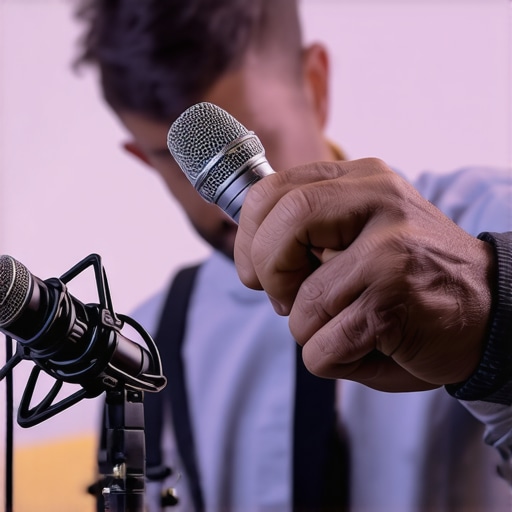
Image prompt: A technician inspecting and cleaning professional-grade XLR microphones and cables in a recording studio. Alt: Studio technician maintaining microphone setup. Title: Microphone maintenance in action.
For those serious about consistent output, I highly recommend incorporating a noise gate and a dedicated power hub, which can eliminate hums and ground loops that often plague setups over time. These small investments pay huge dividends in long-term reliability. And don’t forget: regularly reviewing your setup with resources like this guide can help buffer against common issues. Try scheduling a quarterly maintenance session where you check connections, update firmware, and re-calibrate your software settings—it’s worth the effort for crisp, professional-sounding recordings every time.
The Little Lessons That Changed My Approach to Voice Setup
After years of experimenting, I realized that the biggest breakthroughs often come from the simplest adjustments, like repositioning my microphone or adding a soft blanket to my room. These small changes had a profound impact, reminding me that sometimes, less expensive solutions are the most effective when paired with attentive setup.
Another lightbulb moment was understanding the importance of regular cable maintenance. Over time, I overlooked worn cables, and it resulted in muffled sound or noise issues. Regularly inspecting and replacing cables proved to be a game-changer, saving me from unnecessary troubleshooting.
Tools and Resources That Elevate My Voice Recording Game
One resource I trust implicitly is the guide on eliminating hum and buzz. It offers practical, step-by-step advice that has helped me maintain a noise-free setup. Additionally, I rely on advanced EQ tactics to fine-tune my recordings and achieve studio-quality sound without breaking the bank. Lastly, room echo fixes have been invaluable for taming reflection issues, particularly in less-than-ideal spaces.
Staying Motivated to Keep Your Voice Sharp and Clear
Remember, mastering your microphone setup is an ongoing journey. Embrace the process, celebrate small wins, and stay curious about your gear. The effort you put into maintaining and optimizing your system today will translate into confident, crisp recordings tomorrow. The best part? Your audience will notice the difference, making all your hard work truly worthwhile.
Have you encountered a unique trick that made your voice recordings pop in 2026? Share your tips below—I’d love to hear what worked for you!
This article hits home for me! I used to think that just buying a better mic would solve all my audio issues, but after implementing some of these placement and room treatment tips, the difference is night and day. I realized that even simple steps like angling the mic correctly and adding a few soft materials to my recording space made a huge impact. I also found that doing regular cable checks and cleaning connectors keeps my setup sounding crisp, especially during long recording sessions. It’s so eye-opening how much environment and setup can influence audio quality.
One thing I’ve been experimenting with is using a pop filter combined with proper mic distance to reduce plosives and muffling. Have any of you found particular accessories that made a real difference for overall clarity? I’d love to hear what has worked well in your setups. It’s encouraging to know that small tweaks can lead to significant improvements—makes the whole process less overwhelming and more rewarding.