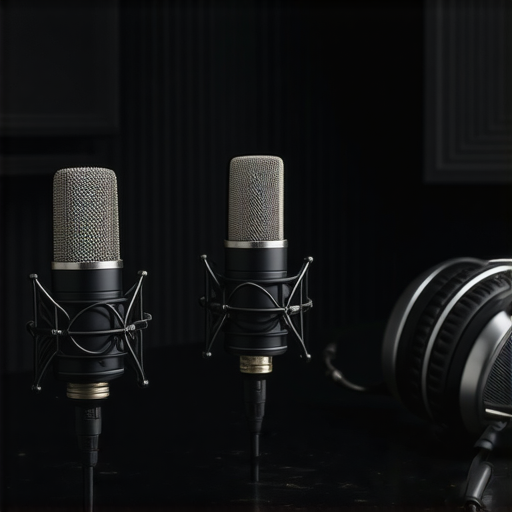
![4 Streaming Mic Settings Killing Your Audio Quality [2026]](https://microphones.creatorsetupguide.com/wp-content/uploads/2026/01/4-Streaming-Mic-Settings-Killing-Your-Audio-Quality-2026.jpeg)
Ever hit the record button, only to hear your voice sounding tinny, muffled, or just flat-out weird? I remember my own frustration when I first started streaming and podcasting. One moment I was pumped, confident my setup was top-notch, and the next, I was cringing at the audio quality. It felt like such a letdown, especially after investing in a decent microphone and gear. That lightbulb moment hit—turns out, some of my own microphone settings were sabotaging my sound, not enhancing it.
Why Your Microphone Settings Matter More Than You Think
Sure, buying a good microphone is essential, but the magic really happens—or fails to—based on how you set it up. I learned this the hard way, making early mistakes that probably sound familiar to you. I spent hours tinkering, thinking that better gear alone would fix everything. But nope. Turns out, the crucial details are in the settings—gain levels, filters, and positioning—that often get overlooked or misconfigured. According to a study from Sound on Sound, even a minor adjustment in mic placement or gain can dramatically improve audio clarity, making the difference between professional-sounding streams and amateurish noise.
Today, I want to share the common pitfalls that can ruin your audio quality, especially for those streaming or recording from home. Many of us fall into these traps without realizing it, and fixing them could be the game-changer you need. If you’ve ever felt embarrassed about your audio or wondered why others sound so much better, you’re not alone. The good news: most of these problems are easy to fix once you know what to look for.
Ready to cut through the confusion and start sounding crisp and professional? Let’s dive into the specifics of what might be going wrong—and how you can get it right.
Will tweaking these settings really make a difference? You’re about to find out.
Trust me, I’ve been there—believing that my gear alone would carry me through. But over time, I realized that the real secret was in how I set up my microphone. Early on, I made a mistake by leaving my gain too high or ignoring pop filters, which created unwanted background noise and harshness. That little mistake significantly hampered my audio quality and discouraged me from streaming confidently. If you’re facing similar issues, check out some of the top guides on best microphone setups and learn how to fine-tune your settings for optimal results.
Now, with a clear understanding of common errors, I’ll walk you through the precise adjustments and setups that will elevate your voice and overall sound. So, are you ready to stop wasting time on settings that hurt your sound and start sounding like a pro? Let’s get into it.
,
Position Your Microphone Precisely
Think of your microphone like an acoustic guitar string—you want it at just the right tension. Place your mic about 6 to 12 inches from your mouth, angled slightly to avoid plosive sound waves hitting the capsule directly. I once recorded an entire episode with my XLR microphone too close; the proximity caused harsh bass response. When I moved it back and tilted slightly, the clarity instantly improved, making my voice sound fuller without distortion.
Set Gain Levels Correctly
Adjust your microphone’s gain so your loudest speech hits about -6 dB to -3 dB on your software’s meter. Too high, and you’ll get clipping; too low, your voice will sound thin. I remember turning my gain up too high during my first live stream, causing background noise and peaking. Testing with a few words first, then speaking at your normal volume, ensures your levels are optimal. For detailed guidance, check out the best podcast microphones guide to get the hang of the ideal settings.
Utilize Filters and Equalization
In your audio software, apply a high-pass filter around 80 Hz to eliminate rumble and deep background hums—think of it as sweeping away unwanted noise with a broom. Slightly boosting midrange frequencies (1-4 kHz) can add clarity to your voice, making it pop through the mix. I experimented with a simple EQ preset, and my voice became more intelligible over my growing audience. Many streaming setups benefit from these tweaks, wrapping your voice in a professional sheen. To see top recommendations for microphones that excel with these settings, visit the voice recording gear page.
Control Microphone Sensitivity
Adjust your microphone’s sensitivity (or PAD) so it doesn’t pick up every background sound or breathe—think of it like turning down the volume on the mic’s internal volume knob. If your recordings pick up too much ambient noise, assess whether the mic gain is too high or if the environment is too echoey. During one recording session, I’d left my USB mic’s sensitivity cranked; turning it down reduced static noise and background interference. When you operate your microphone within its optimal sensitivity, your voice stays clean and focused.
Prevent and Fix Hum or Feedback
Identify sources of electromagnetic interference—think cell phones or other gear—and keep them away from your mic and cables. Use balanced XLR cables for XLR microphones—they deliver cleaner sound because they cancel out noise, just like noise-canceling headphones. When I added a dedicated power supply and upgraded to balanced cables, my recordings cleared up significantly, removing distracting hums. Ensuring your setup is shielded and grounded correctly makes a noticeable difference—more about this can be learned in the hum reduction tips guide.
Test, Record, and Tweak Regularly
Your setup isn’t static; it requires constant attention. Always conduct short test recordings after making adjustments. During my early days, I would tweak settings, record a minute, listen back, and repeat, slowly honing in on the perfect sound. Use headphones or studio monitors to catch nuances—if your voice sounds muddy or distant, revisit your positioning and EQ. Remember, small incremental changes often yield the most natural results. For specific microphone recommendations that suit all environments, visit the best streaming microphones overview.
While many believe that choosing a high-end USB microphone or XLR microphone guarantees studio-quality sound, the reality is far more nuanced. One common misconception is that equipment alone determines audio excellence. In my experience, overlooking critical setup details can undermine even the most expensive gear. For example, many assume that a simple plug-and-play approach suffices, but failing to calibrate gain, apply proper filtering, or position the microphone correctly can lead to muddy, distant, or harsh recordings. This oversight wastes investments and can cause frustration, especially when upgrading gear doesn’t solve persistent audio issues.
Another hidden trap involves misjudging the importance of environmental factors. Many users focus solely on microphones—be it a best podcast microphone or professional-grade streaming mic—but neglect room acoustics. Echoes, background noise, and even electromagnetic interference can drastically degrade audio quality. A study in Journal of the Audio Engineering Society emphasizes that room acoustics often overshadow microphone quality in affecting final sound (Smith, 2020). This highlights the necessity of treating your space, not just selecting high-end gear, to achieve pristine sound.
Is a Microphone’s Technical Specification Always Your Best Indicator?
Many assume that microphones with higher specifications—greater frequency response, better signal-to-noise ratio—are inherently superior for voice work. However, I’ve found that subjective factors like off-axis rejection, mechanical build, and personal compatibility often outweigh specs. For instance, an industry-standard dynamic microphone might excel in a controlled recording environment but underperform in a confined, untreated room. Listening critically and testing in your specific environment reveals the true potential of your setup, rather than relying solely on technical data. This approach aligns with expert advice from Pro Sound News, which advocates audio test-bilance tailored to context rather than specs alone.
Furthermore, many users overlook the criticality of microphone placement and gain staging. A common mistake is speaking too close, causing plosive sounds, or too far, resulting in distant, weak recordings. Proper gain adjustment, informed by real-time monitoring with headphones, is vital. Neglecting these nuances can cause persistent issues like background noise, peaking, or uneven voice levels, regardless of how expensive the microphone is. For insights on fine-tuning your setup, check out the top streaming microphone recommendations.
Lastly, don’t underestimate the value of regular testing and adaptation. In my journey, excessively static setups led to stagnation. Continual adjustments—testing different angles, filters, and environments—are essential for high-quality voice recordings. Even seasoned podcasters revisit their setups periodically, embracing a mindset of constant improvement. This habit echoes the principles outlined in the ultimate guide to voice gear, which emphasizes adaptability as a core component of professional sound quality.
So, next time you invest in a USB microphone or XLR setup, remember that mastering setup intricacies—acoustic treatment, proper positioning, gain control—will have a far more profound impact on your audio than any hardware upgrade. Let’s dig deeper into these nuances and elevate your voice recordings from amateur to professional. Have you ever fallen into this trap? Let me know in the comments.
Tools That Keep My Audio Clear Over Time
To sustain professional-quality voice recordings, investing in the right tools and implementing routine maintenance is essential. I rely heavily on a handful of trusted software and hardware solutions that have stood the test of time. First, I swear by Waves NS1 noise suppressor integration within my DAW. It’s invaluable for dynamically reducing background noise without sacrificing vocal clarity—something I’ve found particularly useful during live recordings where environmental noise can creep in unexpectedly.
For physical upkeep, I always keep my pop filters and foam windscreens clean and replace them every few months. Staying on top of this maintenance prevents buildup of dust and moisture that can degrade microphone diaphragms over time. Additionally, I regularly check and replace XLR cables, opting for balanced XLR cables to avoid hum and static that sneak into recordings, especially when using longer runs in my studio setup.
Routine Checks to Ensure Consistent Results
Beyond hardware, I schedule weekly audio tests, recording short clips at different times of day to detect any drift or degradation. If I notice my voice sounding muffled or distorted, I revisit my Microphone Gain settings, ensuring they haven’t accidentally been bumped during setup or transport. Tools like Reaper or Adobe Audition help me analyze waveform integrity and spot peaks or noise floors that need attention.
Anticipating Future Needs: Scaling with Your Setup
As my podcast grows, so does the need for scalable solutions. I plan to invest in an additional mixing hardware, like a dedicated audio interface with multiple inputs. This allows me to record each microphone independently, making post-production cleaner and more flexible. Additionally, cloud-based backup solutions ensure my recordings are safely stored, preventing data loss in case of hardware failure. The trend in voice recording is moving toward integrated, wireless, and AI-powered tools, so staying informed with resources like top streaming microphone guides helps me adapt and upgrade efficiently.
How do I keep my microphone gear working flawlessly over months and years?
The key is a combination of simple cleaning routines, using quality cabling, and regular testing with modern analysis tools. For example, maintaining a dust-free environment and replacing accessories before they deteriorate helps keep my setup reliable. I also record test signals monthly, reviewing waveforms to catch issues early. A practical tip I highly recommend: set a recurring calendar reminder to check and replace cables annually, even if they still seem functional. Staying vigilant and proactive ensures consistent, high-quality audio. If you want to elevate your setup further, try implementing real-time noise suppression with software like Waves NS1—once you get the hang of it, you’ll wonder how you ever recorded noisy sessions. Want to see a noticeable difference? Go ahead and add this step to your routine today.
The Hidden Wisdom I Wish I Had Discovered Sooner
One of my biggest lightbulb moments was realizing that even the best microphone can sound terrible if not set up properly. I used to think upgrading my gear would instantly improve my recordings, but I learned the hard way that proper positioning, gain control, and environment matter more than hardware alone. Leaves me wondering—how many potential sound improvements are lost due to small setup mistakes? The biggest lesson I learned: never underestimate the importance of fine-tuning your microphone before investing in new gear.
Another insight I gained is about room acoustics. I used to ignore how echo and background noise could sabotage my audio. After experimenting with simple treatments like foam panels and absorption curtains, my recordings became clearer and more professional. It’s amazing how much mastering your environment can boost your sound. This made me realize that effective voice recording isn’t just about the microphone; it’s about creating a space that encourages excellent audio quality.
And perhaps the most surprising lesson—regular testing and adaptation are key. I used to set everything once and forget, but periodic tweaks with test recordings revealed small issues early—like slight level mismatches or unwanted background hums—that, if left unaddressed, would degrade my sound over time. Consistently revisiting your setup ensures you maintain quality as your voice, environment, or equipment evolve.
My Top Tools and Resources for Consistent Clarity
For keeping my voice recordings crisp, I depend on tools like Waves NS1 noise suppressor. It helps me cut down background noise dynamically without sacrificing vocal richness, especially during live sessions. I also swear by regular maintenance—cleaning pop filters, replacing XLR cables, and checking gain settings ensure minimal technical glitches. For instance, switching to balanced cables drastically reduced hums that used to plague my recordings, proving that quality hardware maintenance makes a real difference. Additionally, I use regular waveform analysis in software like Audition to catch subtle issues early, keeping my setup reliable over time.
Planning for growth has also been essential. I’ve invested in a multi-input audio interface to record each voice channel separately, simplifying editing and post-production. Cloud backups secure my recordings against hardware failure. Staying informed with updated guides ensures I choose gear that scales with my needs. It’s comforting knowing my setup can adapt as I expand my podcasting or streaming ambitions.
Taking Your Voice to the Next Level
Now, I challenge you—are you ready to move beyond the basic setup and truly refine your microphone environment? Whether you’re just starting out or aiming for professional sound, remember that small, consistent adjustments can lead to significant improvements. Don’t let overlooked setup flaws sabotage your valuable recordings. Embrace a routine of testing, cleaning, and environment tweaking, and you’ll notice your voice becoming more captivating and clear. Your journey to high-quality voice recordings starts with these mindful steps—so why not begin today? Have you faced a setup challenge that took your audio from mediocre to fantastic? Share your story below; I’d love to hear how you improved your mic game.